25 Ways to Create an Eclectic Living Room with Stunning Tropical Plants
are you ready to transform your living room into a vibrant oasis? Embracing a tropical theme infused with eclectic charm is a brilliant way to breathe life into your space.In this listicle, “,” we’ll guide you through a delightful array of innovative ideas designed to help you curate a unique surroundings that reflects your personality. From choosing the right plant species to incorporating stylish décor elements, each tip is aimed at harmonizing lush greenery with artistic flair. Whether you’re a seasoned plant enthusiast or just beginning your journey into the world of indoor gardening, you’ll discover practical insights and creative inspirations that will elevate your living area into a stunning retreat. Get ready to immerse yourself in the beauty of tropical plants and the joy of eclectic design!
Embrace a Varied Color Palette: Integrate vibrant tropical plants with diverse hues, choosing pots and decor that complement their lush greens
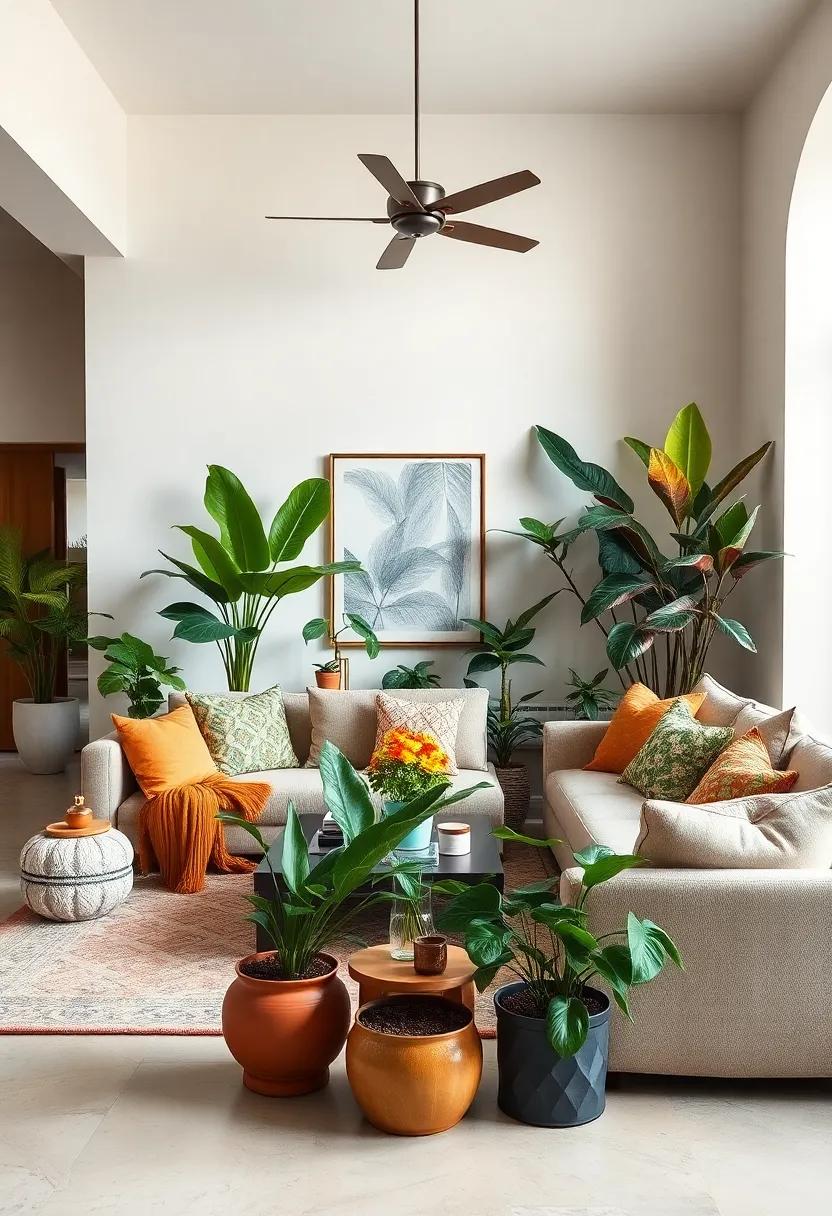
Infuse your living space with an eye-catching array of vibrant tropical plants to establish a lively, eclectic atmosphere. Choose plants with diverse foliage, ranging from deep green monstera leaves to the bright splashes of color from a bromeliad or a vibrant philodendron. When selecting pots, consider those that offer a contrasting or complementary hue, such as bold oranges, yellows, or striking blues. You can create a cohesive look by incorporating a variety of materials like ceramic, terracotta, or even metallic accents that can reflect light and add depth to your setup.
To further enhance the lively environment, pay attention to your decor accents that harmonize with the rich greens of your plants. Incorporate cushions, rugs, and wall art that feature similar colors, creating a layered look that’s visually appealing and inviting. Consider building a mini display by grouping plants of varying heights and shapes on a console table,while also sprinkling in decor items like bowls,candles,or unique sculptures that resonate with the tropical theme. This not only showcases the plants but also turns your living space into a vibrant celebration of nature.
Layer Textures: Combine plant leaves with different textures, such as smooth ceramics and woven textiles, to create a tactile experience
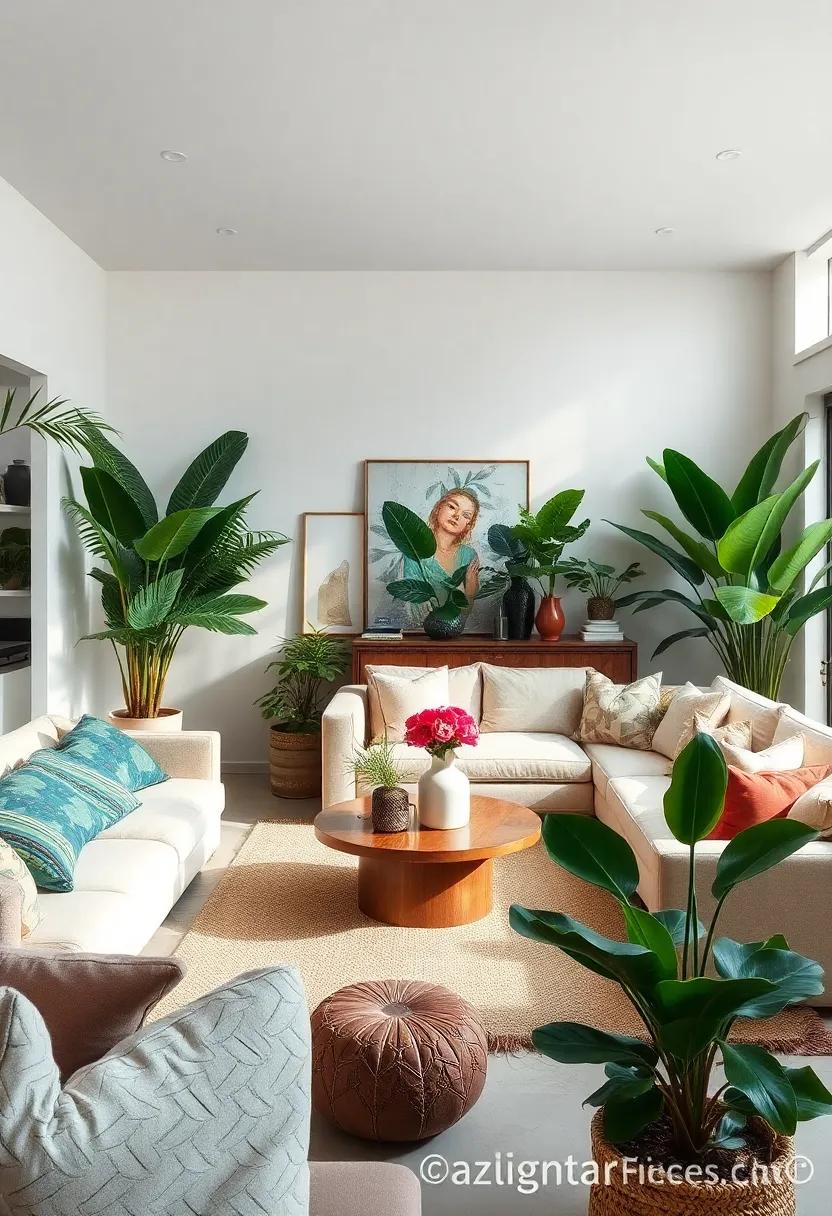
Incorporating tropical plants into your living room design provides an prospect to explore a variety of textures that can elevate your space. Think about mixing the lush, organic forms of plant leaves with smooth ceramics that have a polished finish. This could mean adorning a sleek white ceramic pot with a vibrant potted Monstera or a cascading pothos, creating a stunning contrast between the plant’s rich green hues and the pot’s crisp lines. You can also complement this setup with decorative elements like ceramic figures or bowls that introduce additional textures while maintaining a cohesive look.
Now, add another layer of depth by pairing these elements with woven textiles. Imagine a plush throw blanket draped over a nearby sofa or a handwoven basket serving as a contemporary planter for your snake plant. Combine these textiles with cushions that have different weaves and patterns, such as geometric prints or macramé designs, to enhance the tactile experience. This fusion of soft fabrics and slick ceramics creates a harmonious environment where each texture plays off the other, inviting not just sight, but touch into the aesthetic conversation of your eclectic living room.
Mix Plant Sizes: Balance larger potted plants like monstera or fiddle leaf figs with smaller varieties, such as succulents or air plants, for visual interest
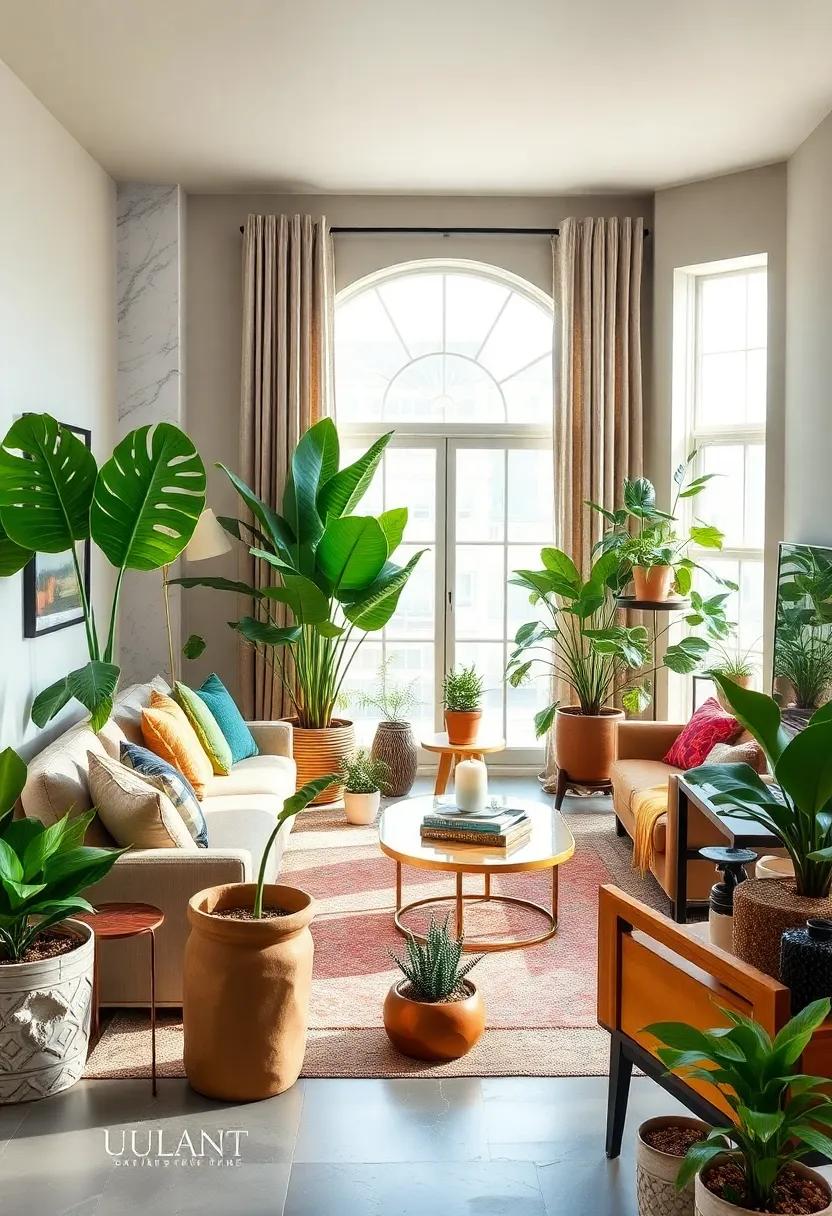
Creating a visually captivating living space can be achieved through the balance of different plant sizes. Integrating larger potted plants, like Monstera deliciosa or Fiddle Leaf Fig (Ficus lyrata), adds a dramatic focal point to your room, while smaller varieties like succulents, air plants, or Pothos can soften the edges and fill in empty spaces. Consider placing a tall monstera in one corner and grouping smaller pots of succulents on a nearby shelf or a coffee table. The contrast between the sprawling leaves of a fiddle leaf fig and the petite, tidy rosettes of succulents not only adds depth but also creates a sense of abundance and vitality.
To maximize visual interest, experiment with different heights and textures. Arrange your plants in layers, with larger pots at the back and smaller ones at the front, or hang air plants from the ceiling with decorative holders to draw the eye upwards. This not only introduces the element of surprise but also allows for a more dynamic plant display. Here are some ideas for types of plants based on size:
| Large Plants | Medium Plants | Small Plants |
|---|---|---|
| Monstera | Pothos | Succulent |
| Fiddle Leaf Fig | Rubber Plant | Air Plant |
| Bird of Paradise | Dracaena | Spider Plant |
Create a Plant Corner: Designate a specific area in the room for a cluster of plants, mixing heights and types for an eye-catching display
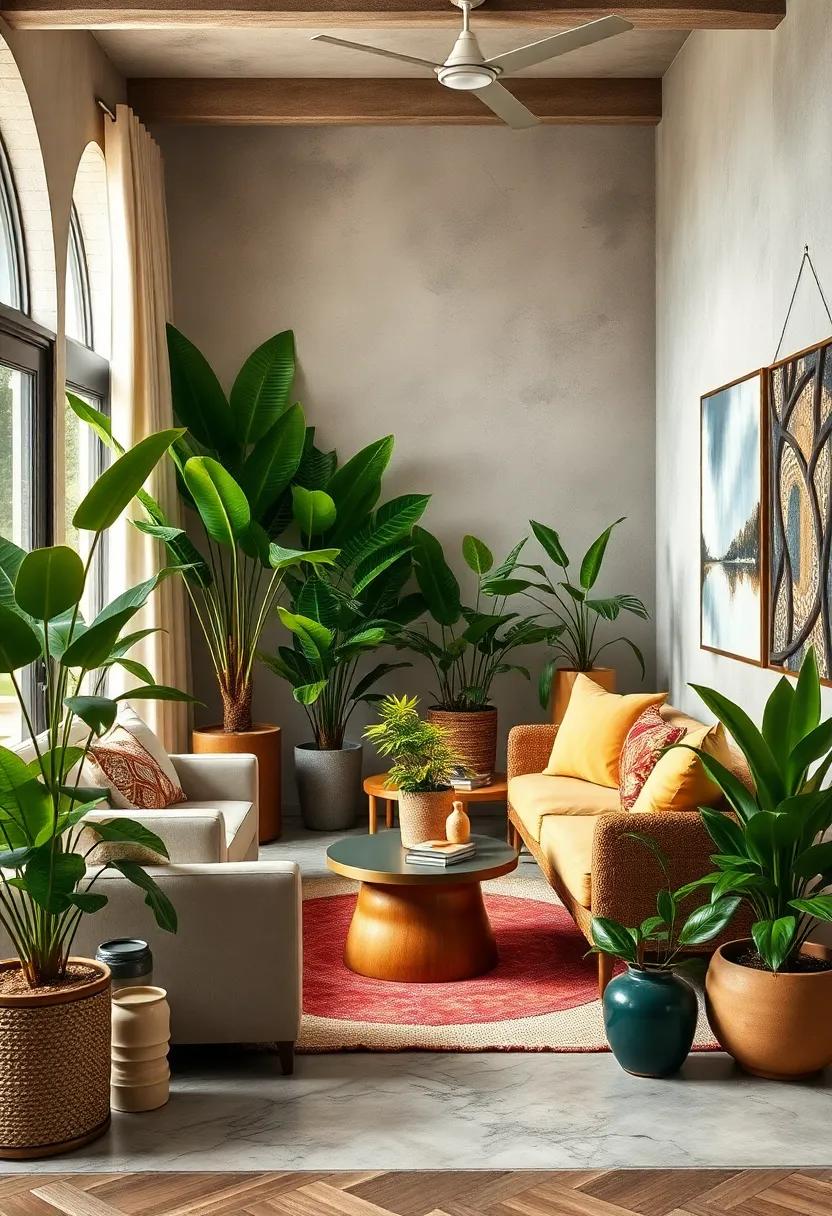
Transform a dull corner of your living room into a vibrant oasis by clustering an array of plants that complement each other in height, texture, and color. Begin by selecting a few larger specimens such as a fiddle leaf fig or monstera, which act as statement pieces. These tall plants create a visual anchor, drawing the eye upward and adding depth to the space. surround them with a mixture of medium-sized and small plants, like snake plants or ferns, to add variety and layers. Consider incorporating plants with varied leaf shapes and colors, such as the striking zebra plant or the soft, feathery leaves of a pothos, to create a dynamic display that keeps your corner feeling fresh and lively.
to enhance the effect, use pots of different heights and styles that echo your room’s overall aesthetic. Think about integrating materials such as ceramic, rattan, or even concrete to offer a tactile contrast that enriches your living space. Utilizing plant stands or hanging planters can also help you achieve varying elevations, preventing the area from feeling flat. Don’t shy away from adding decorative elements like stones or wooden figurines around the base of your plants to ground the display and create a cohesive look. In this carefully designed sanctuary, your plants will thrive and become a stunning focal point that revitalizes your living room.
Use unique Planters: Opt for quirky or artistic planters that express your personality, from colorful ceramics to vintage finds
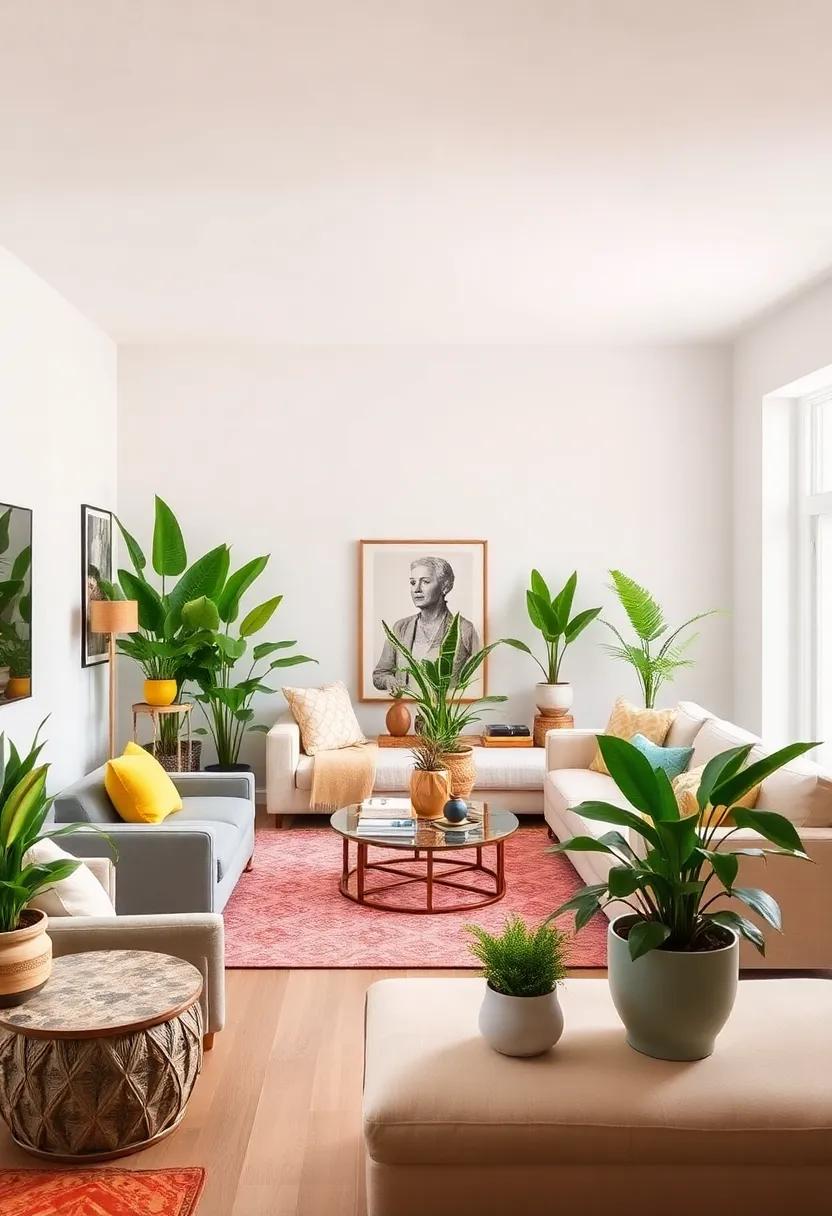
Infuse your living room with personality by selecting quirky planters that serve as both functional and decorative pieces. Explore a range of options that resonate with your style, from colorful ceramics to vintage finds. Each planter provides a unique backdrop for your tropical plants, transforming them into eye-catching focal points. Consider using fun shapes, such as animal figures or abstract designs, to add a playful touch to the greenery.You can also mix and match materials—think ceramic pots with metal accents or terracotta paired with vibrant paint to create an eclectic combination that stands out.
Don’t shy away from diving into local thrift stores or online marketplaces to find one-of-a-kind planters. Look for planters with interesting patterns, textures, or even a bit of wear and tear that tells a story. Incorporating a variety of sizes and styles will not only enhance the visual appeal but also maintain an inviting atmosphere. Here’s a speedy table to spark your creativity:
| Planter type | Style Inspiration | Materials |
|---|---|---|
| Animal-shaped | Whimsical | Ceramic |
| Hanging macramé | Bohemian | Cotton Rope |
| Vintage teacups | charming | Porcelain |
| concrete blocks | Minimalist | Concrete |
Hang Plants: Incorporate hanging planters filled with trailing vines like pothos or string of hearts to draw the eye upward and add dimension
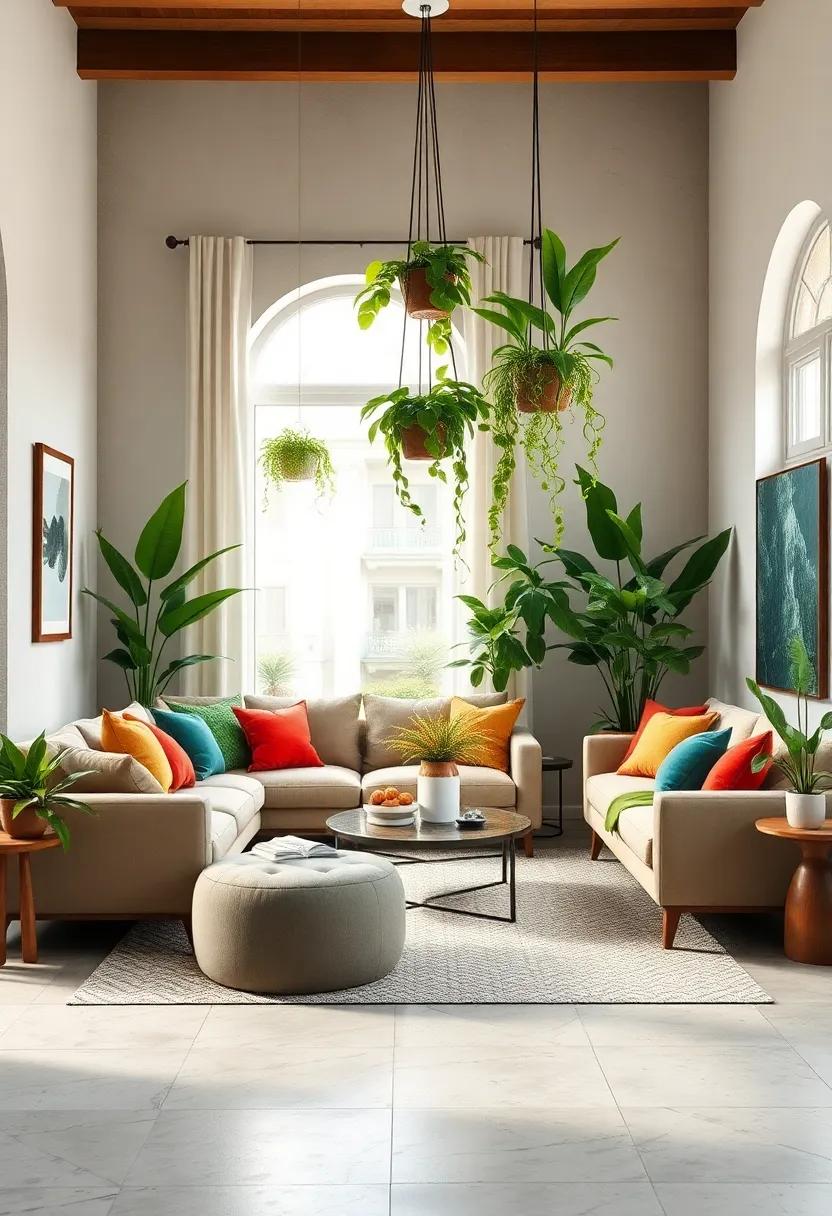
Elevate your living room’s aesthetic by embracing the beauty of hanging planters. Consider using trailing vines like pothos or string of hearts; these lush plants not only bring life to your space but also encourage the eye to wander upward, creating a more dynamic feel.Position these hanging planters near windows where they can soak in filtered sunlight, allowing their vibrant foliage to thrive. You can play with different heights to add depth and interest, using macramé hangers or sleek modern pots—each selection tells a story and enhances the unique vibe of your living room.
Hanging planters are also a perfect opportunity to mix and match styles. Incorporate a variety of textures and colors by pairing various trailing plants with uniquely crafted pots.Consider grouping your planters in a row or cluster for that eclectic touch.You might choose to create a small gallery wall effect with photos interspersed among your foliage or line a few planters along a tall bookshelf. Here’s a quick reference table for suggested plant combinations to inspire your design:
| Plant Type | Pot Style | Light Needs |
|---|---|---|
| Pothos | Macramé hangings | Indirect Sunlight |
| String of hearts | Geometric Ceramic | Bright Indirect Light |
| Trailing Jade | Rustic Wooden Box | Moderate Light |
| Spider Plant | Colored hanging Baskets | Bright Indirect Light |
Incorporate Natural Light: Position your plants near windows or light sources to highlight their vibrant colors while enhancing the room’s ambiance
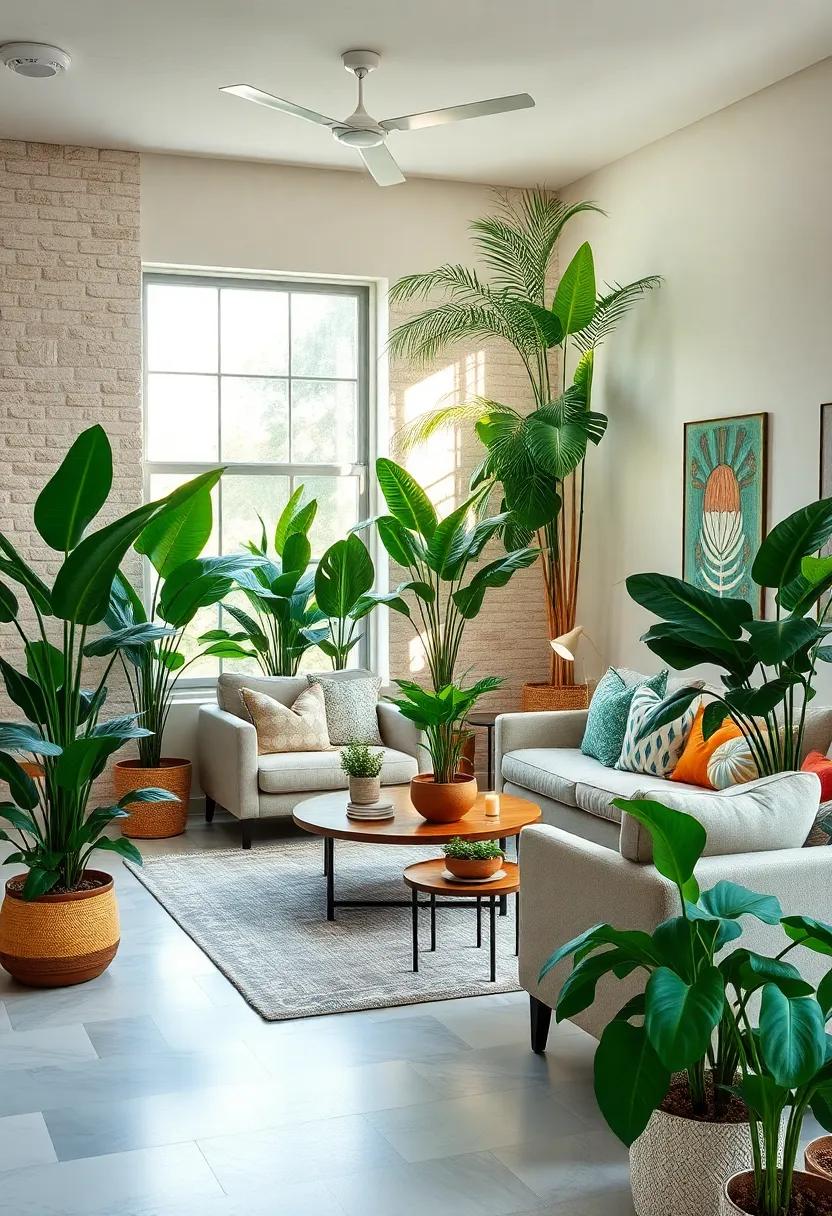
To truly showcase the beauty of your lush greenery,thoughtful placement of your plants is essential. Positioning them near windows or other light sources not only maximizes their exposure to natural light but also enhances the overall warmth and ambiance of your living space. Bright, invigorating sunlight can invigorate colors, making leaves glisten and flowers bloom vibrantly. Consider experimenting with different areas in the room to find the perfect spot that complements both your plants and the aesthetic of your eclectic living room.
Use a diverse mix of plant heights and sizes to create captivating layers in your decor. Place tall, statement plants like a Fiddle Leaf Fig or Bird of Paradise by natural light sources, while smaller ferns and succulents can bask in the rays closer to the window sill. Don’t forget to utilize sheer curtains to diffuse sunlight and create a gentle glow that enhances the room’s charm. Here’s a quick reference table to illustrate ideal plant types and their light preferences:
| Plant type | Light Preference | best Position |
|---|---|---|
| Fiddle Leaf Fig | Bright, indirect light | Near large windows |
| Snake Plant | Low to bright light | Filtered light areas |
| Pothos | Moderate light | On shelves or hanging |
| Peace Lily | Low to moderate light | Bright corners |
Emphasize Indoor-Outdoor Flow: Choose plants that blur the lines between inside and outside, like palm trees or bamboo, tying the indoor space to nature
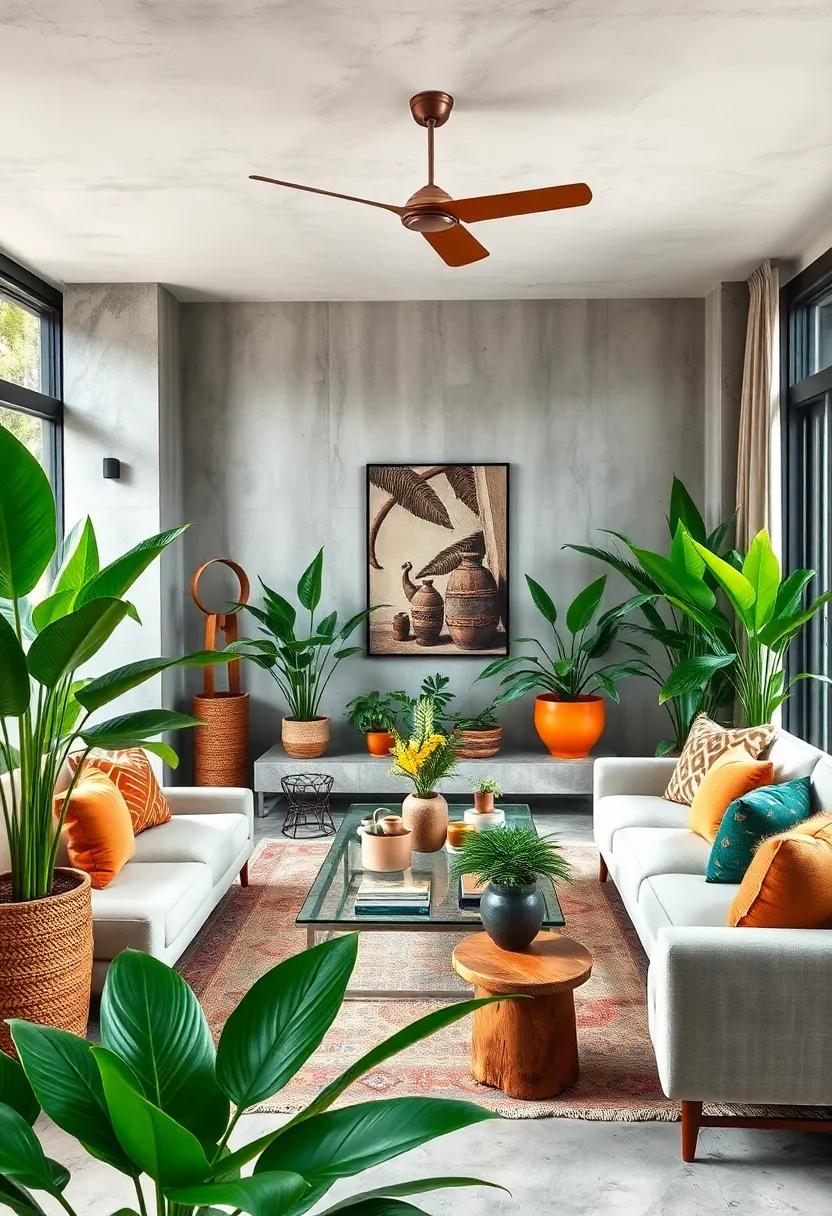
To create a seamless connection between your indoor space and the natural world outside,consider incorporating plants that embody the essence of tropical living. Specimens like palm trees and bamboo can transform your living space into a lush oasis. These plants not only grow tall but also create an uplifting ambiance, blurring the lines between your indoor haven and the vibrant energy of the outdoors. Picture a majestic palm next to a large window, its fronds waving gently in the breeze, inviting nature’s beauty right into your home.
Additionally, using vertical planters or hanging pots can enhance this indoor-outdoor flow, maximizing limited space while adding depth and interest. Incorporating plants with varying heights will create visual dynamics that mimic the natural landscape. A well-placed table with a mixture of small tropical plants and vines can draw the eye outward, allowing your living room to reflect the beauty of a garden. Here’s a quick reference table on perfect plants to achieve this effect:
| Plant Type | Ideal Location | Benefits |
|---|---|---|
| Palm Trees | Next to windows | Height and drama; air purification |
| Bamboo | Corner spaces | Elegance; vibrant energy |
| <strongMonstera | Coffee table | large leaves; tropical vibe |
| Philodendron | Hanging baskets | Trailing effect; easy care |
Create a Focal Point: Choose a particularly striking plant or a sculpture-like arrangement to serve as a conversation starter in the living room
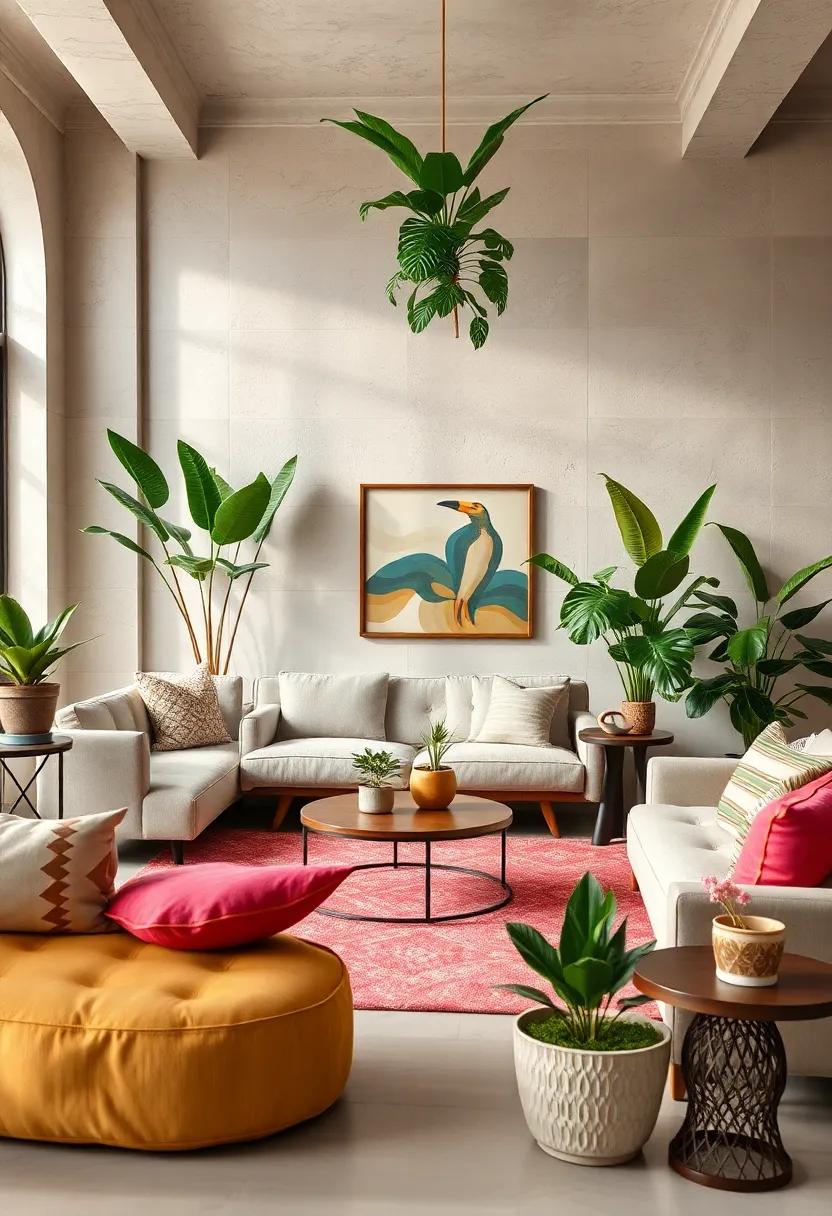
To create a living room that beckons conversation,consider the powerful statement a single,striking plant can make. Opt for a tropical specimen with bold leaves and unique textures—think Monstera Deliciosa or an artistic Dracaena Fragrans. Place it in a stand or pot that complements your overall decor while still accentuating its form. for added visual interest, consider an arrangement with varying heights using pedestals or hanging planters. Not only will these plants catch the eye, but they will also inspire your guests to marvel at their unique features, fostering a vibrant dialog about nature’s artistry.
Alternatively, a sculpture-like arrangement can serve the same purpose. Group together an assortment of smaller plants with varying shapes and colors, creating a miniature jungle that feels curated and intentional. Use pieces like the Zamioculcas zamiifolia (ZZ plant) for glossy contrast along with the textured leaves of a Ficus elastica (rubber plant). Pair these with elements like small geometric planters or painted ceramic pots to enhance the eclectic vibe. By carefully selecting and arranging these elements, you create a living art piece that not only breathes life into the space but invites your guests to engage with it, sparking spontaneous conversations about flora and design.
Arrange in Odd Numbers: Style your plants in groups of three or five for a more organic, visually appealing arrangement
Harness the power of odd numbers when arranging your tropical plants to breathe life into your space. Styling in groups of three or five creates a natural balance that draws the eye and fosters a sense of harmony. Consider mixing plants of varying heights and textures to enhance visual interest. For exmaple, place a tall bird of paradise alongside a mid-sized pothos and a petite succulent.This trifecta not only introduces diversity but also encourages a playful dynamic, mimicking the randomness often found in nature.
When deciding on the placement, think about the focal points within your living room. Create mini “plant clusters” by using stands or plant hangers to elevate smaller plants, lending dimension to your arrangement. Grouped sets can be showcased on different surfaces, such as coffee tables, bookshelves, or windowsills. Here’s a simple guide to help you determine the ideal combinations:
| Group Size | Plant Suggestions |
|---|---|
| Three | Fiddle Leaf Fig, Snake Plant, ZZ Plant |
| five | Monstera, Rubber Plant, Dracaena, Cactus, Fern |
Use Bookshelves for Greenery: Place small plants on bookshelves or within your book collection for a cozy, lived-in vibe
Transform your bookshelves into a vibrant oasis by integrating small leafy companions among your beloved tomes.Consider placing plants like Hoya, Succulents, or Spider Plants on various shelves to create depth and interest.These green accents not only breathe life into your collection but also create a cozy, lived-in ambiance. Another grate idea is to utilize charming plant stands to elevate your greenery, allowing them to peek out between stacked books or nestled in the gaps of your literary displays.
To really maximize the aesthetic,choose containers that resonate with your book collection’s theme.Opt for whimsical pots in earthy tones or sleek metallic finishes to highlight your books’ spines and covers. You could even try arranging the plants according to light needs, ensuring the more sun-hungry varieties are at higher levels.This can add layers of color and texture, giving your bookshelf a curated look that feels both eclectic and refined.
Incorporate Artful Displays: Mix art and plants by placing them alongside artwork, integrating the natural with the artistic seamlessly
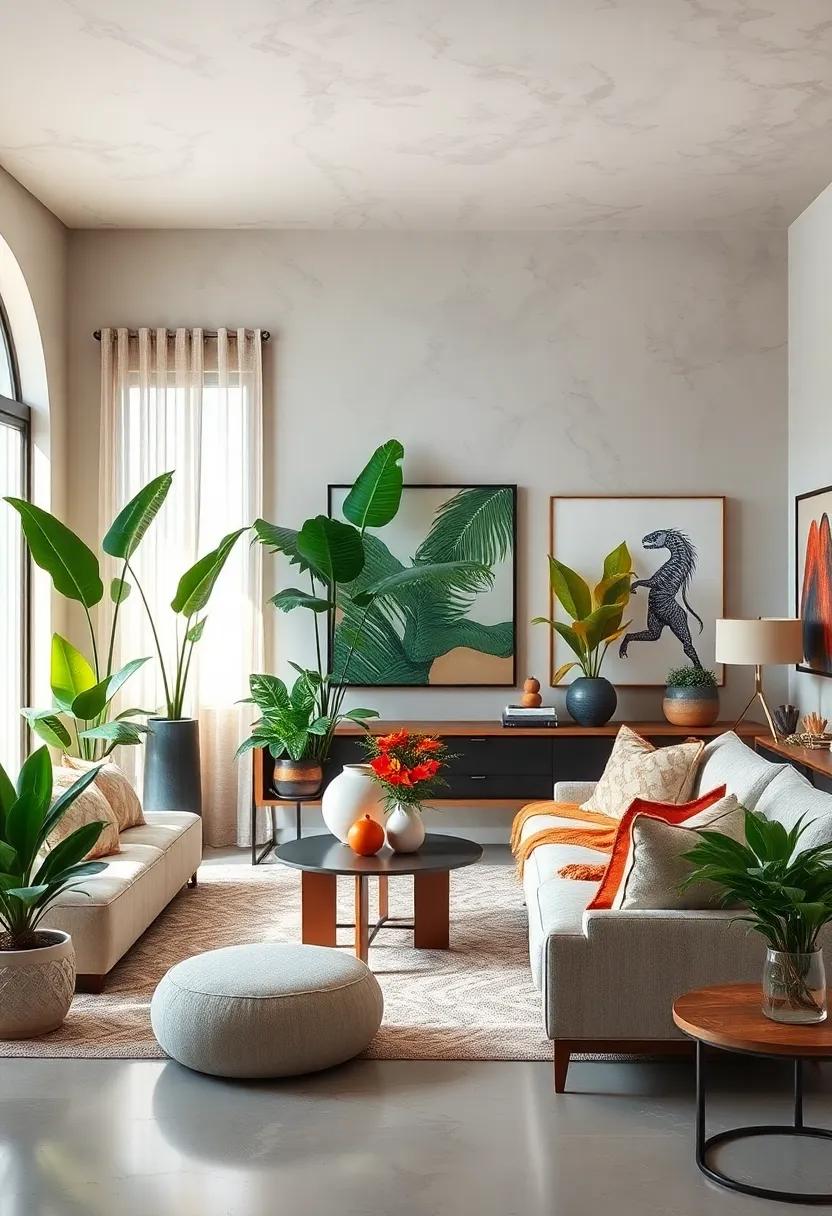
Transforming your living room into an artistic haven can be achieved by integrating vibrant tropical plants with your favourite artwork.Select a few statement pieces—like a large canvas or a framed photograph—and position them strategically next to lush greenery. The contrast of color and texture will draw the eye, creating a dynamic dialogue between the flora and the art. As a notable example, placing a whimsical fern beside a colorful abstract painting can evoke a lively feel, while a subtle succulent adjacent to a monochromatic piece can bring a sense of calm and sophistication.
To elevate this integration,consider using varied display methods: hang a plant in a macrame holder from the ceiling near a gallery wall or place a small potted plant on a pedestal in front of a majestic piece of art. Use differing heights and planters—like ceramic pots, metallic vases, or wooden stands—to enhance visual interest. this layered approach creates depth and invites curiosity.Here’s a simple table to inspire your plant and art pairing:
| Art Type | Recommended Plant |
|---|---|
| Abstract Canvas | Philodendron |
| Framed Photograph | ZZ Plant |
| Minimalist Print | Pothos |
| Vintage Poster | Snake Plant |
Create a Plant Ladder: Use a decorative ladder to showcase plants at varying levels, adding height and intrigue to the design
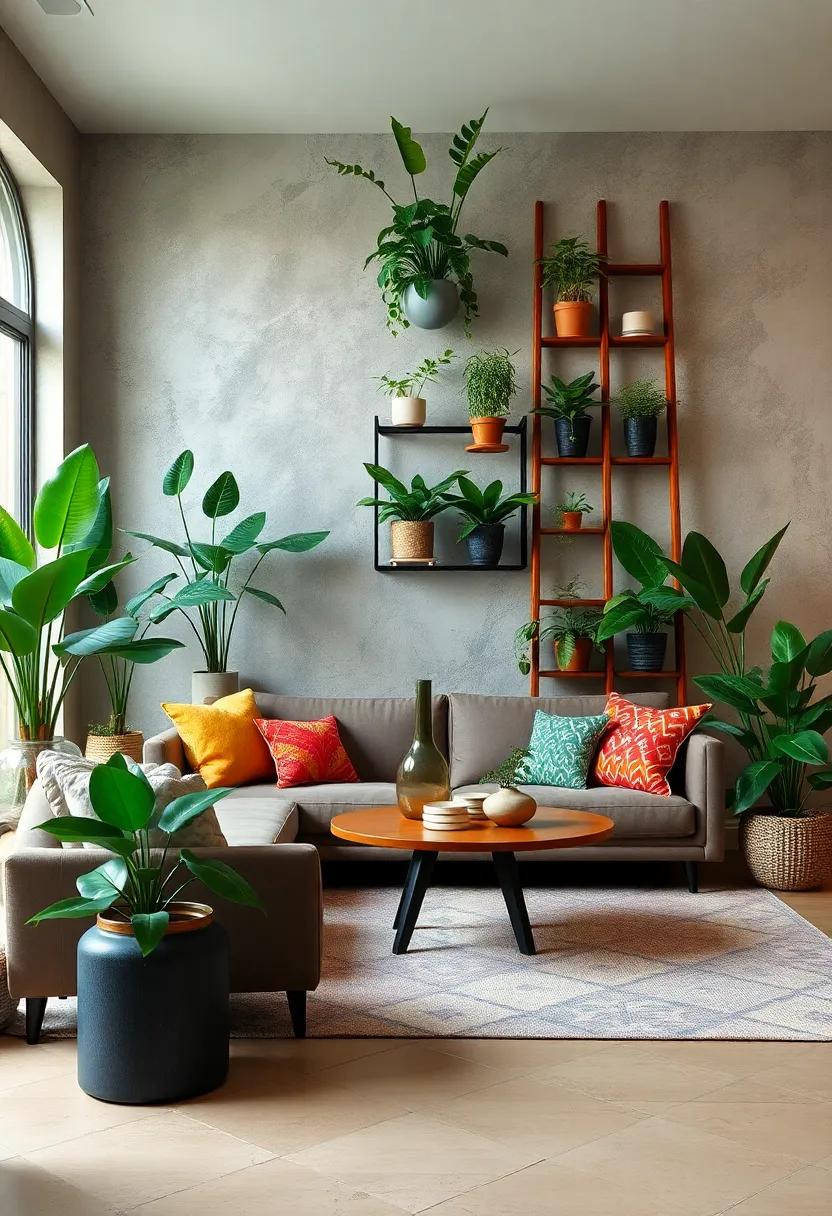
Transform a simple decorative ladder into a captivating focal point by using it to display an array of vibrant tropical plants. Choose a ladder that complements your existing decor, and consider styles ranging from rustic wooden finishes to sleek metallic designs. Organize your plants at varying heights to create visual interest, allowing each plant’s unique shape and color to shine. You might consider using:
- Hanging plants: Like string of hearts or trailing pothos, which can cascade down from the top rungs.
- Potted plants: Such as small ferns or peace lilies, positioned on the rungs for a grounded, layered look.
- Air plants: Nestle them in decorative holders attached to the ladder, adding an unexpected twist.
This vertical garden not only showcases your plant collection but also adds a unique architectural element to your living room.To enhance the aesthetic,consider placing a few decorative items like books or unique ceramics alongside the plants for added texture. For an extra touch, you can wrap fairy lights around the ladder for a warm, inviting ambiance.Check out the table below for tips on plant selection based on light and spacing:
| Plant Type | Light Requirement | Recommended Placement |
|---|---|---|
| Snake Plant | Low to bright indirect light | Middle rung |
| Philodendron | Medium indirect light | bottom rung |
| Spider Plant | Bright, indirect light | Top rung or hanging |
Experiment with Colorful Leaves: Incorporate plants with varied leaf colors, like caladium or croton, to add depth and interest to your decor
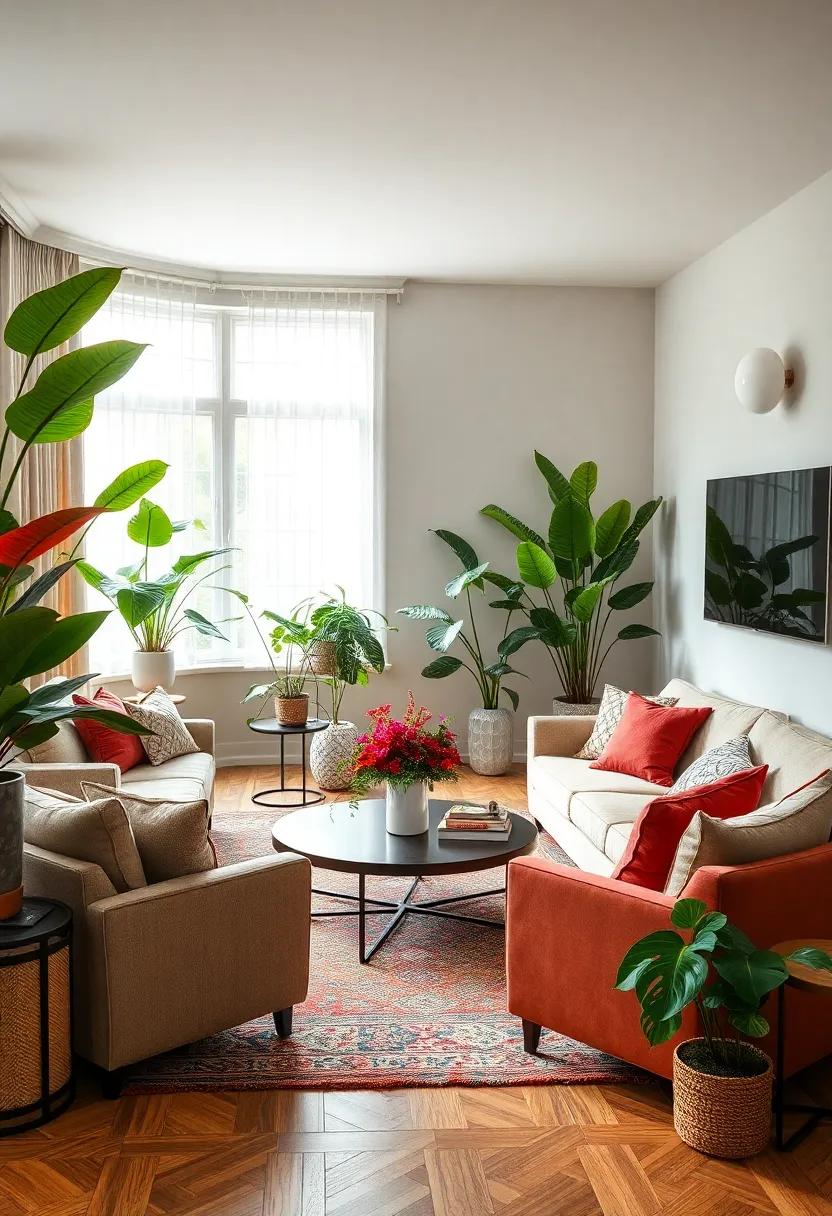
Transform your living space into a vibrant oasis by incorporating plants that boast striking leaf colors. Caladiums are a fantastic choice with their heart-shaped leaves decorated in bold patterns of pinks, reds, and greens that can invigorate any room. Similarly, Crotons bring a fiery flair with their bright yellow, orange, and red foliage, creating an eye-catching contrast against more muted decor. When styled together in an eclectic arrangement,these plants can create a layered look,drawing the eye and inviting guests to explore the textures and colors of your indoor jungle.
To maximize the visual impact, consider grouping plants with contrasting leaf shapes and sizes. Such as, place the broad, waving leaves of a Caladium next to the upright, slender foliage of a Croton. You can also include smaller accent plants with unique leaf patterns or colors, such as a Bromeliad or Philodendron. This combination adds depth and dimension to your decor, ensuring that every corner of your living room feels alive with artistry from nature.Remember to change your plant placements occasionally to keep things fresh and engaging!
Add Aroma with Fragrant plants: Including fragrant plants like jasmine or lemongrass will elevate the sensory experience of your living space
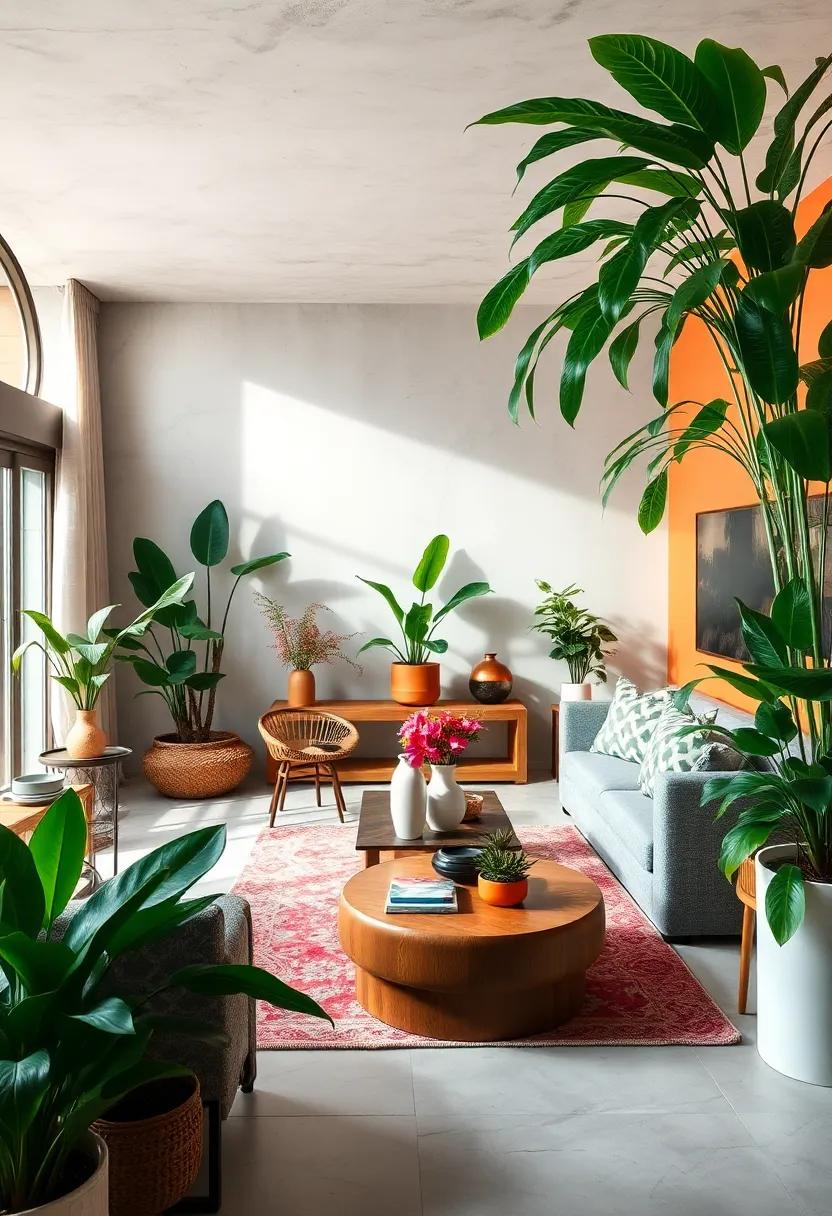
Incorporating fragrant plants such as jasmine and lemongrass into your living space can transform the atmosphere, creating an enchanting sensory experience that draws you and your guests closer to nature. Imagine walking into a room filled with the sweet, intoxicating aroma of blooming jasmine, which not only adds aesthetic value with its delicate white flowers but also has a calming effect that promotes relaxation and tranquility. Conversely, lemongrass infuses a fresh, citrusy scent, perfect for invigorating the space and promoting a sense of energy. Together, these plants can harmonize the ambiance, making your eclectic living room a refuge of peace and rejuvenation.
To maximize the impact of these fragrant plants,consider their placement and care. Grouping them as table centerpieces or shelf accents can create focal points while enhancing the olfactory experience. When creating your plant layout, keep in mind that both jasmine and lemongrass thrive in bright, indirect sunlight, making them ideal for window sills or near other light-loving tropical plants. Below is a simple table outlining the key characteristics of these fragrant plants to help you choose the best fit for your unique space:
| plant | Fragrance | Care Tips | Ideal Placement |
|---|---|---|---|
| Jasmine | sweet and floral | Water regularly; prefers well-draining soil | Near bright windows or on shelves |
| Lemongrass | Citrusy and fresh | Requires regular pruning; likes moist soil | Perfect for kitchen counters or sunny areas |
Use Unconventional Furniture: Repurpose old furniture like crates or barrels as plant stands to add character and an eclectic touch
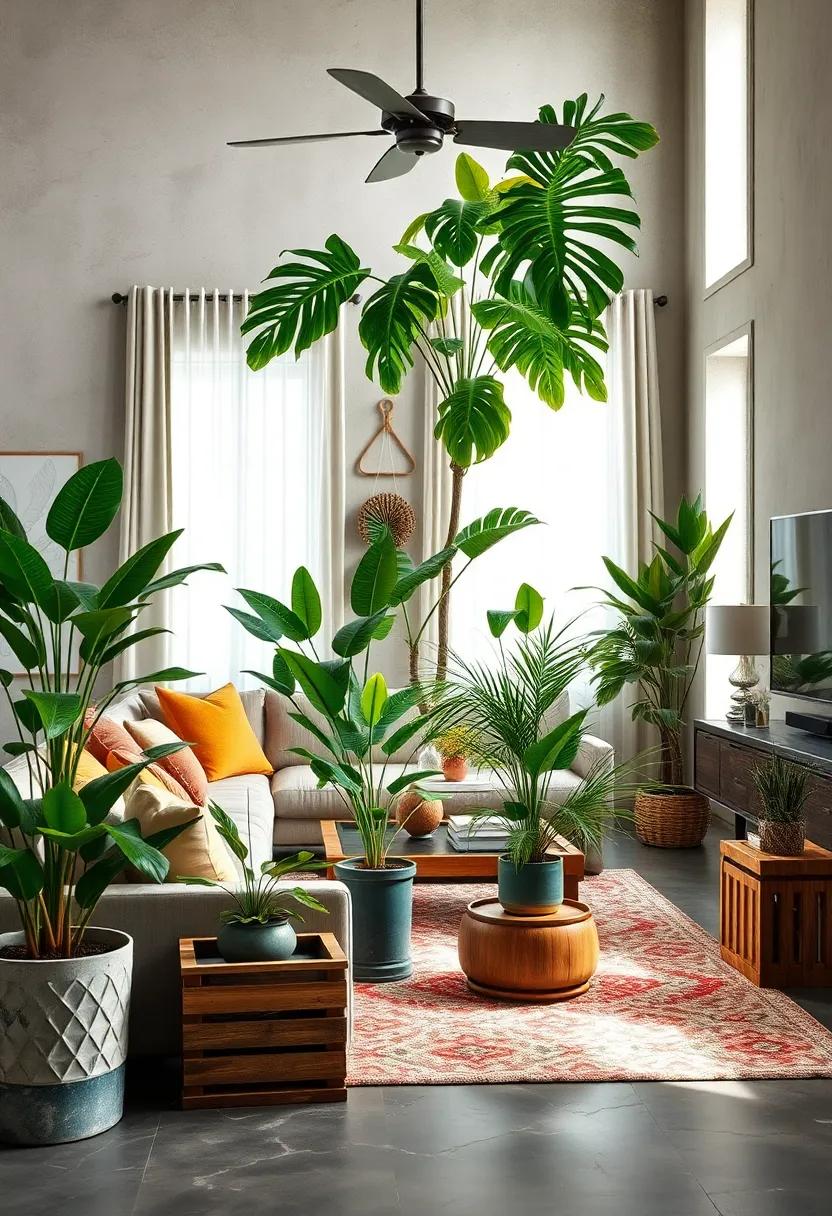
Transforming old furniture into stunning plant stands is a brilliant way to add character and uniqueness to your living room. Think outside the box by utilizing items like wooden crates, vintage barrels, or even old ladders to elevate your indoor plants. This not only creates a conversation starter but also enhances the eclectic feel of your space. You can easily customize these pieces by adding a splash of paint or a rustic finish to match your décor. consider arranging your plants at different heights for an eye-catching display that draws the eye throughout the room.
Here are some unconventional ideas for repurposing old furniture:
- wooden Crates: Stack them up creatively or lay them on their side for a crafty look.
- Barrels: Cut them in half and use each half as a rustic plant holder.
- Old Ladders: Lean one against the wall to showcase a variety of plants.
- Suitcases: Open them up and place pots inside for a retro vibe.
- Side Tables: Make a small plant corner by grouping pots on a vintage side table.
| Furniture Item | Repurposed Use |
|---|---|
| Wooden Crate | Multi-tiered plant stand |
| Vintage Barrel | Half-cylinder planter |
| Old Ladder | Vertical plant display |
| Retro Suitcase | Potted plant holder |
| Small Table | Grouped plant showcase |
Incorporate Seasonal Plants: Rotate plants based on seasons—cacti in summer, poinsettias in winter—to keep the space fresh and dynamic
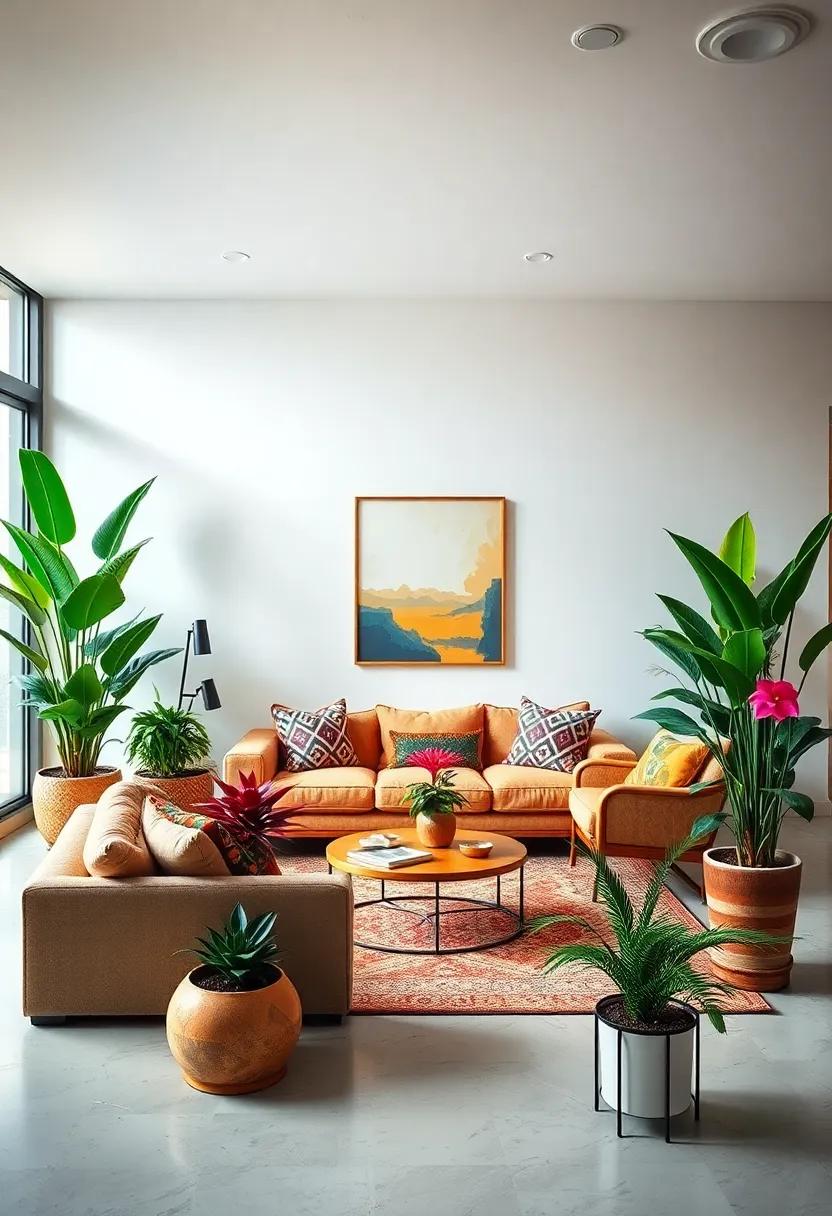
Transform your living room into a vibrant sanctuary by embracing the dynamic nature of seasonal plants. Start with cacti and succulents in the summer months, adding a touch of arid beauty, with their unique textures and playful shapes.Their low-maintenance requirements make them ideal for busy households while providing a trendy, laid-back aesthetic. As the warm sun sets into cooler days, swap these out for poinsettias and festive amaryllis, infusing your space with cheerful red and white hues that celebrate the cozy winter season. This rotation not only revitalizes your space but allows you to engage with the rhythm of nature.
Creating a seasonal planting schedule can also enhance your living room’s style. Consider the following tips to maximize impact:
- Spring: Brighten your space with tulips and daffodils,announcing the arrival of warmer days.
- Summer: Introduce bold and colorful blooms like hibiscus and bird of paradise for that tropical flair.
- Autumn: opt for warm-toned leaves with maranta and calathea varieties, showcasing their stunning foliage.
- Winter: Don’t forget seasonal favorites like Christmas cacti and holly, adding a festive touch to your decor.
| Season | Plant Options |
|---|---|
| spring | Tulips, Daffodils, Peace Lily |
| Summer | Cacti, Hibiscus, Bird of Paradise |
| Autumn | Maranta, Calathea, Chrysanthemums |
| Winter | Poinsettias, Christmas Cacti, Holly |
Use Mirrors to Reflect Greenery: Position mirrors strategically to reflect your plants, amplifying their beauty and creating an illusion of a larger space
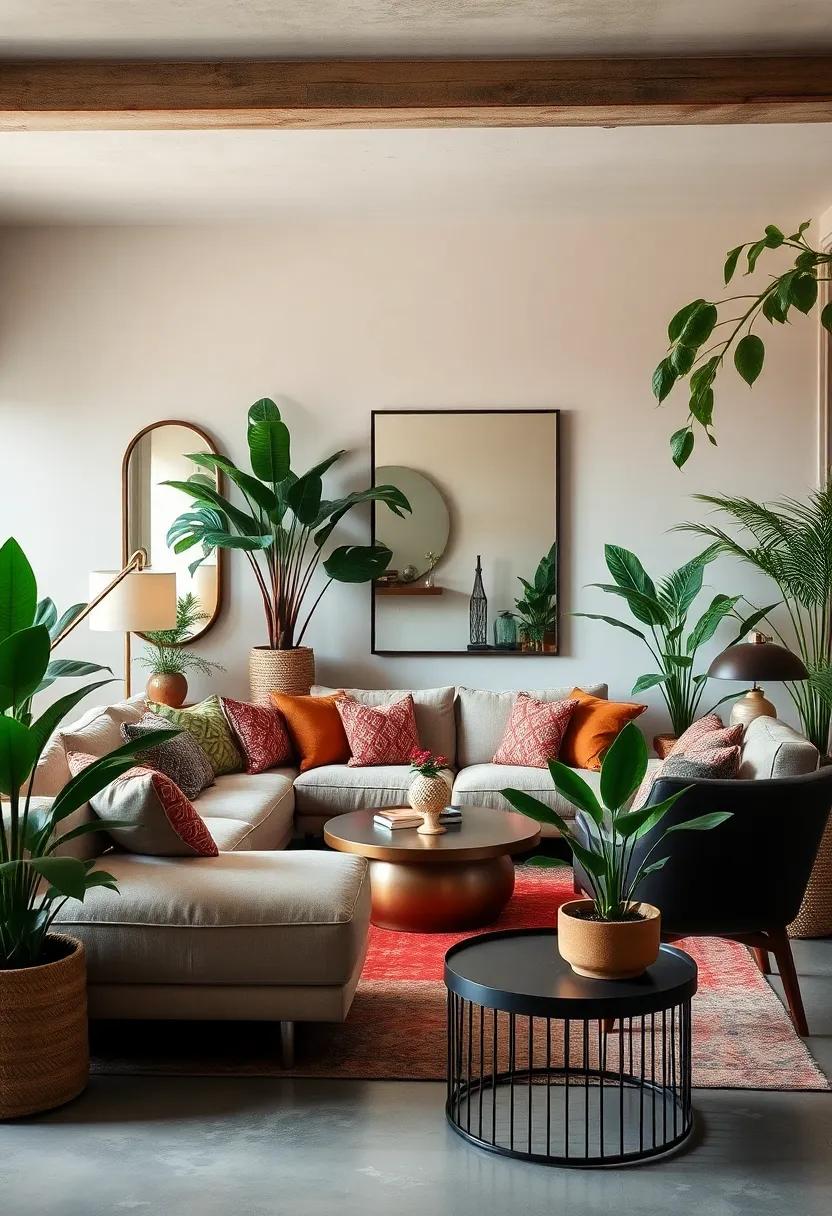
Transform your living space into a lush oasis by incorporating mirrors that reflect the vibrant greenery of your tropical plants. By positioning mirrors across from your plant displays, you can amplify their beauty while simultaneously creating an illusion of depth that makes your room feel more expansive. Consider using vintage or uniquely shaped mirrors to add an eclectic flair, serving as both decor and a clever way to showcase your botanical treasures. Reflective surfaces not only enhance the visual appeal but also help distribute natural light, allowing your plants to thrive while bathing your space in a warm glow.
When selecting the right spots for your mirrors, think about key areas that can benefit from both brightness and depth.Here are a few strategic placements to consider:
- Opposite a large window to bounce sunlight indoors
- Adjacent to a leafy plant to create a symmetrical look
- Above a console table adorned with smaller plants for added dimension
To keep things organized and visually captivating, you might also create a small table detailing ideal mirror placements, plant types, and their reflective benefits:
| Mirror Placement | Recommended Plant | Visual Benefit |
|---|---|---|
| Opposite Window | Fiddle Leaf Fig | Brightens with natural light |
| Beside large Monstera | Monstera Deliciosa | Enhances leafy silhouette |
| Above Coffee Table | Peace Lily | Creates a cozy focal point |
By blending mirrors with your tropical plants in these thoughtful ways, you can elevate the aesthetic of your eclectic living room, inviting nature and elegance into your home.
Experiment with Vertical Gardens: Design a vertical wall garden to maximize space and introduce a lush jungle effect into your living room
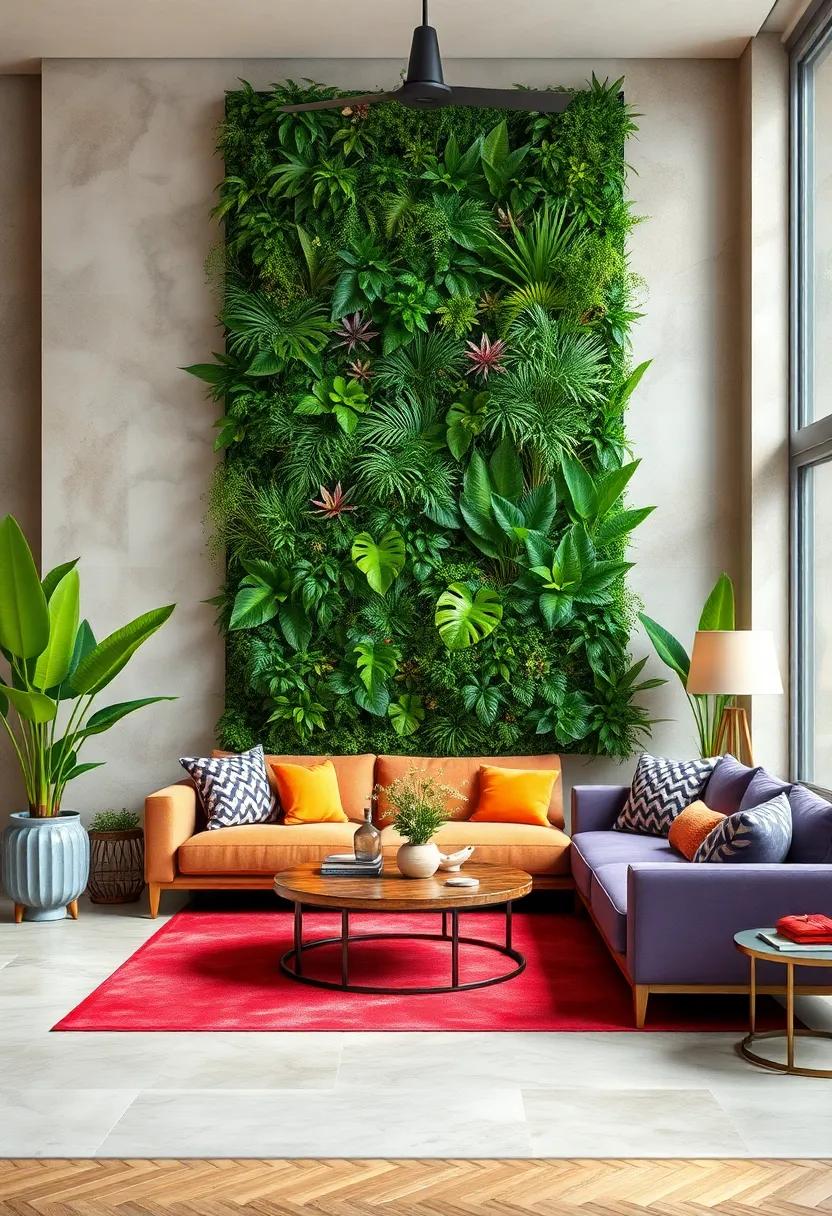
Transform a bare wall into a vibrant canvas by designing a vertical wall garden. Not only does this technique maximize your space, but it also adds a stunning green focal point that breathes life into your living room. Start by selecting a variety of tropical plants that vary in height, texture, and color.Examples include ferns, pothos, and peace lilies which thrive in indoor settings and can create a lush atmosphere. Utilize wall-mounted planters, pocket systems, or even repurposed wooden pallets to hold the plants. Don’t forget to consider the lighting—placing the garden near a window can enhance growth and allow for spectacular shadows and shapes to play across the wall.
When arranging your vertical garden, embrace an asymmetrical design that mimics nature’s randomness, ensuring that you layer taller plants with creeping vines and cascading foliage. Moreover, incorporating colorful decor or textured elements alongside your greenery can amplify the eclectic feel of your living space. Consider adding decorative elements such as small sculptures, rustic grains, or woven fibers to complete the look. To make plant care easier, use a drip irrigation system or select self-watering planters. This setup not only eases maintenance but contributes to a healthier jungle effect, keeping your oasis flourishing brilliantly!
Include Functional Greenery: Opt for edible plants, like herbs or small fruit trees, that add both beauty and practicality to your decor
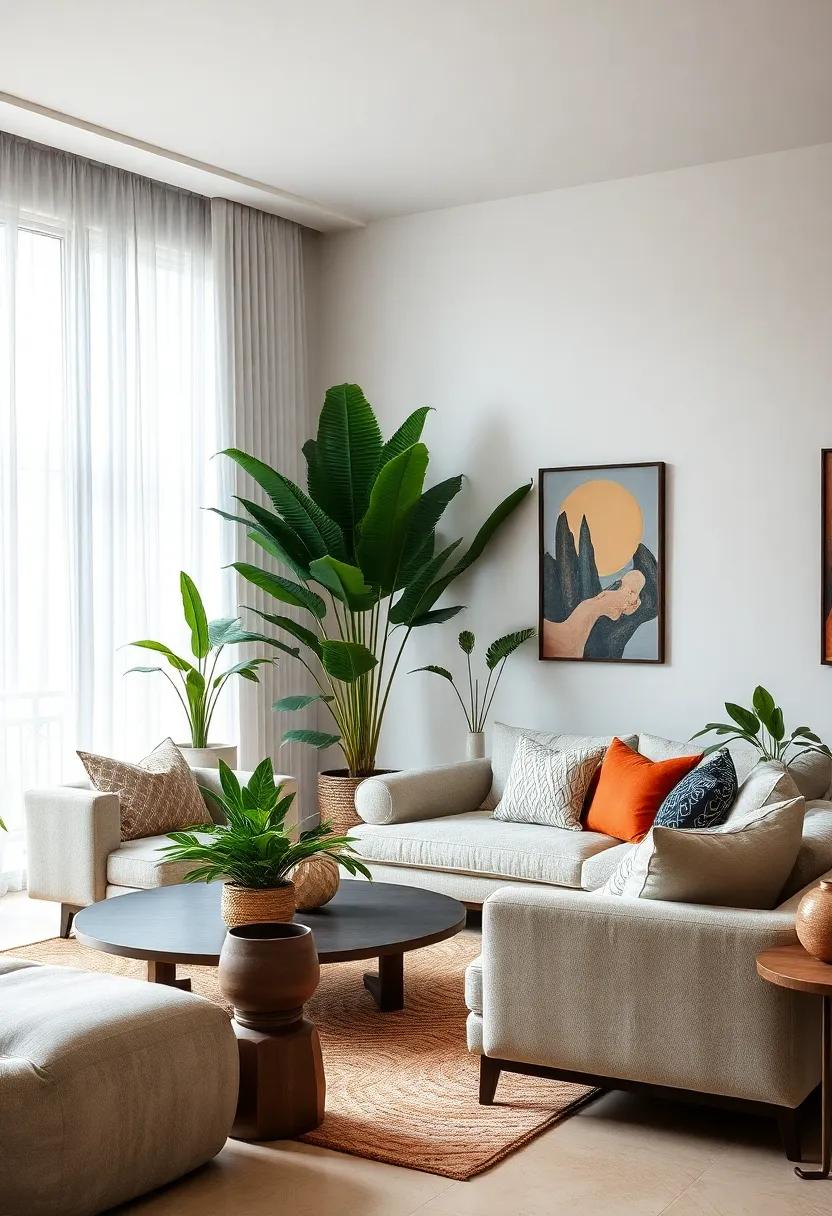
Transform your living space into a lush haven by incorporating functional greenery.Edible plants not only serve as striking decor but also bring a practical element to your home. Consider creating a vibrant herb garden on your windowsill or kitchen countertop.Basil, thyme, and cilantro are not only aromatic but also add a pop of green, making them perfect for enhancing your space. For a more dramatic effect, small fruit trees like lemon or fig can bring height and structure while tantalizing your taste buds. Their architectural shapes provide a visual focal point while ensuring you have access to fresh fruits.
Incorporating these plants encourages a lifestyle that intertwines beauty with sustainability. Imagine adorning your bookshelves with charming pots of chives or hanging strawberry plants from the ceiling for a whimsical touch. A simple herb ladder can be created to display various edible plants, allowing both accessibility for cooking and a delightful view. Consider a mixed planting approach by using a WordPress table to showcase your choices for combining aesthetics with functionality:
| Plant Type | Function | Decorative Appeal |
|---|---|---|
| basil | Culinary Use | Vibrant green foliage |
| Lemon Tree | Fresh fruit | height and structure |
| Thyme | Aromatic seasoning | Delicate flowers |
| Strawberries | Sweet snack | Whimsical trailing vines |
Showcase Uncommon Varieties: Incorporate rare or unique tropical plants to intrigue your guests and give your living room an exclusive touch
Transform your living room into a botanical wonderland by incorporating some rare and unique tropical plants that not only catch the eye but also spark curiosity. Consider adding the Monstera Deliciosa Variegata, with its striking white and green marbled leaves, to create a focal point that will leave your guests in awe. Another exciting option is the Alocasia Zebrina,distinguished by its unique zebra-patterned stems and dramatic,arrow-shaped leaves,perfect for adding a quirky yet elegant touch. Explore the mesmerizing Hoya Kerrii, also known as the sweetheart plant, characterized by its heart-shaped leaves, which symbolize love and affection and can sweetly accentuate your spaces.
For a splash of color and exotic intrigue, why not introduce the Calathea Orbifolia? This stunning plant features large, round leaves adorned with intricate patterns that will bring life to any corner.Additionally, the Philodendron Pink Princess offers a unique contrast with its deep green foliage streaked with vibrant pink, providing a perfect talking piece. Lastly, embrace the exotic charm of the Ctenanthe Burle-Marxii, known for its eye-catching, patterned leaves that elegantly fold up at night. With these uncommon varieties, your living room will not only serve as a cozy retreat but also invite endless admiration from visitors.
Mix and Match Planter Styles: Create an eclectic vibe by using a combination of modern, rustic, and vintage planters throughout the space
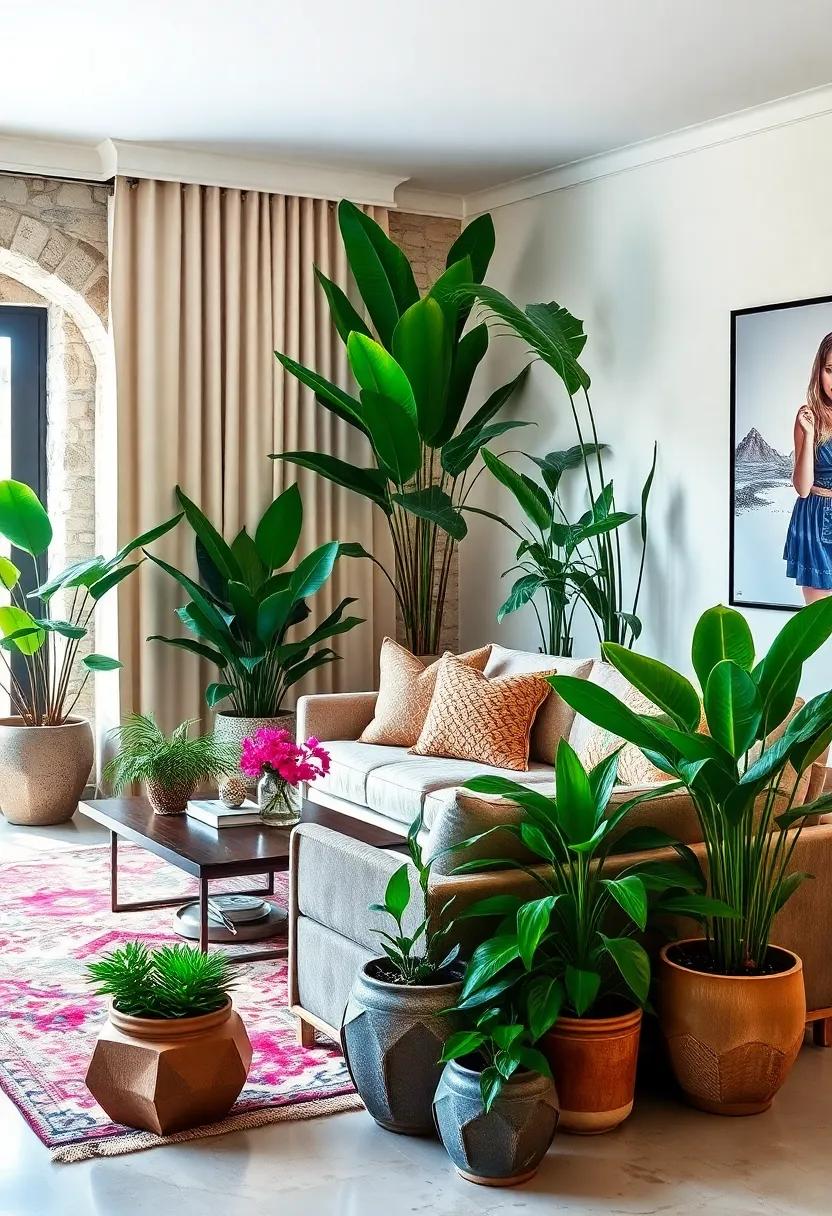
Transform your living space into a botanical wonderland by experimenting with a variety of planter styles. Consider modern geometric planters crafted from sleek metal or ceramic,bringing a minimalist touch that contrasts beautifully with the textured warmth of rustic wooden pots. Mix in vintage containers, perhaps a repurposed teapot or weathered terracotta, to introduce character and a sense of history. This combination not only helps showcase the diverse beauty of your tropical plants but also creates visual interest through contrasting shapes, finishes, and colors.
To enhance the eclectic aesthetic, arrange your planters at various heights and group them by theme or color. Such as,cluster deep green plants in vibrant ceramic pots alongside soft-toned planters featuring lighter foliage for a pleasant balance. Utilizing a combination of hanging planters, tabletop arrangements, and floor stands will add layers to your decor. To get started, here’s a simple table of plants paired with ideal planter styles:
| Plant Type | Ideal Planter Style |
|---|---|
| Monstera | Rustic Wooden Pot |
| Snake Plant | Modern Metal Planter |
| Pothos | Vintage Hanging Basket |
| Fiddle Leaf Fig | Large Ceramic Urn |
Position Plants on every Level: Utilize shelves and furniture surfaces to ensure that greenery is at various heights, keeping the visual flow engaging
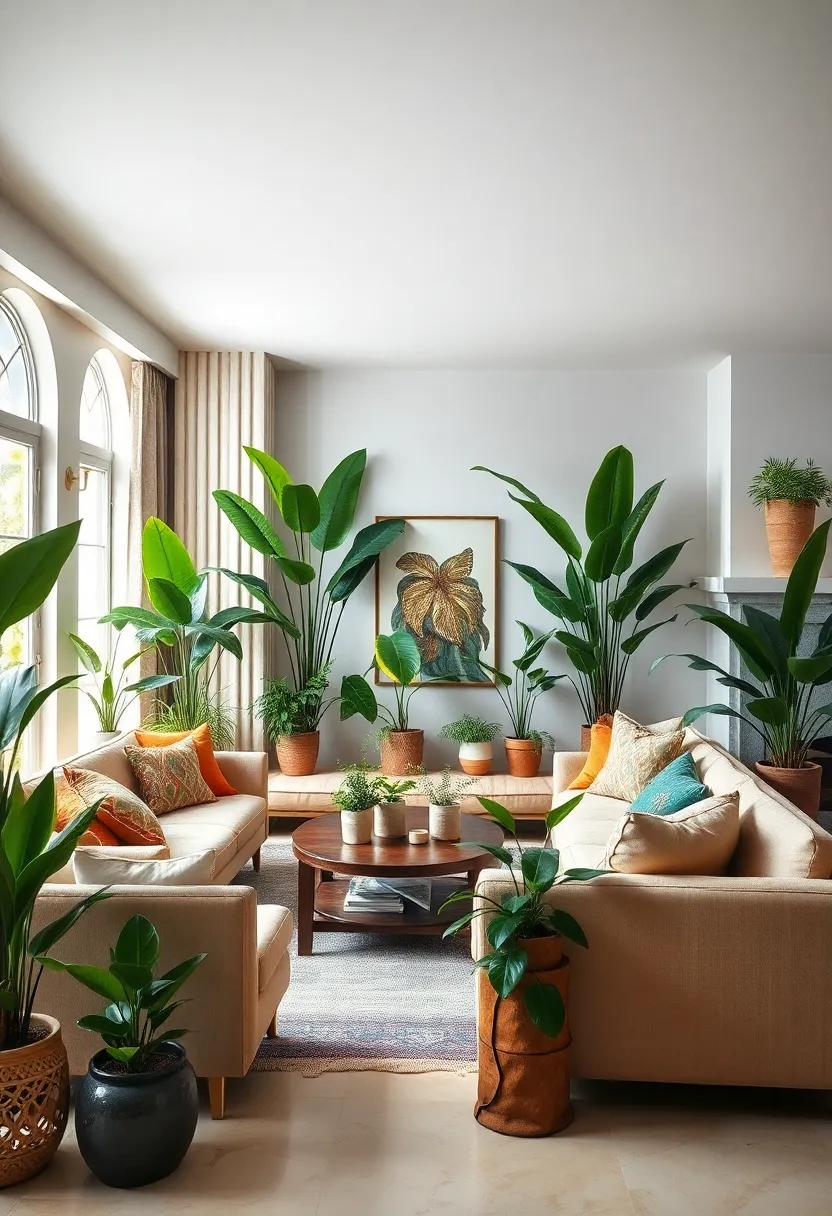
Incorporating plants at different heights can transform your living room from ordinary to remarkable. Consider utilizing a mix of shelves, bookshelves, and furniture surfaces to create dimension and visual interest. By positioning greenery on upper shelves, tabletops, and even hanging from the ceiling, you establish a dynamic interaction between the various elements in your space. This layering effect not only maximizes your plant display but also draws the eye upward, creating an illusion of a larger room and adding excitement to your design.
To effectively enhance this concept, try mixing different types of planters and stands. As a notable example, you could use:
- Wall-mounted shelves for trailing vines like pothos or string of hearts.
- Side tables to showcase medium-sized, statement plants such as monstera or fiddle leaf fig.
- High plant stands for smaller accent plants,giving them an elevated presence.
Alternatively, consider a dedicated display area, like a tiered plant stand, to introduce an array of colors and textures while maximizing your space. By ensuring that your greenery is both varied in height and thoughtfully arranged, you’ll create a lush, inviting atmosphere that keeps the visual flow engaging.
Create Custom Plant Art: Frame plant cuttings or dried leaves to create a unique piece of art that enhances your tropical theme
Transform your living space into a tropical oasis by using plant cuttings or dried leaves as the centerpiece for unique wall art. Start by selecting vibrant leaves from your favorite tropical plants, such as monstera, palm, or fiddle leaf fig. Carefully dry them between the pages of a heavy book or use a flower press to maintain their shape and color. Once dried, you can arrange these botanicals in a visually appealing composition, showcasing their natural beauty and varying textures.Consider using clear frames for a modern look that highlights the organic shapes of your plant art, or go for a rustic wooden frame that adds warmth and charm to your tropical theme.
To elevate your framed plant art, consider creating a small gallery wall dedicated to your green creations. Alternating the sizes of the frames can add interest and visual dynamics to the display. You could even include labels underneath each piece to indicate the plant species, turning your art into an educational showcase of your tropical collection. Enhance the experience by pairing your art with complementary elements like woven baskets or colorful textiles that reflect the vibrant palette of the tropics.The result will be a harmonious blend of nature and design, making your eclectic living room a true celebration of the tropics.
Personalize with Plant Labels: Add charm and informality to your style by labeling your plants, making the space feel more personal and inviting
Transform your plant display from ordinary to extraordinary by introducing personalized plant labels that reflect your style and personality. Handwritten labels can add a rustic charm, echoing the warmth of your eclectic living room. Consider using materials like wood, slate, or even recycled materials like old silverware for a unique twist. Not only will the labels serve to inform guests of the plant species — from the dramatic Monstera deliciosa to the delicate Boston fern — but they also encourage a deeper connection to your greenery, making your living space feel genuinely lived-in. Don’t hesitate to inject some humor or quirky facts into your labels. Give your Snake Plant a title such as, “mother-in-Law’s tongue” or share its air-purifying prowess to spark conversations.
To elevate the overall aesthetic, consider pairing your plant labels with complementary design elements in your space. Choose colors and fonts that align with your living room’s theme while retaining a casual feel. Cute botanical illustrations can enhance your labels, embodying the playful spirit of an eclectic style. Use clay or ceramic pots as a canvas for additional creativity; you can paint the labels directly on them or tie tags with twine around the plant pots. A small table showcasing your plant labels can organize and elevate your living room layout, giving guests a glimpse of the story behind each plant. Here’s a simple layout to inspire your labeling journey:
| Plant Name | Label Idea |
|---|---|
| Philodendron | “Climbing to New Heights” |
| Pothos | “Trailing Sunshine” |
| Fiddle Leaf Fig | “My Little Jazz Singer” |
| Bamboo Palm | “Tropical Breeze” |
In Retrospect
As we conclude our exploration of 25 inspiring ways to infuse your living room with the vibrant charm of tropical plants, we hope you’ve discovered ideas that resonate with your personal style. Each suggestion offers a unique opportunity to blend nature into your space, transforming it into a relaxing oasis that reflects the lush beauty of the tropics.
Remember, creating an eclectic living room is all about embracing diversity—mixing textures, colors, and forms to cultivate a warm and inviting atmosphere. So whether you’re incorporating a stunning fiddle leaf fig, artfully arranging a variety of succulents, or simply adding a splash of greenery with wall-mounted planters, let your creativity flourish.
as you embark on this botanical journey, don’t forget to share your own experiences and discoveries.After all, a living room is more than just a gathering space; it’s a canvas where your personality can bloom. So, roll up your sleeves, nurture those plants, and watch as your living room transforms into a vibrant tribute to nature’s beauty. Happy decorating!
As an Amazon Associate I earn from qualifying purchases.