29 Japandi Kitchen Inspirations: Embrace Clean Lines and Minimalist Elegance
In a world where clutter often reigns supreme, the Japandi aesthetic emerges as a serene solution, beautifully intertwining the simplicity of Japanese design with the cozy warmth of Scandinavian minimalism. If you’re looking to transform your kitchen into a space that exudes both functionality and understated elegance, you’re in the right place. In this curated listicle, we present 29 inspirational Japandi kitchen ideas that highlight the beauty of clean lines, natural materials, and a harmonious color palette. Whether you’re a seasoned design enthusiast or a novice in home decor, these creative concepts will guide you in crafting a space that is not only visually striking but also a joy to cook and gather in. Expect to find practical tips, innovative storage solutions, and striking design elements that will inspire you to embrace simplicity and elevate your kitchen aesthetics. Let’s embark on this journey to minimalist elegance together!
Discover the beauty of natural materials with wooden cabinetry that complements the serene atmosphere of a Japandi kitchen
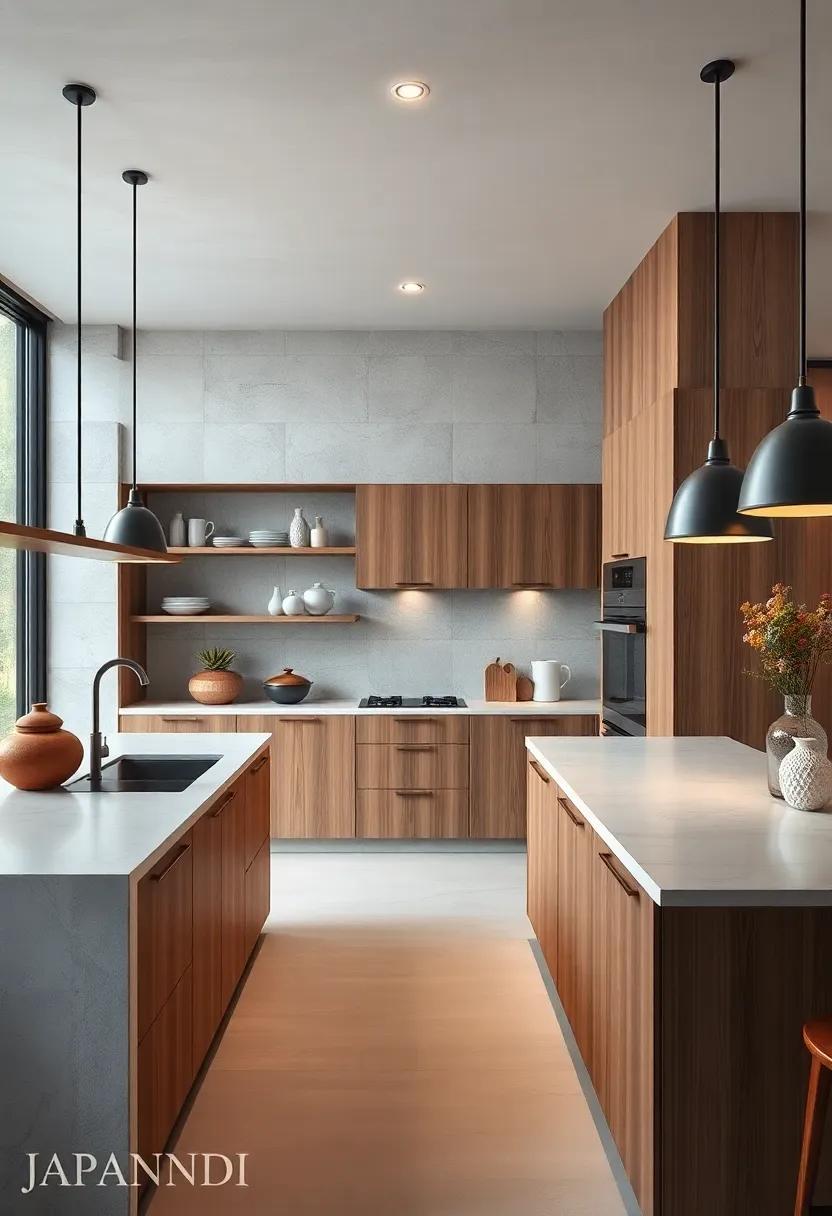
Wooden cabinetry serves as the heart of a Japandi kitchen, where simplicity meets warmth, creating a space that feels both inviting and tranquil. The use of natural wood tones not only enhances the aesthetic appeal but also aligns perfectly with the principles of minimalism and functionality. Choose cabinetry that showcases the unique grain patterns and texture of the wood, allowing it to act as a natural focal point. Whether you opt for deep rich hues or light, airy finishes, the beauty of wood brings a touch of nature indoors, fostering a serene atmosphere that invites relaxation and creativity.
Incorporating wooden cabinetry into your kitchen can be further amplified by implementing thoughtful design choices. For example:
- Open Shelving: Display handcrafted ceramic dishware and minimalist decor against the wooden backdrop, creating a harmonious blend of form and function.
- Integrated Handles: Subtle handle-less cabinetry enhances the clean lines typical of Japandi style, allowing the wood’s beauty to shine without distraction.
- Layered Textures: Combine wooden cabinets with elements like natural stone or soft textiles to create a multi-dimensional habitat that feels both elegant and lived-in.
Embrace open shelving to display handcrafted ceramics and minimalist tableware, adding both function and style
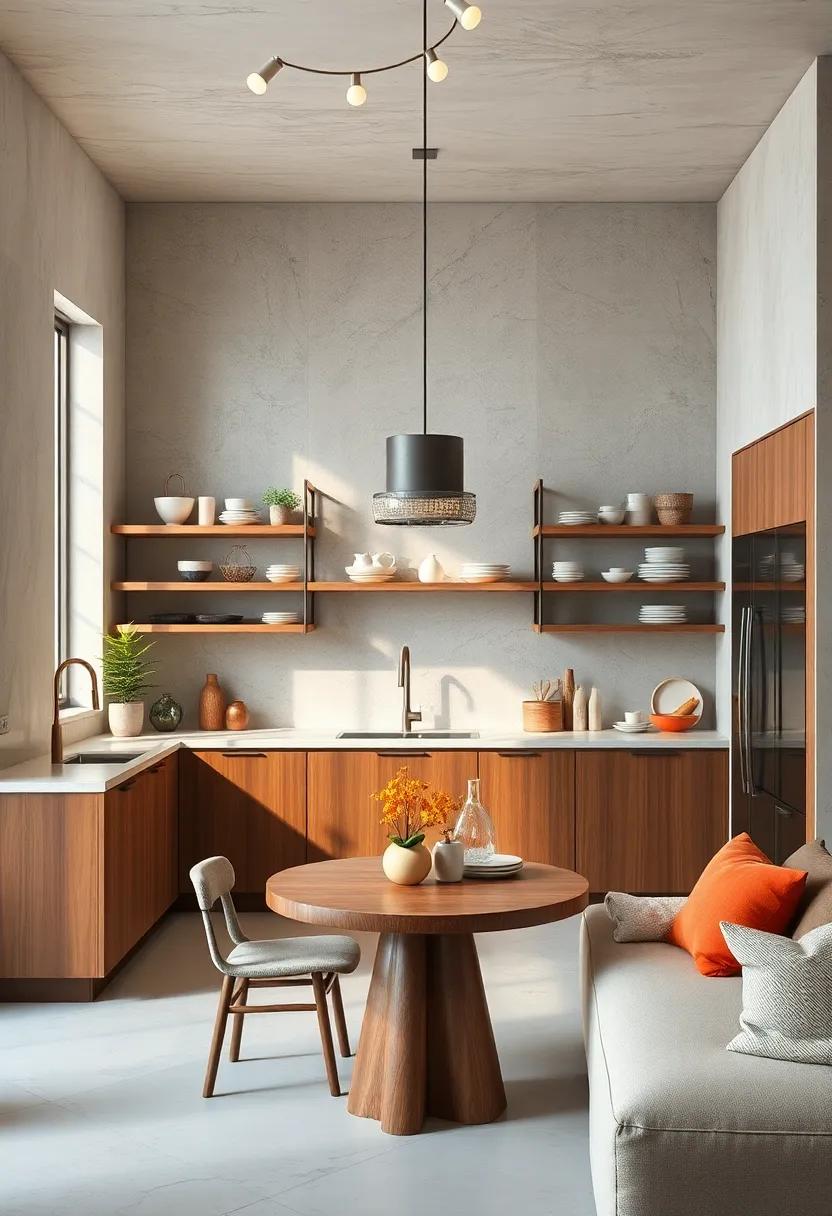
When it comes to creating a harmonious kitchen space, open shelving offers a perfect blend of functionality and aesthetic appeal. By showcasing handcrafted ceramics and minimalist tableware, you can turn your kitchen into a visual delight. Opt for shelves made of warm wood or sleek metal that harmonize with your overall décor. Display items like:
- Hand-thrown mugs that add a personal touch.
- Sleek plates in neutral colors to maintain a calm atmosphere.
- Stacked bowls that serve both practical and decorative purposes.
- Elegant glassware that catches the light beautifully.
To enhance the visual appeal, consider organizing your ceramics by color or style. This not only draws the eye but also allows for easy access when preparing meals. Pair your tableware with small potted plants or herbs on the shelves to introduce a touch of greenery, balancing the minimalist ethos of your kitchen. You could even create a simple table to track different ceramic styles you wish to display:
| Ceramic Style | Color Palette | Functionality |
|---|---|---|
| Japanese Ramen Bowls | Earthy tones | Perfect for soups and pastas |
| Scandinavian Plates | Soft whites and grays | Versatile use for meals |
| Modern Mugs | Muted blues | Ideal for coffee and tea |
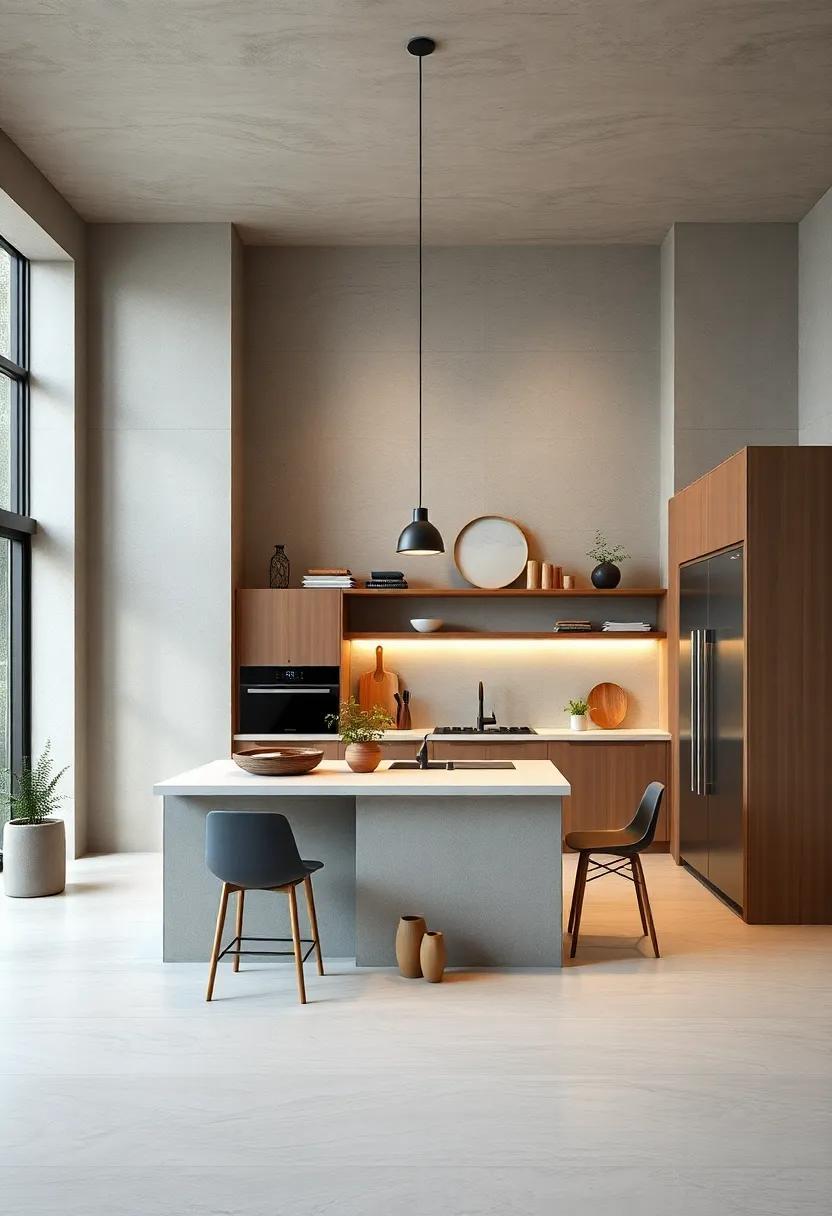
Incorporate statement lighting,such as a sleek pendant,to enhance the room’s vertical lines and create a focal point
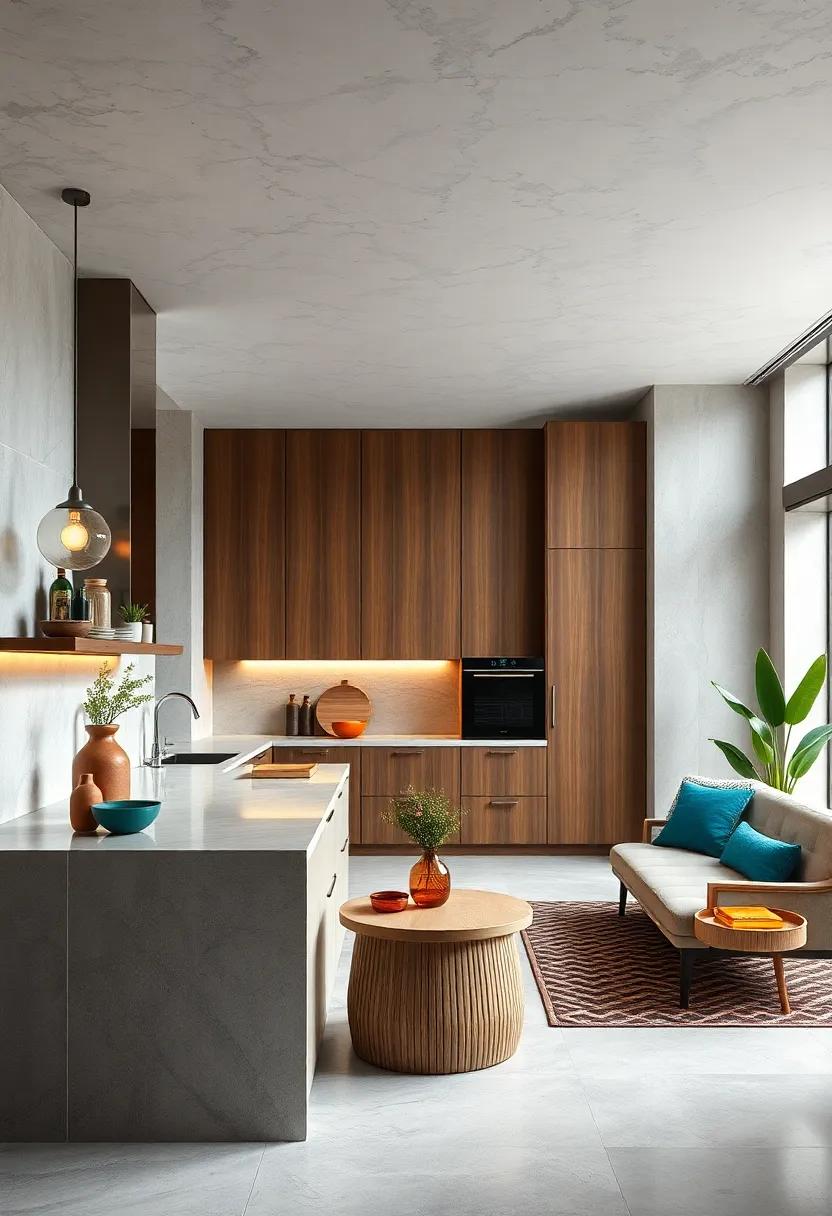
To achieve a striking visual impact in your Japandi kitchen, statement lighting is key. A sleek pendant light can effortlessly draw the eye upward, emphasizing the vertical lines that define the space. This not only highlights the architectural elements of the kitchen but also adds an air of sophistication to your minimalist aesthetic. Consider options that complement the smooth lines and natural materials of Japandi design, such as fixtures made from wood, metal, or glass for a cohesive look.
When planning your lighting, think about the following elements to enhance the overall ambiance:
- Size: Choose a pendant that is proportionate to your space—oversized fixtures can serve as captivating focal points while smaller ones can be grouped for an artistic effect.
- Texture: Incorporate varied textures to add depth; matte finishes or rough materials can create a visual contrast with smooth surfaces.
- Color: Stick to a neutral palette with hints of earthy tones to maintain the calming vibe characteristic of Japandi style.
If you’re unsure about where to place your lighting, crafting a simple guide can clarify the options:
| Location | Lighting Type | Purpose |
|---|---|---|
| Over the island | Pendant light | Task lighting and focal point |
| In the dining area | Chandelier or multi-pendant | Ambient lighting and aesthetic enhancement |
| Above countertops | Linear light or recessed lighting | Functional lighting for cooking |
Use muted earth tones for your kitchen walls to create a calming backdrop, allowing your design elements to shine
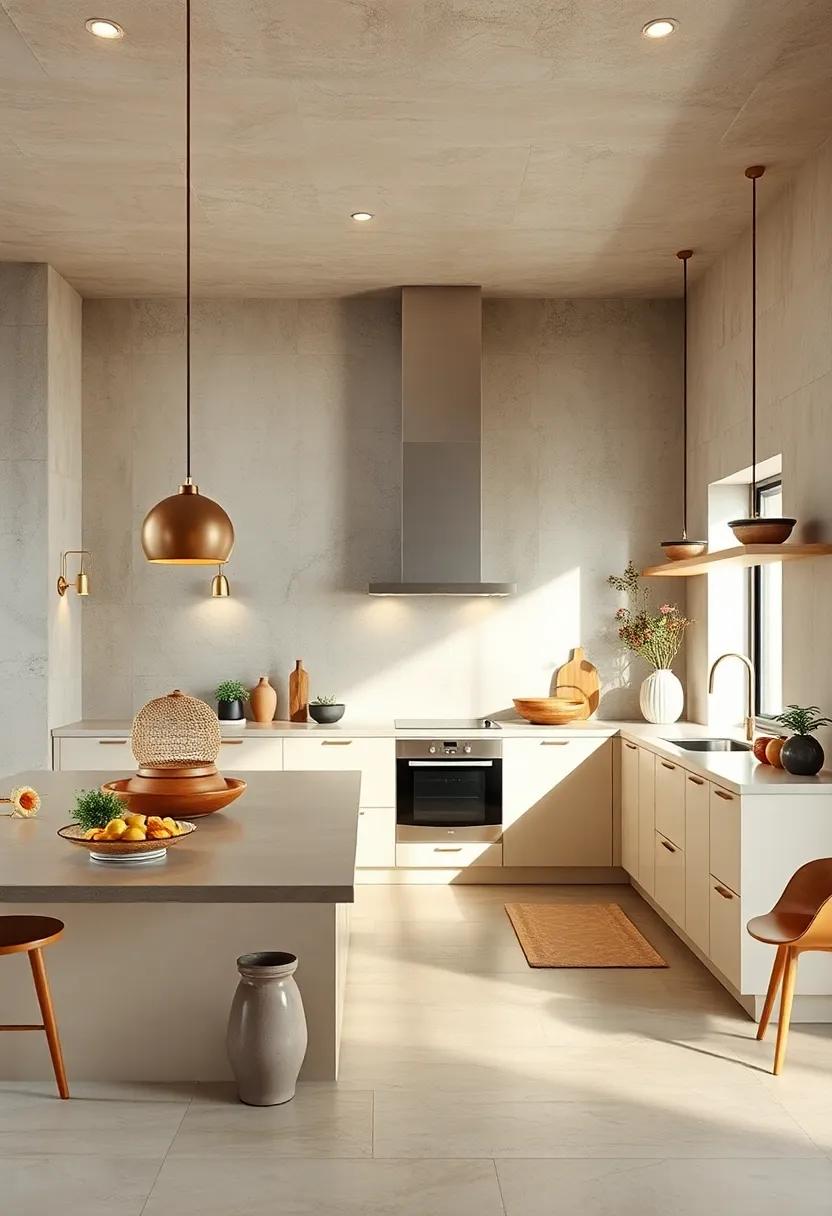
Choosing muted earth tones for your kitchen walls can significantly influence the overall atmosphere of the space.By utilizing shades like soft beiges, warm taupes, and delicate greens, you cultivate a serene environment that promotes a sense of tranquility.These colors serve as a peaceful backdrop, allowing your carefully curated design elements—such as handcrafted ceramics or sleek stainless steel appliances—to stand out. The subtlety of these tones enhances the natural light, creating a soothing ambiance that encourages relaxation and creativity in culinary pursuits.
To further enhance the calming effect, consider incorporating complementary materials and textures that resonate with a Japandi aesthetic. Natural wood finishes, such as oak or walnut, pair beautifully with understated walls. Soft textiles, like linen or cotton in neutral palettes, can adorn window treatments or table settings, reinforcing the theme. You may also want to use minimalist decor—think of simple pottery or unembellished plants—to infuse life without overwhelming the senses. This harmonious blend allows each element in your kitchen to coexist peacefully,celebrating simplicity and elegance in every detail.
Choose a streamlined kitchen island that blends seamlessly into the space, serving as both a prep area and a social hub
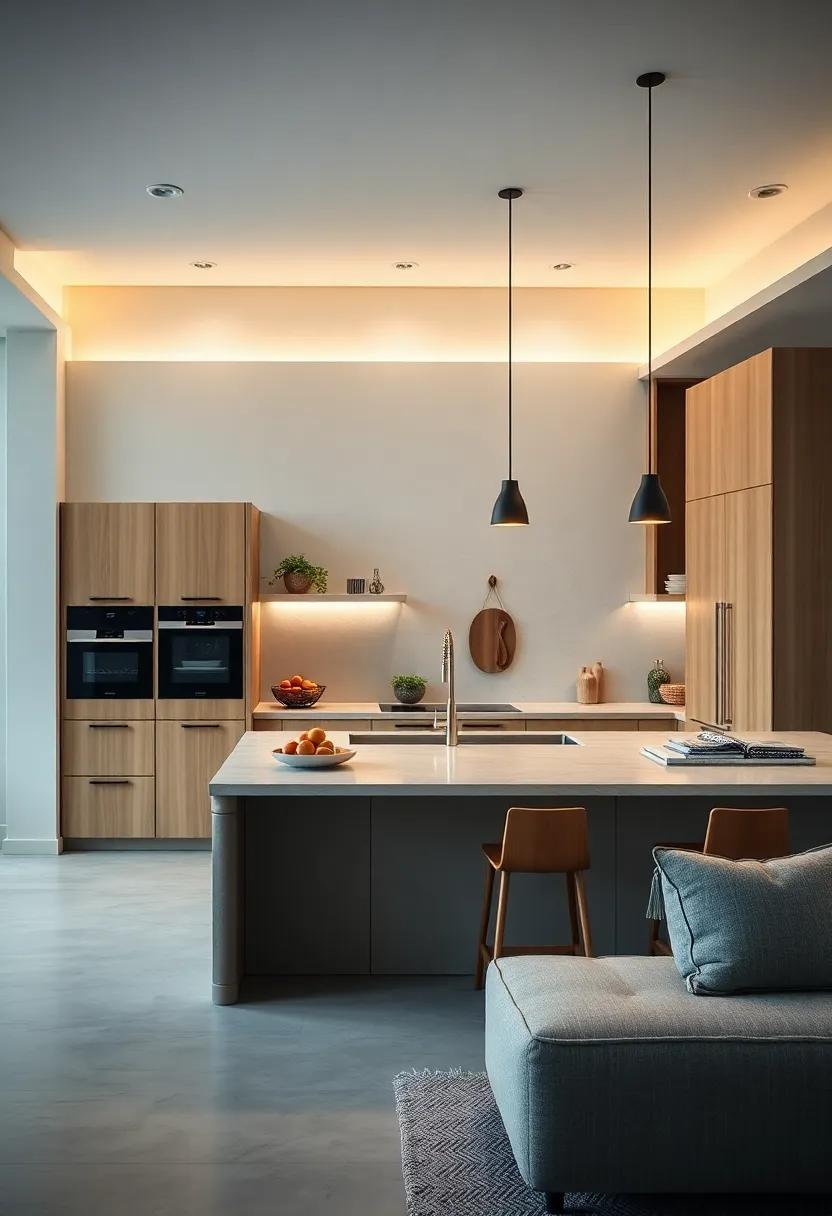
in a Japandi kitchen, the island serves as the heart of the space, effortlessly fusing functionality with aesthetic appeal. Opt for a kitchen island that features clean lines and natural materials, such as light wood or stone, ensuring it feels integrated with the surrounding décor. Additionally, the island can double as a dining area, so consider a design that incorporates comfortable seating to invite social interactions. This versatile element can also be equipped with extra storage solutions, maintaining the minimalist ethos while providing practical space for culinary essentials.
To enhance the seamlessness of the kitchen island,visualize it in a harmonious color palette. Look for finishes that evoke tranquility, such as soft grays or muted earthy tones, which complement the overall theme of the kitchen. Lighting plays a vital role in elevating this space, so consider adding pendant lights above the island that reflect the simplicity of Japandi design. Here are some key features to explore when choosing the perfect kitchen island:
| feature | Description |
|---|---|
| Material | Light wood or stone finishes |
| Seating | Integrated stools or benches |
| Storage | Hidden compartments for minimal clutter |
| Lighting | Pendant lights that enhance simplicity |
Mix textures by pairing smooth countertops with rugged wood surfaces, adding depth to your minimalist aesthetic
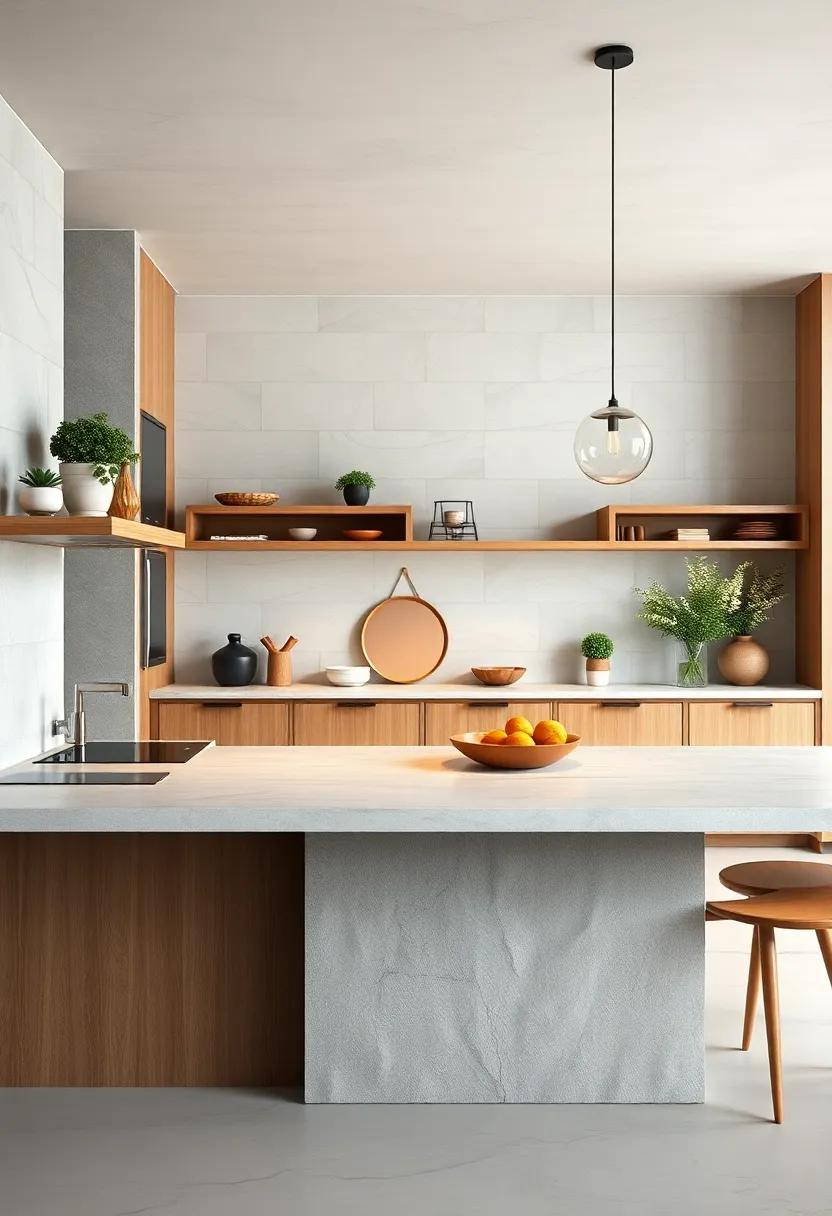
Creating a visual dialogue between sophistication and warmth can elevate your Japandi kitchen design. Combining sleek, smooth countertops with rugged wood surfaces introduces an exciting contrast that draws the eye and invites touch.Imagine a large, polished stone island paired with reclaimed wood shelves that tell a story of age and character.This mix not only enhances the aesthetics but also adds layers of functionality, making your kitchen a welcoming space for both cooking and gathering. The juxtaposition of materials can evoke a sense of tranquility, capturing the essence of minimalism by stripping away excess while emphasizing nature’s beauty.
To achieve a cohesive look, consider implementing a few thoughtful elements:
- Natural Finishes: opt for wood finishes that maintain their authenticity, such as raw or matte stains, to harmonize with the sleekness of your countertops.
- color palette: Stick to neutral tones that resonate with both textures, like soft grays, rich browns, or creamy whites, ensuring the overall palette feels unified.
- Functional Decor: Incorporate wooden serving platters or utensil holders that resonate with the countertop material to enhance the aesthetic without cluttering the visual space.
| Countertop Material | Wood Type | Texture Contrast |
|---|---|---|
| Marble | Teak | Smooth vs. Textured |
| Granite | Oak | Polished vs. Natural |
| Quartz | Walnut | Sleek vs. Rustic |
Select energy-efficient appliances with a brushed metal finish to maintain a clean look while prioritizing sustainability
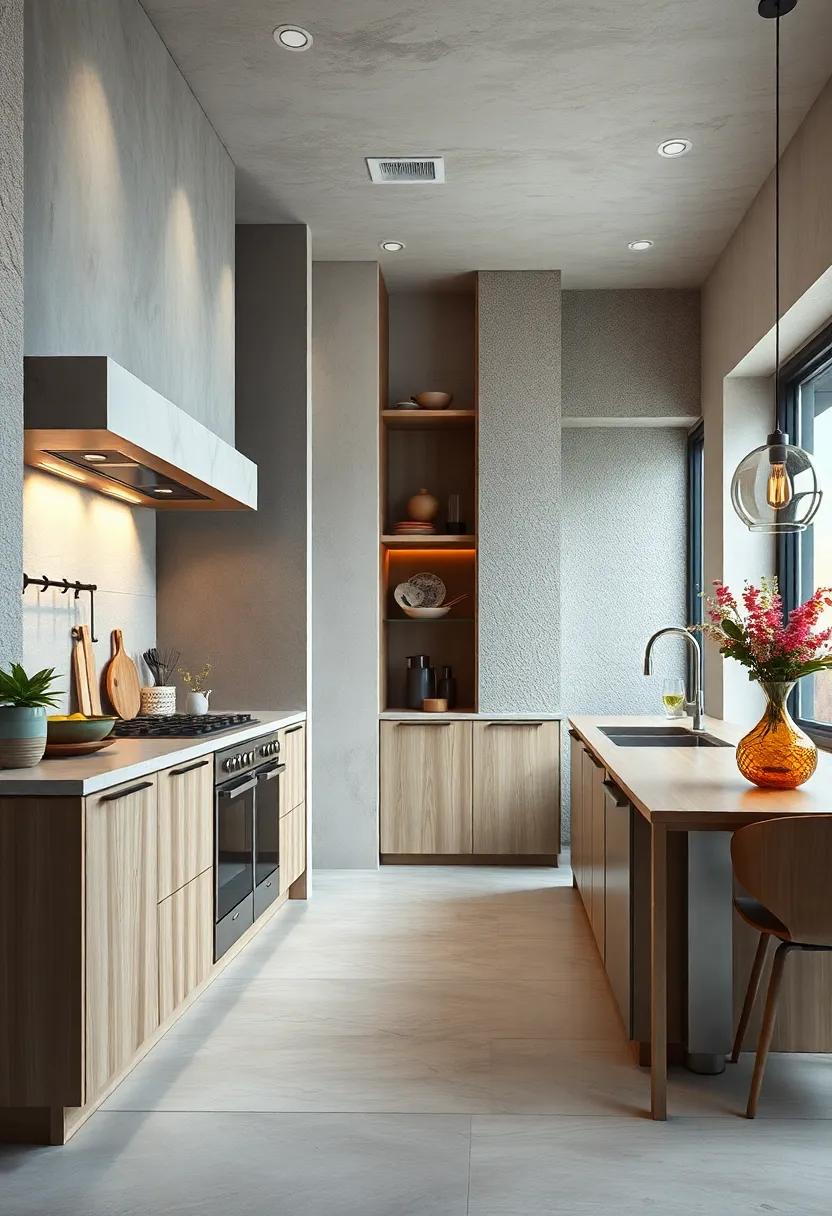
In a Japandi kitchen, where minimalism meets functionality, selecting the right appliances can greatly enhance the overall aesthetic. opting for energy-efficient models not only lowers your utility bills but also aligns with sustainable living practices. When choosing appliances, a brushed metal finish strikes the perfect chord, offering a sophisticated elegance while being easy to clean. This sleek look seamlessly integrates with natural wood and muted color palettes common in Japandi design, ensuring your kitchen remains uncluttered and visually appealing.
Consider these energy-efficient appliances when designing your space:
- Refrigerators: Look for models featuring smart technology that monitors energy use.
- Dishwashers: Select those with eco-wash settings to reduce water and energy consumption.
- Ovens: Invest in convection ovens that cook food evenly while using less energy.
- Washers and Dryers: Front-loading machines generally use less water and energy than their top-loading counterparts.
To help you choose, here’s a simple comparison of some standout options:
| Appliance | Energy Star Rating | Brushed Metal Finish |
|---|---|---|
| LG Refrigerator | 4.5 stars | Yes |
| Bosch Dishwasher | 5 stars | Yes |
| Panasonic Convection Oven | 4 stars | Yes |
| Samsung Washer/Dryer Combo | 4.5 stars | Yes |
decorate with lush green plants,introducing life and color into the space without overwhelming its simplicity
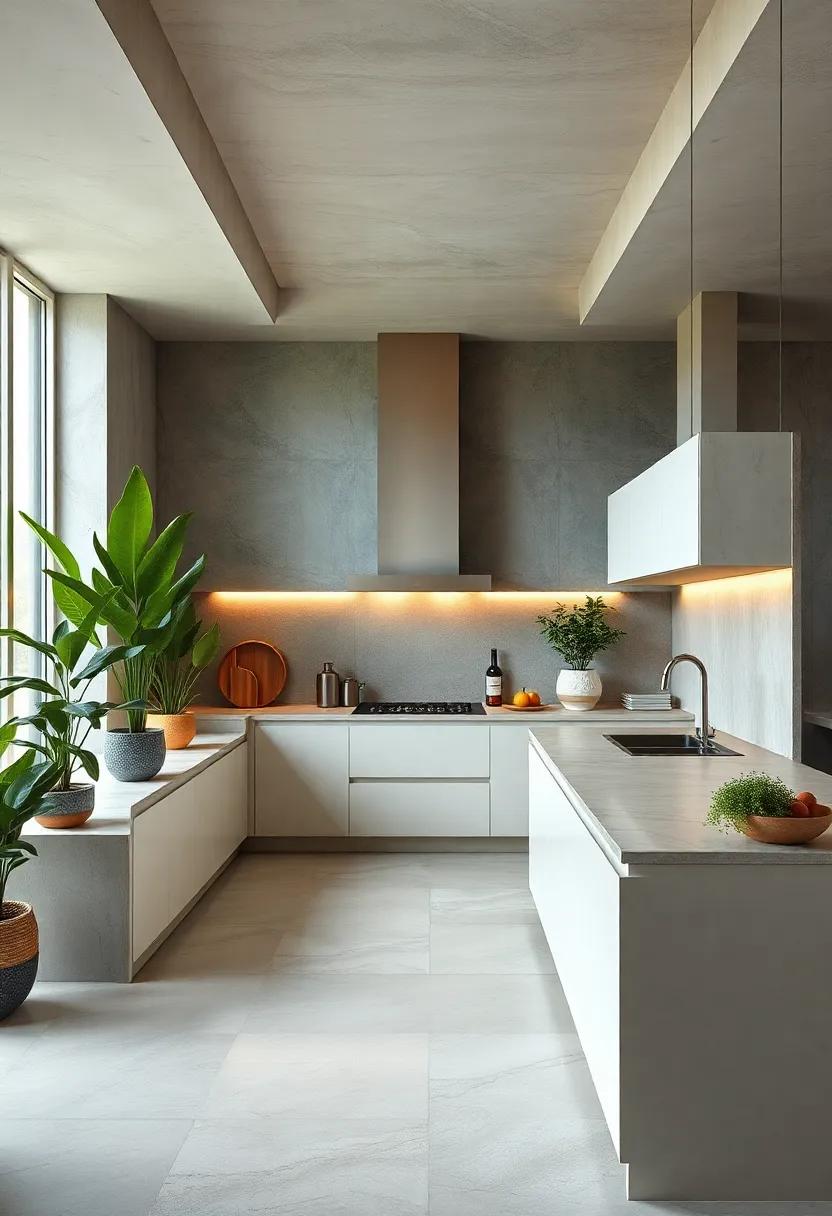
Bringing the outdoors in is a fantastic way to enhance a Japandi kitchen’s serene design. With their minimalistic aesthetic, lush green plants can act as both decorative elements and natural air purifiers.Consider using varieties like snake plants,pothos,or peace lilies,which thrive in indirect light and require minimal care. These plants not only introduce vibrant hues to your kitchen but also lend a sense of tranquility,allowing the carefully crafted lines and textures of your space to shine through.
To maintain the essence of simplicity while adding greenery, opt for sleek pots that complement your color palette—think muted tones or earthy materials. Styling plants on floating shelves or windowsills keeps surfaces clear while still inviting nature indoors. You can even create a small herb garden with fragrant varieties like basil and mint, easily accessible for your culinary adventures.This not only fills your kitchen with life but integrates functional elements that enhance your cooking experience.
Opt for geometric tile patterns in your backsplash, adding visual interest while adhering to the Japandi ethos of understated elegance
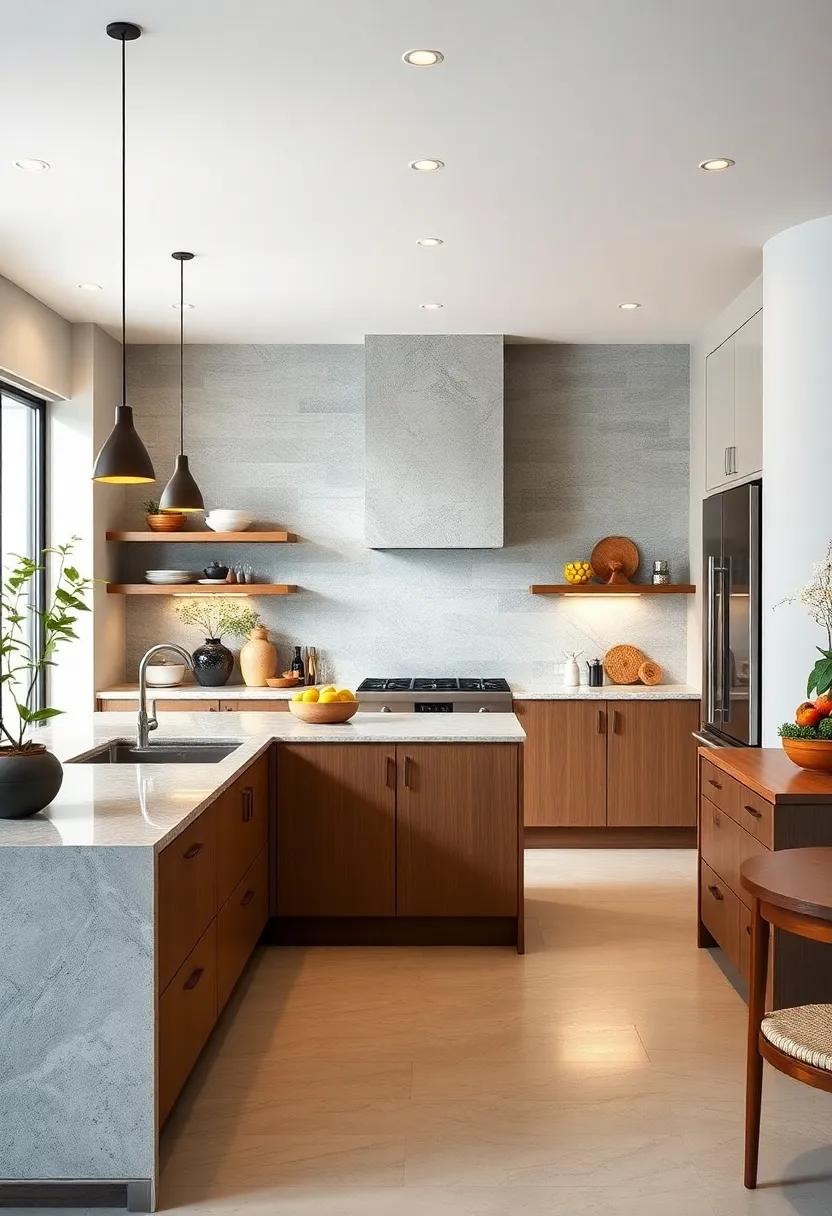
Geometric tile patterns can transform your kitchen backsplash into a captivating focal point while maintaining the serene aesthetics that define Japandi design. These patterns, with their clean lines and subtle repetition, evoke a sense of order and tranquility, harmonizing beautifully with the minimalist ethos. Consider herringbone,hexagonal,or zigzag layouts that introduce texture and depth without overwhelming the space. The use of muted colors—such as soft greys, gentle whites, and earthy tones—can enhance the feeling of understated elegance, blending seamlessly with natural wood elements and other organic materials characteristic of Japandi style.
To further elevate your backsplash, you might explore the use of contrasting grout colors that define the shapes yet keep the overall look refined. This technique can draw the eye, presenting an artful interplay of light and shadow while still adhering to a minimalist approach. To inspire your selection, here are three popular geometric patterns ideal for a Japandi kitchen:
| Pattern | Material | Color Palette |
|---|---|---|
| Herringbone | Ceramic | Soft White, Pale Grey |
| Hexagonal | Porcelain | Earthy Beige, Charcoal |
| Zigzag | subway tiles | Muted Green, Off-White |
Utilize translucent window treatments to let natural light filter in, enhancing the airy feel of your kitchen
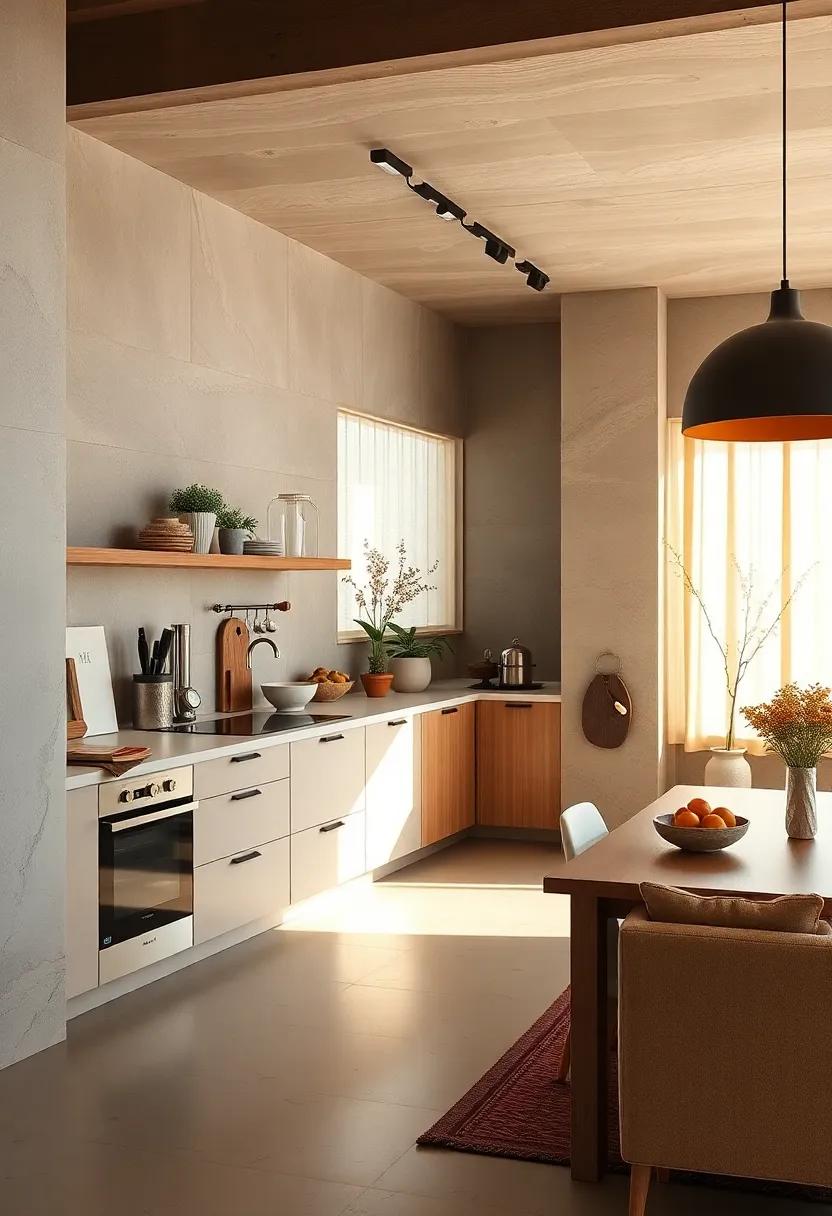
In a Japandi kitchen, translucent window treatments are your best friends when it comes to embracing natural light. These ethereal coverings not only soften harsh sunlight but also maintain a sense of openness, creating an inviting atmosphere that perfectly blends functionality with aesthetic appeal. Consider options such as sheer curtains or frosted blinds that allow sunlight to cascade into your space while preserving your privacy. Through the subtle play of light and shadow, these treatments highlight the kitchen’s minimalist design and create a harmonious balance between indoor and outdoor living.
To maximize the airy feel of your kitchen, think about the following choices:
- Sheer Roller Shades: Simple and elegant, they provide a smooth silhouette while diffusing light beautifully.
- Linen Curtains: Their natural texture and light color contribute to a relaxed vibe, perfectly aligning with Japandi aesthetics.
- Venetian Blinds: Opt for light-colored options that can be easily adjusted to control light levels while offering a clean look.
Integrating any of these elements into your kitchen not only enhances the overall design but also uplifts your mood, creating a calming retreat where cooking becomes a pleasure.
Implement minimalistic hardware on cabinets and drawers, using discreet pulls that do not detract from the overall design
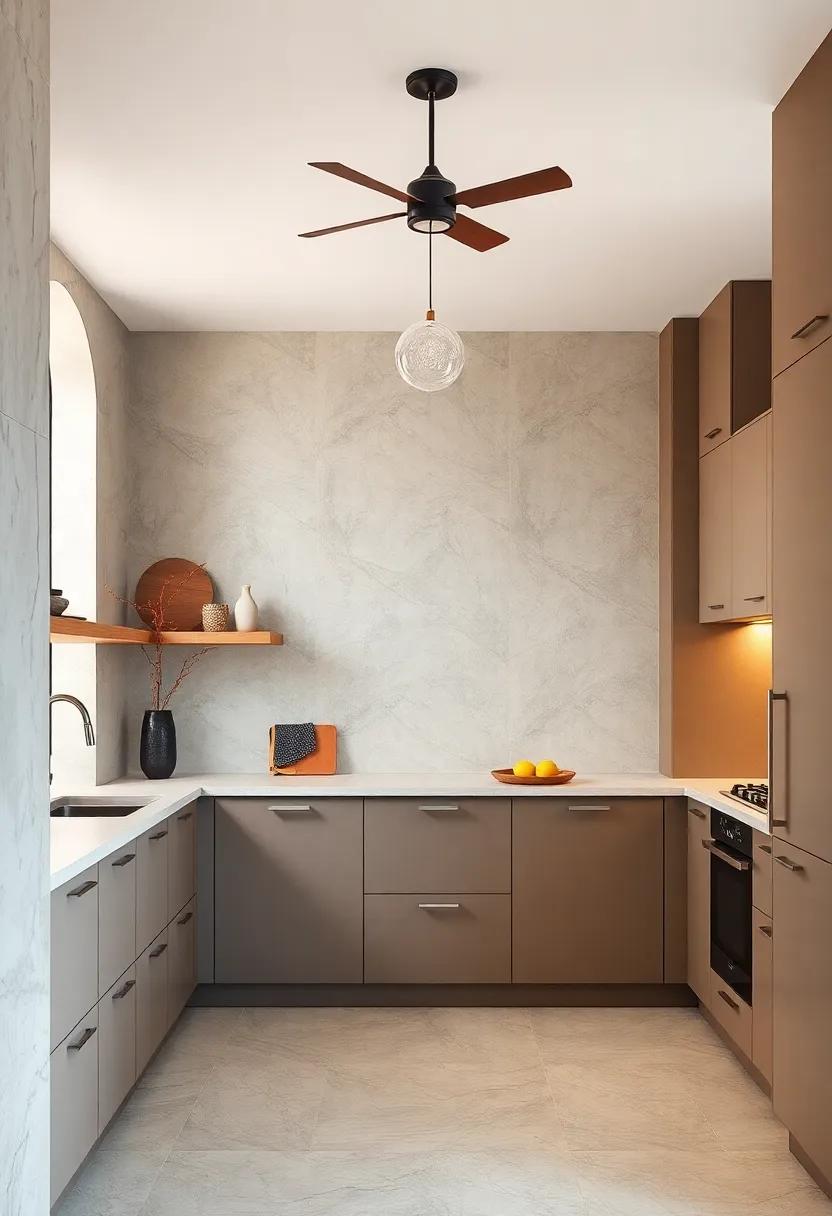
Embracing deep-rooted simplicity in your kitchen can elevate your space to new heights of elegance.Opt for discreet hardware that seamlessly blends into cabinet and drawer fronts, creating a visual experience devoid of distractions. Consider styles such as recessed or integrated handles that maintain a clean silhouette, allowing the beauty of natural materials and thoughtful craftsmanship to take center stage.The use of finishes like brushed nickel or matte black can contribute to a sophisticated aesthetic while ensuring functionality remains uncompromised.
For those who favor a more personalized touch, minimalistic pulls offer a perfect compromise between style and utility. When selecting pulls, choose shapes and sizes that echo the forms found throughout your kitchen. this can include:
- Long,slender bar pulls that elongate the cabinetry
- Subtly curved handles that echo organic shapes
- Flat edge grips integrated into the cabinetry itself
Tall cabinetry can also benefit from vertical pull placements,enhancing the clean lines while allowing for ease of use. The goal is to instil a sense of harmony throughout, ensuring that every design element contributes to a cohesive and tranquil environment.
Create a cozy nook with a small wooden dining table and simple chairs, inviting warmth and intimacy to mealtime
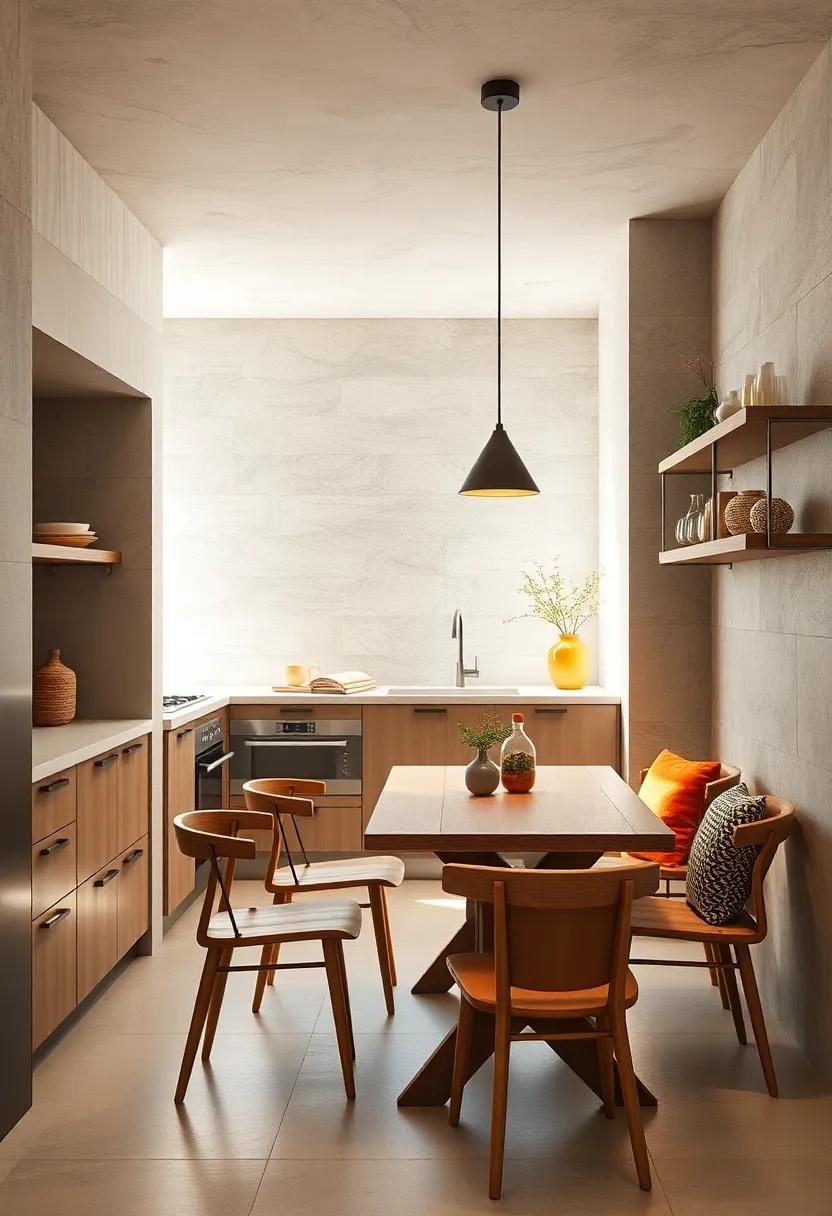
Transform your kitchen into a serene haven by incorporating a small wooden dining table paired with simple chairs. This minimalist arrangement not only maximizes functionality but also creates an intimate atmosphere that’s perfect for mealtime gatherings. Opt for a table made from natural wood, showcasing its beatiful grain, which naturally brings warmth into the space. With the right lighting,such as soft pendant lights or strategically placed candles,your nook can become a corner of comfort,enticing you and your guests to linger over meals and conversations.
To enhance this cozy setup, consider the following elements that can elevate the ambiance further:
- Textured textiles – Add a chic table runner or some plush cushions to the chairs.
- Greenery – Incorporate a small potted plant or vase of fresh flowers for a pop of color.
- Layering – Use woven placemats to contrast with the smooth surface of the table.
Such thoughtful details interspersed throughout the space not only highlight the elegant design but also invite warmth and togetherness, turning every meal into a cherished occasion.
Choose a soft,neutral palette for linens and textiles,creating a cohesive look that evokes tranquility throughout the kitchen
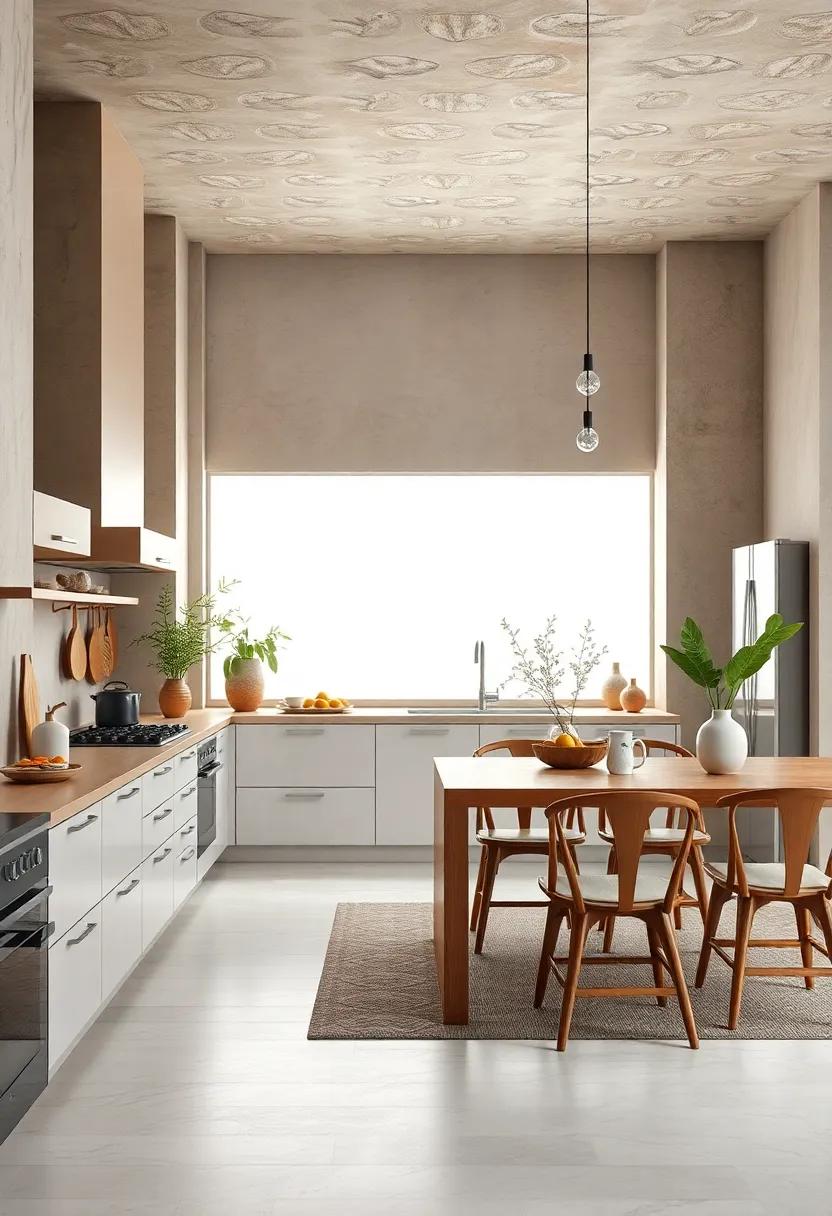
To achieve a serene atmosphere in your Japandi kitchen, opt for linens and textiles in a soft, neutral palette. Shades like muted beige, pale grey, and gentle ivory can enhance the calming vibe of your space. Consider incorporating these elements:
- Tablecloths: A light linen tablecloth provides an elegant foundation for your dining area.
- Dish Towels: Choose organic cotton towels in subtle tones to maintain harmony while being functional.
- Chair Cushions: Soft, upholstered cushions in earthy hues invite comfort and add visual softness.
- Window Treatments: Light-filtering sheer curtains can create a bright and airy feel.
Mixing different textures within this palette can subtly elevate your kitchen’s aesthetic.Soft-knit placemats paired with smooth ceramic dishes can create depth while echoing the foundational principles of minimalism. Here’s a quick guide on how to mix and match these elements:
| Textile | Suggested Color | Texture |
|---|---|---|
| Table Runner | Soft Sand | Linen |
| Napkins | Pale Mist | Cotton |
| Apron | Light Taupe | Canvas |
| Basket Liners | Muted Blush | Jute |
Invest in quality kitchen tools that are both beautiful and functional, emphasizing the Japandi style of thoughtful living
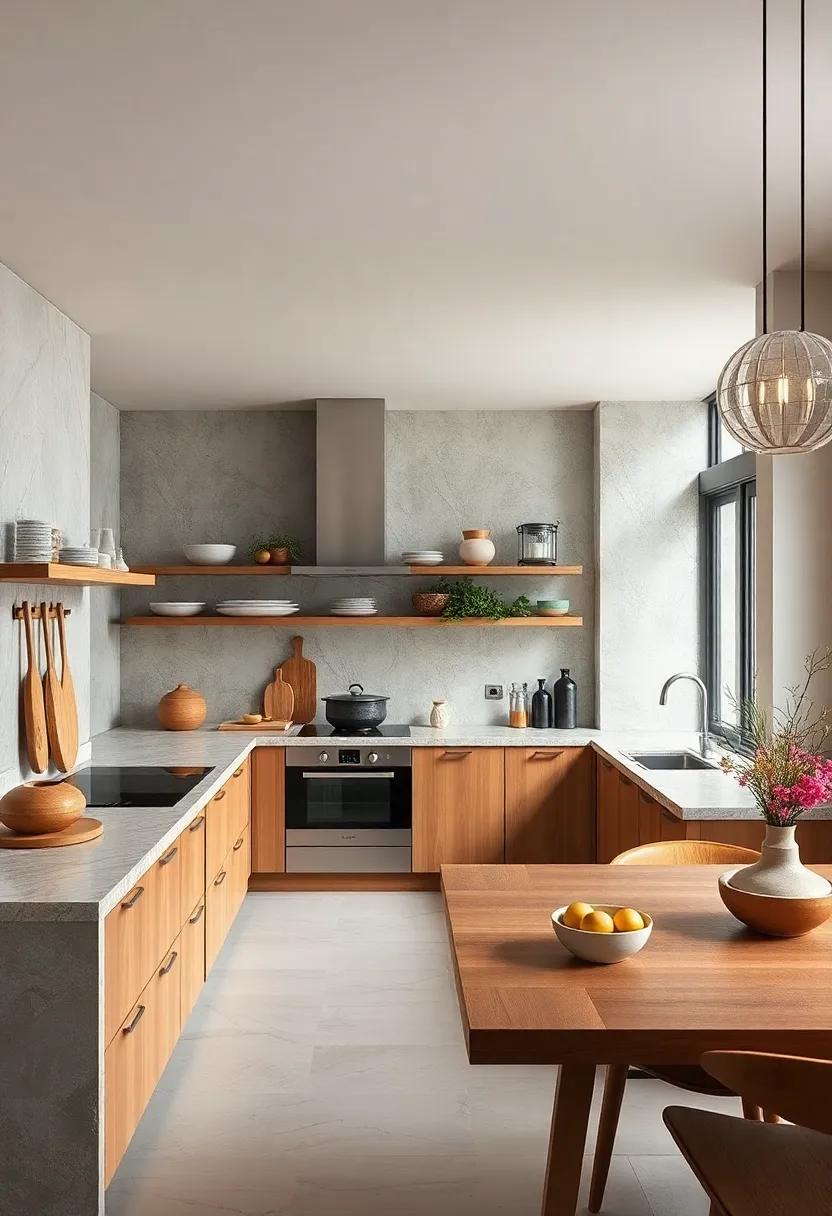
To create a kitchen that radiates the essence of Japandi style, invest in kitchen tools that marry form and function beautifully. Look for pieces that highlight elegant lines and natural materials,ensuring they are not only effective in use but also serve as stunning decor. Consider items such as:
- Handcrafted Wooden Utensils: Opt for bamboo or maple utensils that are durable and visually warm.
- High-Quality Knives: A perfectly balanced chef’s knife can elevate culinary tasks while remaining a statement piece on your countertop.
- Stone Cookware: Embrace the aesthetics of natural stone like granite or slate,which offer unique textures alongside practical uses.
- Woven Storage Baskets: Utilize baskets made from natural fibers to keep your workspace tidy while adding an organic touch.
When selecting your kitchen tools, prioritize versatility to maintain a clutter-free environment. Evaluate potential additions for their aesthetic appeal and functionality, ensuring each piece serves as an asset in your culinary endeavors. Aesthetically pleasing appliances not only enhance your cooking experience but also breathe life into your kitchen’s design:
| Tool | Material | Function |
|---|---|---|
| Cast Iron Skillet | Cast Iron | Versatile cooking & beautiful seasoning |
| Japanese Cutting Board | Bamboo | Durability & reduces knife wear |
| Stone Mortar and Pestle | Granite | Effortless grinding & added natural elegance |
Consider a hidden pantry door that blends with cabinetry, keeping the space organized and visually appealing
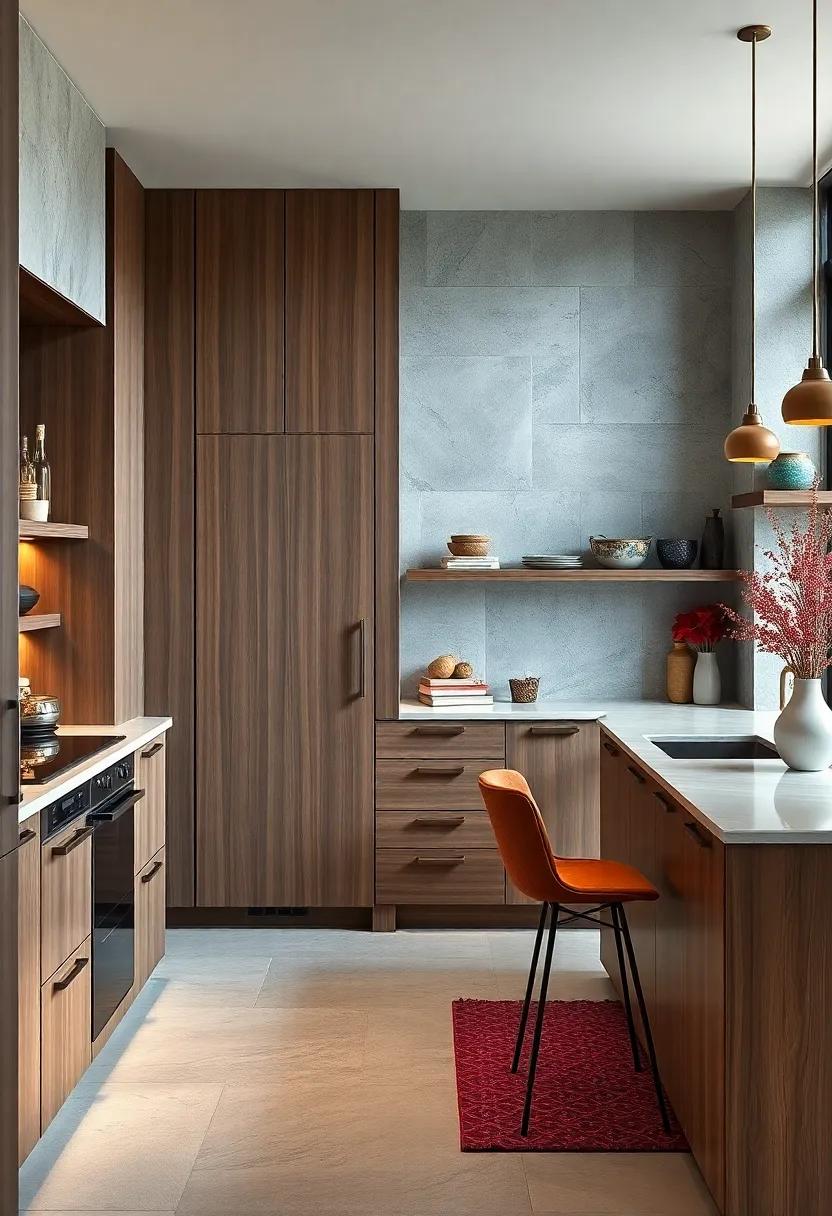
One of the most striking features of a Japandi kitchen is the seamless integration of a hidden pantry door, camouflaged beautifully within the cabinetry. This design choice not only maximizes the aesthetic appeal but also enhances the functionality of the kitchen space. By opting for a door that mirrors the cabinetry, you create a cohesive look that promotes a tranquil and organized environment. Consider the following elements to achieve this flawless design:
- Matching Finishes: Use the same wood grain or paint color as the surrounding cabinets.
- Minimal Hardware: Choose discreet handles or push-to-open mechanisms for a sleek profile.
- Vertical Lines: Incorporate vertical panel designs that extend from the pantry door to the adjacent cabinets for visual continuity.
A hidden pantry door can be more than just a functional element; it can become a design statement when executed thoughtfully. With the right blend of materials and finishes, it can complement various kitchen styles while maintaining a minimalist aesthetic. to guide your design choices, consider the following table that highlights material recommendations and their corresponding benefits:
| Material | Benefits |
|---|---|
| Natural Wood | Warmth and texture that enhances a cozy feel. |
| Matte Finish | Elegant look that minimizes fingerprints and smudges. |
| Eco-amiable Materials | Supports sustainability while adding character. |
play with open and closed storage to balance accessibility with the need for a clutter-free environment
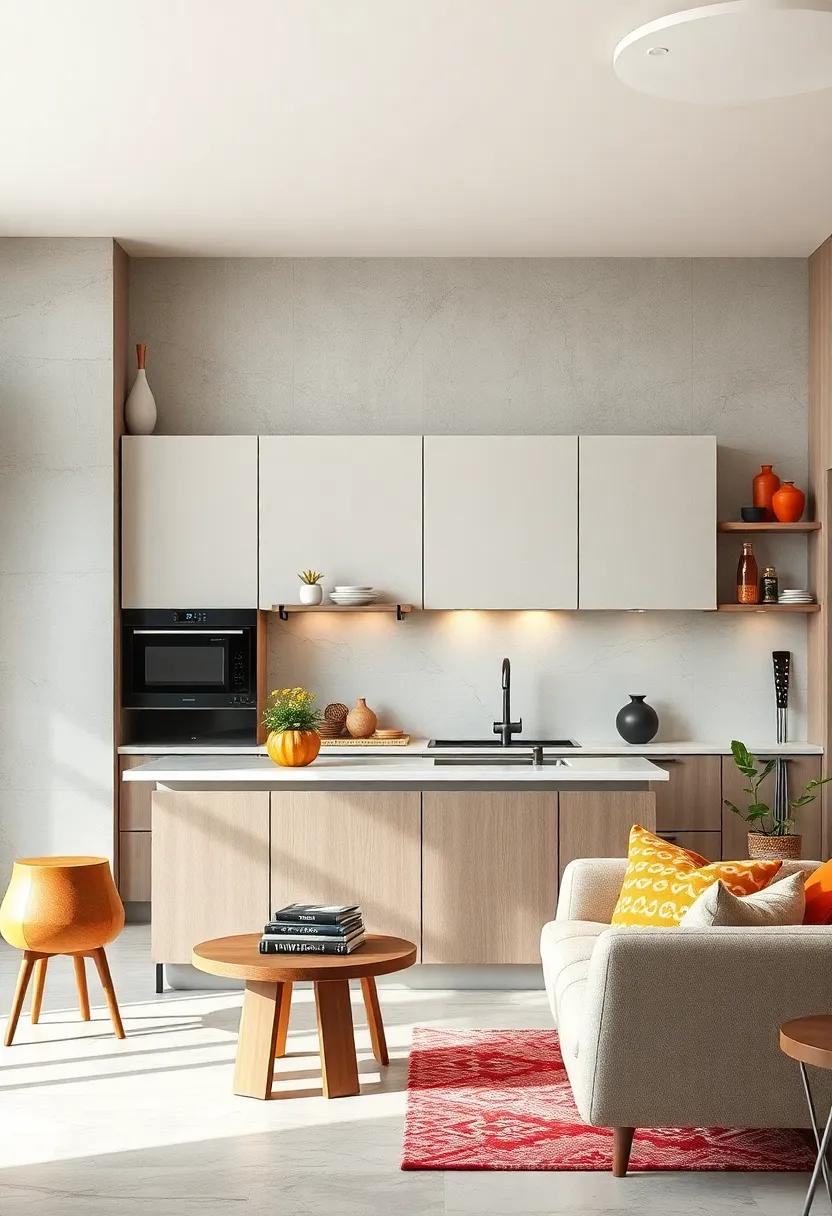
In a Japandi kitchen, achieving a harmonious balance between aesthetics and functionality is essential.Open storage elements like sleek shelving or minimalist racks can create a sense of spaciousness while displaying beautiful kitchenware. Consider utilizing natural materials such as wood or metal that blend seamlessly with the overall style. By showcasing only a curated selection of dishes or plants, you can invite personality into the space without overwhelming it. Increase visual interest by incorporating varied heights and shapes, creating an eye-catching focal point that enhances the clean lines characteristic of Japandi design.
In contrast, closed storage solutions help to maintain a clutter-free environment, essential for the minimalist philosophy of Japandi. Think about incorporating fitted cabinetry that offers a seamless finish, utilizing soft close mechanisms for a touch of luxury. When planning your storage,consider including subtle hardware or textural contrasts like matte vs. glossy finishes to keep things visually intriguing. Though,ensure these spaces remain accessible by integrating pull-out or pull-down mechanisms for easy reach.By thoughtfully blending both open and closed storage, your kitchen can achieve that serene yet functional aesthetic that defines Japandi style.
Use asymmetrical layouts to break away from traditional designs,promoting a modern yet functional kitchen flow
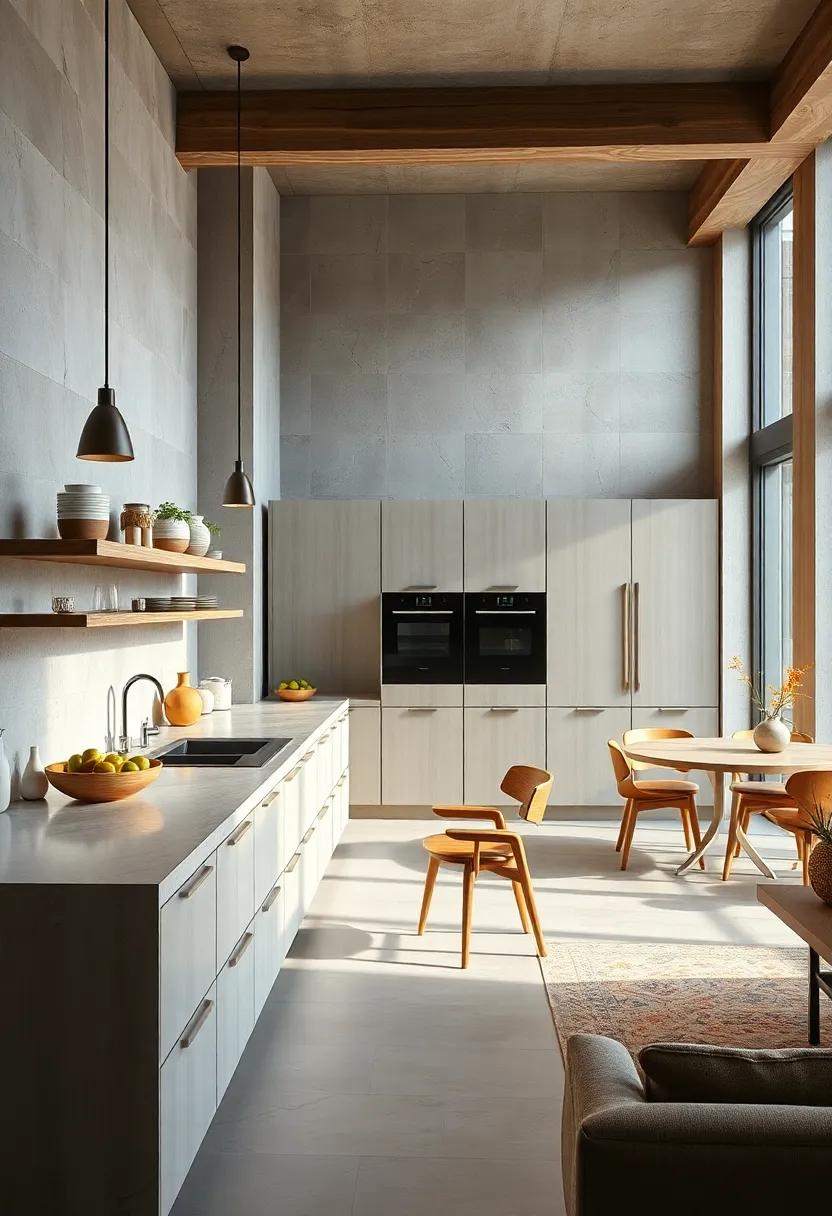
Asymmetrical layouts serve as a brilliant way to shatter the confines of traditional kitchen designs, inviting a fresh and modern approach. By intentionally breaking the mold, these layouts encourage a natural flow within the space, allowing for elements to breathe and interact seamlessly.an asymmetrical approach provides opportunities to play with negative space, where less becomes more. Consider creating a visually appealing island that shifts off-center, pairing it with staggered shelving and unconventional cabinetry placements. This technique not only adds an artistic flair but also enhances functionality by creating zones for cooking, dining, and social interactions.
The beauty of this approach lies in its versatility, making it adaptable to various kitchen sizes and styles.Large kitchens can embrace this layout by incorporating multi-level countertops, while smaller spaces can benefit from built-in appliances that are artfully arranged to create a striking focal point. integrating different textures and materials, such as sleek metal accents contrasted with warm wood grains, can further accentuate the asymmetry. here are some ideas to inspire your next design:
- Floating shelves at varying heights for unique display options.
- mismatched bar stools around a non-linear kitchen island.
- Off-center lighting fixtures that draw the eye upward.
| Feature | Benefit |
|---|---|
| Irregular cabinetry | Creates visual intrigue |
| Multiple work zones | Enhances efficiency |
| Distinct styles | Showcases personal taste |
Introduce a vintage piece or an antique find to add charm and personal history to your minimalist setup
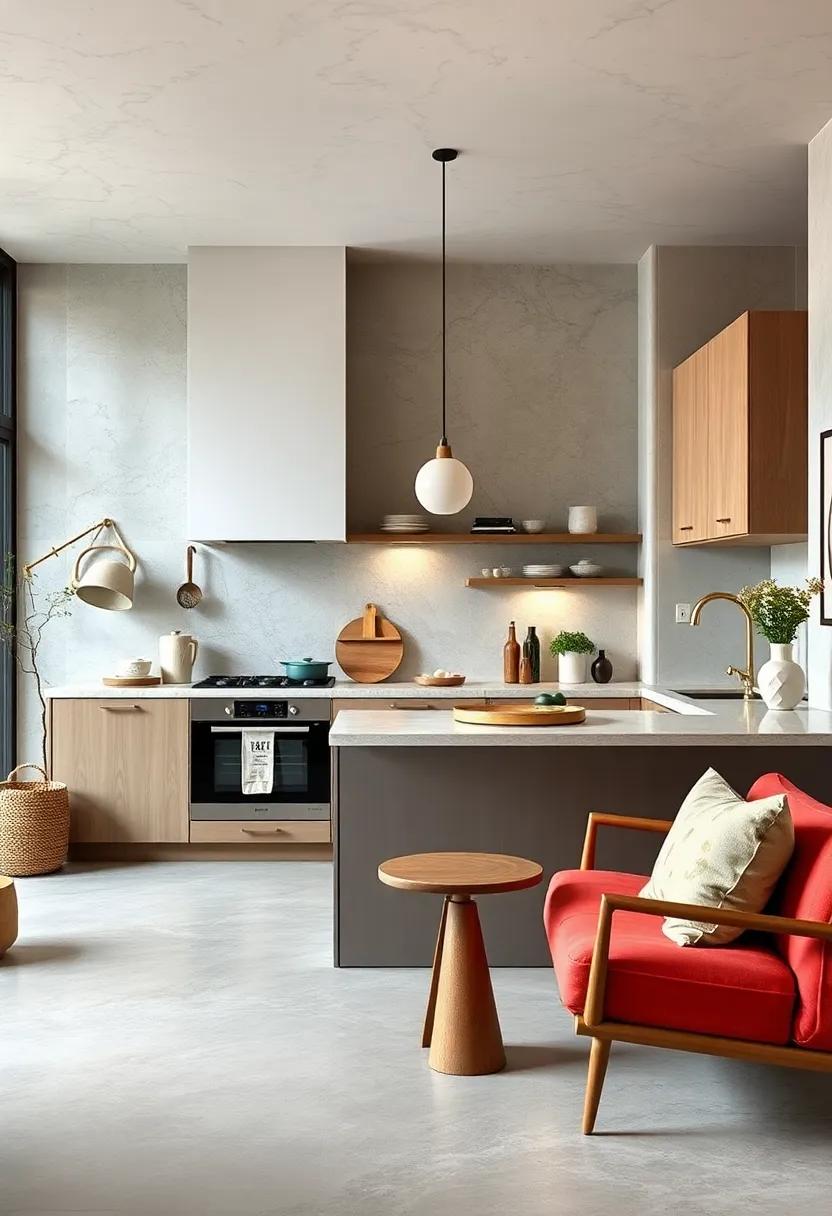
Integrating a vintage piece or an antique find into your kitchen can effortlessly add a layer of charm and personal history to your minimalist setup. Imagine an old wooden cutting board, with its rich patina and unique grains, resting on a clean, white countertop. This choice not only serves a functional purpose but also becomes a conversation starter that invites warmth into the otherwise sleek design. Antique jars or vintage ceramics can be displayed on open shelves, softly breaking the rigidity of clean lines while providing a nostalgic touch.Consider showcasing items like:
- Rustic glass cloches filled with seasonal fruits or dried herbs
- An old kitchen scale to weigh ingredients with style
- Handcrafted pottery used as planters for herbs or succulents
To further enhance your minimalist design, choose pieces that tell a story or hold sentimental value. This could be a family heirloom passed down through generations, evoking memories of shared meals and laughter. You can also think about incorporating a small, curated display of antique utensils or vintage cookbooks in a dedicated nook, balanced with contemporary dishware for an intentional blend. Here’s a simple table that captures timeless finds and their potential roles:
| Antique Find | Potential Use |
|---|---|
| Cast Iron Skillet | Cooking staple with character |
| Vintage Tins | Charming storage for baking essentials |
| Old recipe Box | Display family recipes with flair |
Frame your view with oversized windows, inviting the essence of the outdoors into your kitchen design
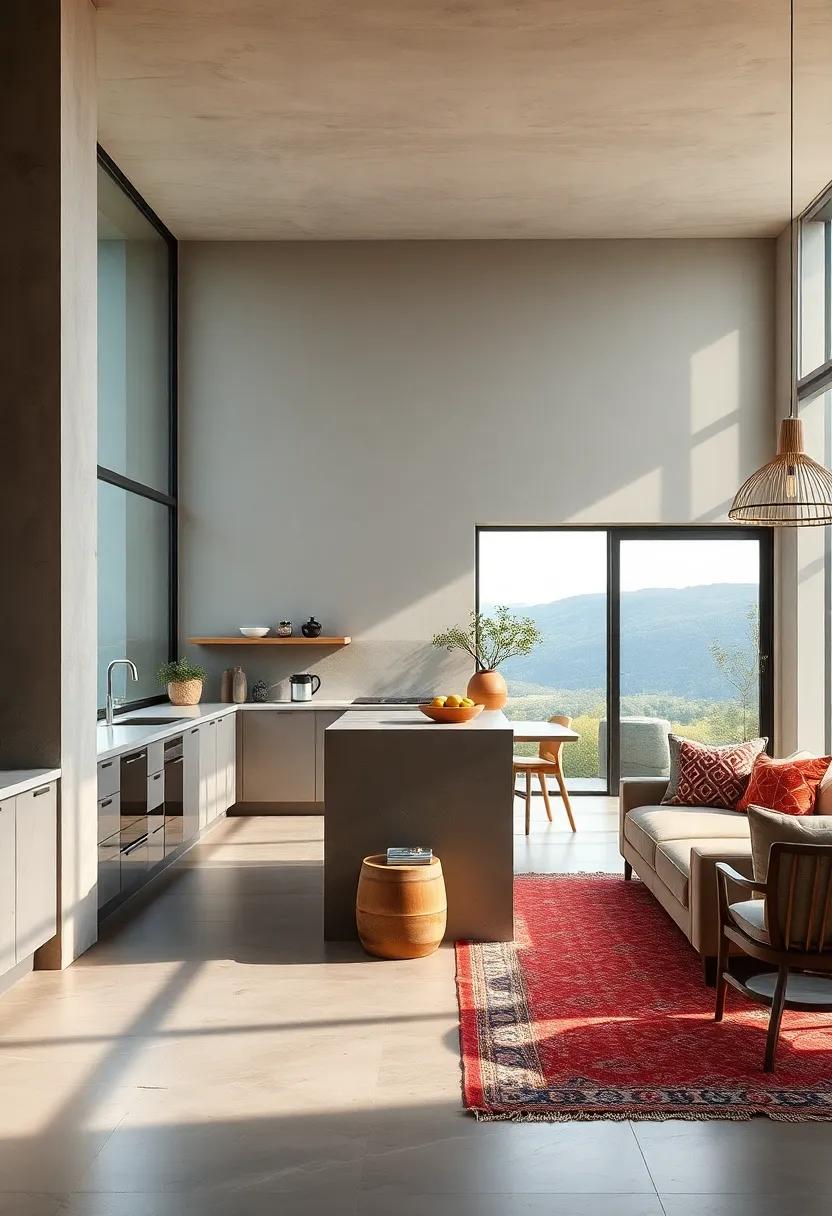
Oversized windows not only serve as breathtaking focal points in a Japandi kitchen but also seamlessly merge indoor and outdoor spaces. These expansive panes of glass allow for an abundance of natural light, which is a hallmark of minimalist design, infusing your kitchen with warmth and vibrancy. the tranquil views of greenery or picturesque landscapes create a soothing atmosphere that enhances your cooking experience. Imagine preparing meals while basking in sunlight filtering through large windows, creating a serene backdrop that effortlessly reflects the balance and simplicity of Japanese and Scandinavian aesthetics.
Incorporating oversized windows can also elevate your kitchen’s functionality. Consider casement windows that open outward, allowing a refreshing breeze into your space, or floor-to-ceiling options that provide unobstructed views and easy access to outdoor dining areas.With strategic placement and framing, you can create intimate connection points with nature, blurring the lines between your cozy indoor kitchen and the vibrant outdoors. The integration might involve:
- Creating a kitchen nook surrounded by glass
- Using sliding glass doors leading to a patio
- Implementing skylights for added dimension
- Framing windows with minimalist woodwork to maintain clean lines
Keep countertops clear by integrating built-in appliances and hidden storage solutions to maintain a clean aesthetic
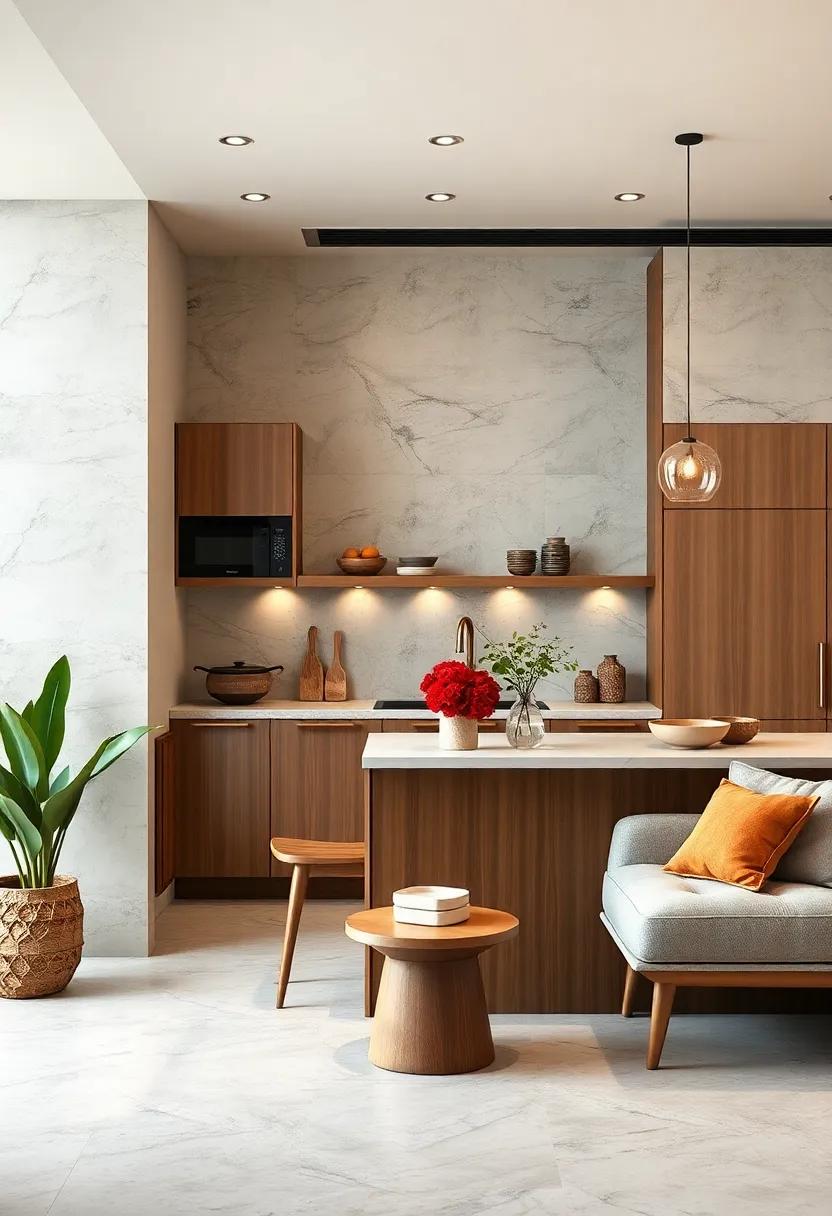
In a Japandi kitchen, the harmony between functionality and aesthetics is paramount. Say goodbye to clutter and welcome a world where built-in appliances seamlessly integrate into cabinetry. This not only provides a streamlined look but also maximizes space. Here are some innovative ideas to consider:
- Under-Counter Refrigeration: Disguising your fridge with cabinetry allows for a unified look that complements the minimalist theme.
- Hidden dishwashers: Opt for a panel-ready dishwasher that matches your cabinetry, making it practically invisible when not in use.
- Appliance Garages: Create a dedicated space for small appliances, keeping them out of sight yet easily accessible.
Beyond appliances, hidden storage solutions revolutionize how you utilize your kitchen space. Smart design principles can definitely help to conceal tools and accessories without sacrificing style. Consider incorporating:
- pull-Out Pantries: Ideal for storing spices and dry goods, these can be tucked away into cabinetry.
- Toe-Kick Drawers: These slim drawers can store baking sheets or utensils, maintaining a sleek footprint.
- under-Sink Storage: use tiered trays or pull-out bins to keep cleaning supplies organized and out of sight.
Design your kitchen with a dedicated coffee corner featuring artisanal tools that highlight your love for simplicity
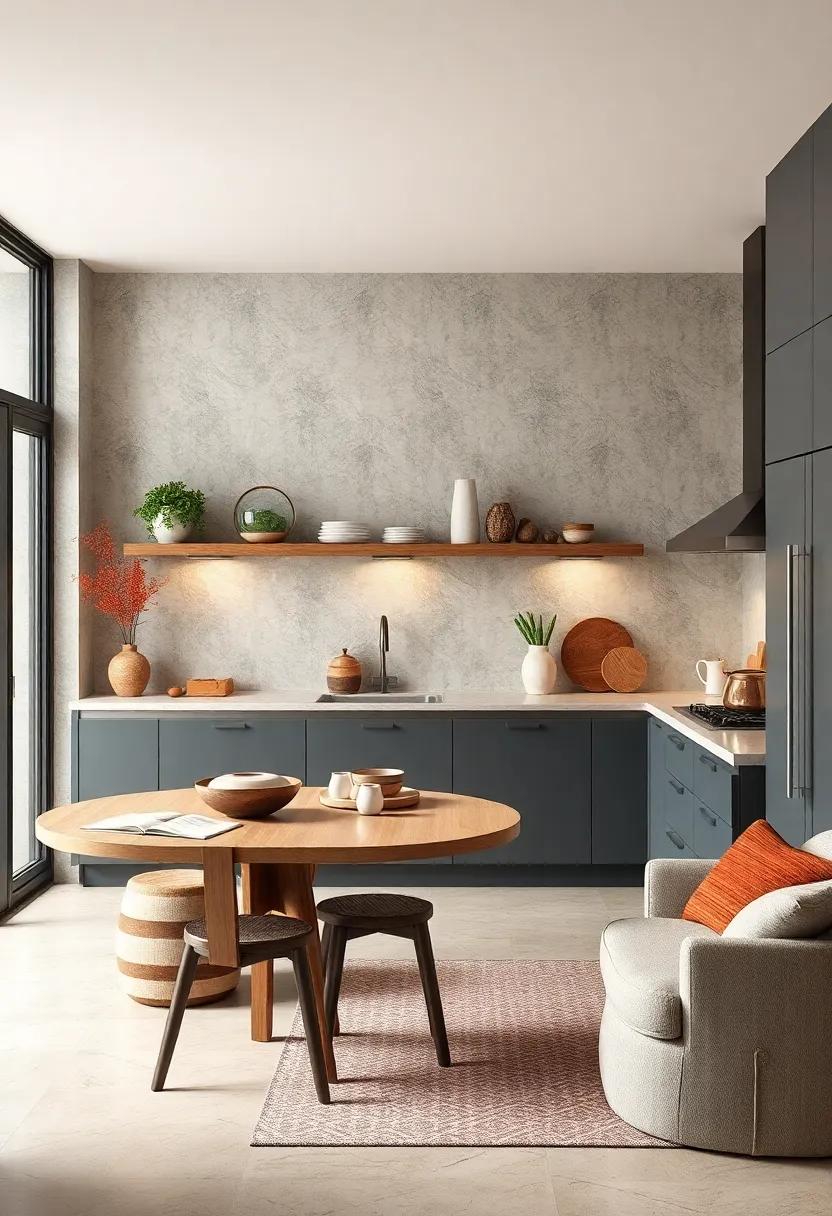
Dedicated Coffee Corner
Create a serene coffee corner that reflects your appreciation for simplicity and craftsmanship. A few carefully chosen artisanal tools can transform a mundane space into a tranquil retreat where you start and end your day with intention. Opt for a minimalist wooden shelf that displays your favorite ceramic mugs and a handcrafted pour-over coffee maker, allowing each piece to breathe and contribute to the decor without overwhelming the senses. Complement this with a sleek, high-quality grinder and a unique, hand-painted canister for your coffee beans, both of which enhance the aesthetic while serving a practical purpose.
Incorporate a small, live plant to add a touch of nature, breaking the lines of modernity with a hint of organic charm. Consider designing your coffee corner around a calming color palette—think muted greens or soft browns that harmonize with natural materials. A minimalist wall-mounted corkboard can serve as both decoration and association tool, keeping recipes or your favorite coffee-related inspirations in view. enhance the functionality of your corner with a simple, elegant stone countertop that supports not only your coffee brewing tools but also encourages mindfulness during your coffee ritual.
Select raw finishes for furniture or cabinetry to emphasize a commitment to nature and craftsmanship
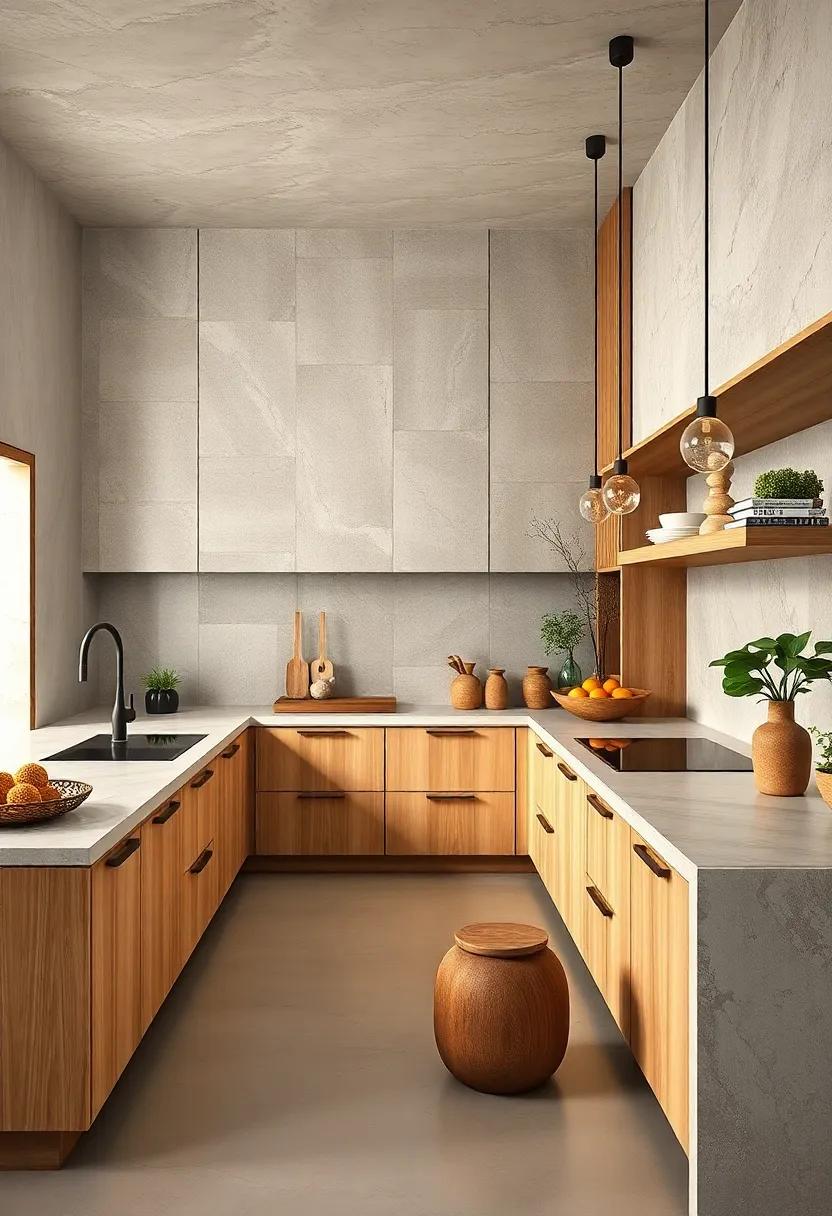
Incorporating natural materials into your kitchen design encapsulates a profound respect for the environment and the art of craftsmanship. Raw wood finishes not only evoke warmth but also highlight the unique grain patterns that tell a story of the tree from which they came. Consider using finishes like unfinished oak, reclaimed pine, or natural walnut to create a tactile experience that links the modern kitchen to its ancient roots. These materials age beautifully over time, developing a patina that adds character and depth to the space, serving as a testament to high-quality craftsmanship.
To complement the organic aesthetic, opt for stone accents that harmonize with wooden elements, such as rough-hewn marble or soapstone countertops. Their natural variations in texture and tone introduce subtle complexity to the kitchen while remaining grounded in nature. Additionally, metal hardware in brushed brass or antique finishes can enhance the rustic charm, allowing for a seamless blend of styles that adheres to the Japandi philosophy of simplicity and functionality. Pairing these materials thoughtfully will create an inviting environment that is both sophisticated and earth-friendly.
Use a combination of open and concealed storage for cooking essentials, maintaining ease of access without sacrificing design
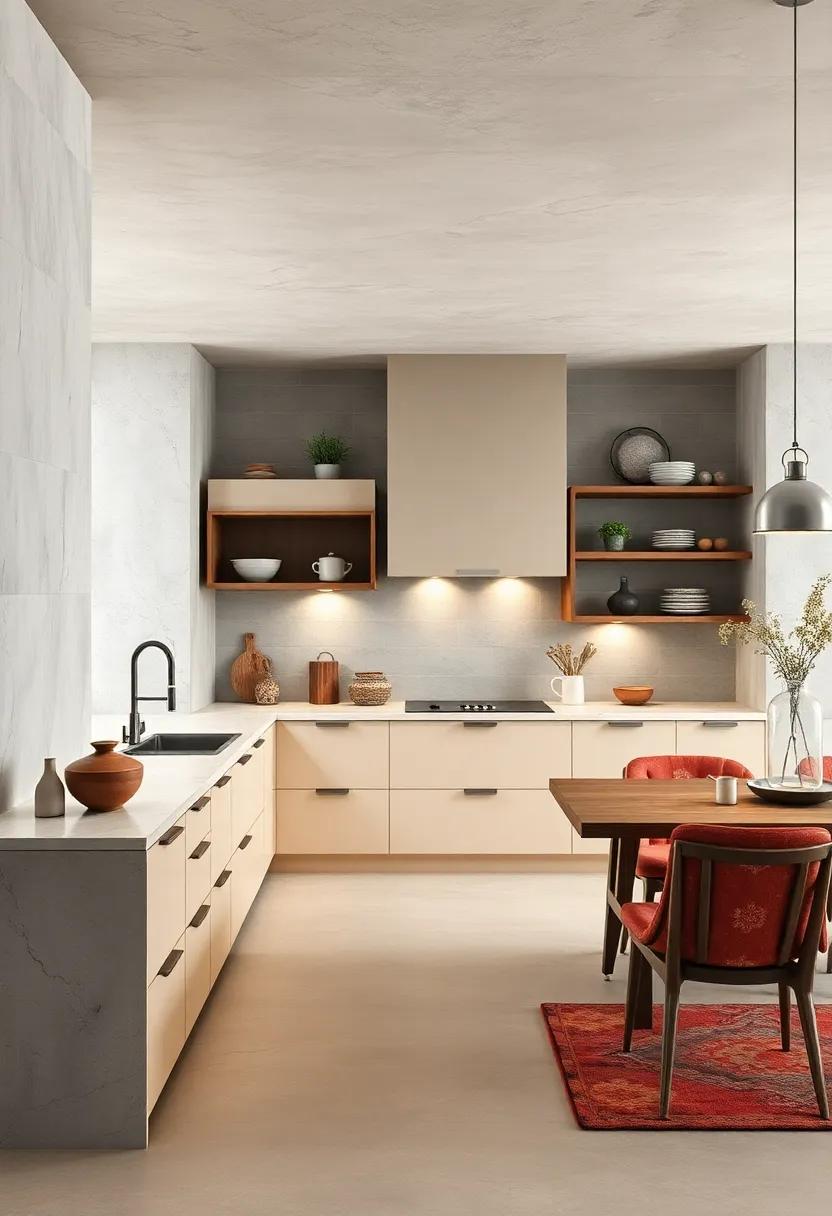
Balancing functionality and aesthetics in your kitchen can be achieved by seamlessly blending open and concealed storage solutions. Utilize open shelving to display frequently used items like beautiful dishware, spices, and jars of colorful grains. This not only fosters a sense of organization but also injects personality into the space. Additionally, consider using minimalist wall hooks for hanging pots or utensils, keeping essential tools readily accessible while enhancing the kitchen’s visual appeal. The smart arrangement of these items invites creativity and encourages cooking enthusiasm.
On the flip side,to maintain a tidy and cohesive look,incorporate closed cabinetry for larger appliances,pantry items,and less attractive essentials. Opt for sleek, handle-less cabinets that align with the overall Japandi philosophy of clean lines. This allows for a streamlined appearance devoid of clutter, providing a serene environment perfect for culinary adventures.Furthermore, using muted tones or natural wood finishes for these cabinets enhances the minimalist aesthetic while not compromising on functionality.
Hang simple art or sculptural pieces to inject personality while adhering to the minimalist philosophy
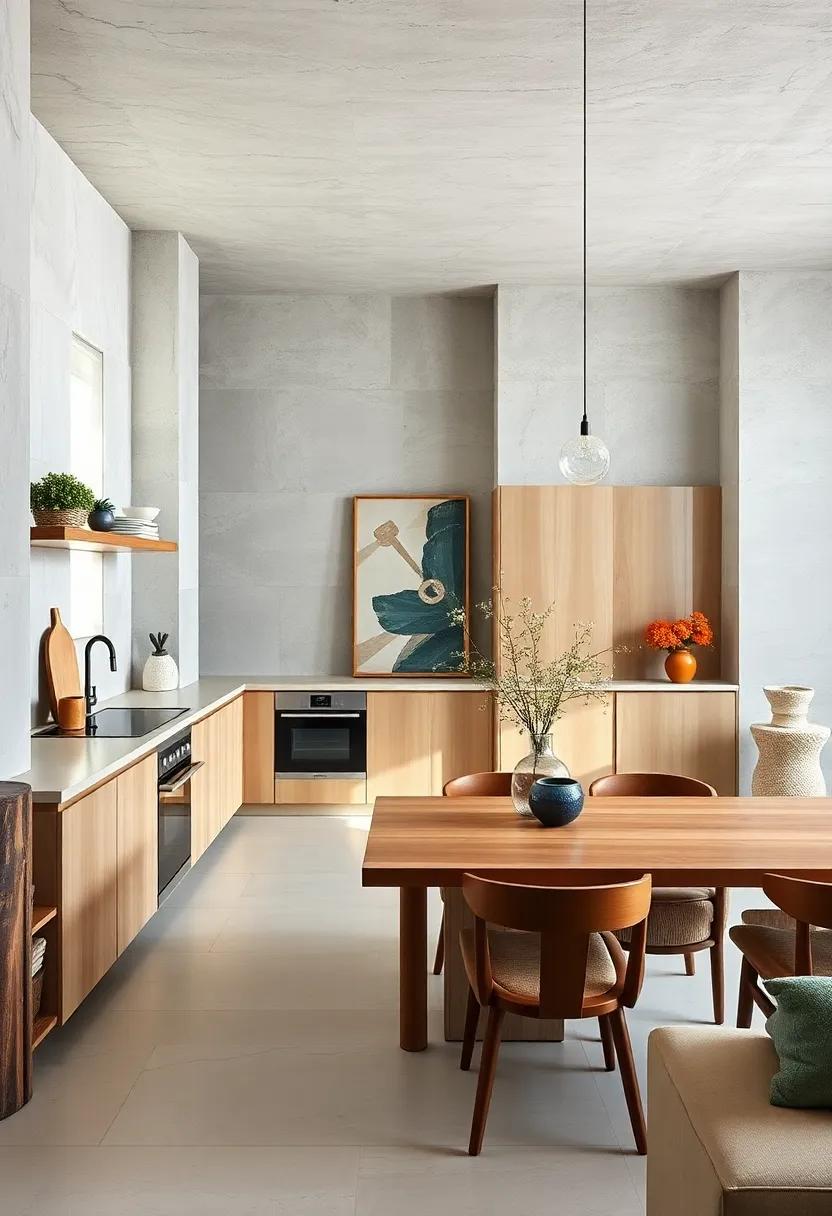
incorporating art or sculptural pieces in a minimalist kitchen doesn’t mean overwhelming the space; instead, it can create intriguing focal points without cluttering. Choose pieces that reflect your personal taste while resonating with the calm palette of Japandi aesthetics. Consider hanging abstract wall art or ceramic sculptures that have clean lines and organic shapes, allowing them to blend harmoniously with functional kitchen elements. Here are some ideas for selecting artwork:
- Color Palette: Opt for muted tones that echo the wood and neutral hues often found in Japandi interiors.
- Material Mix: Combine natural materials like clay or wood with metal for a balanced visual interest.
- Scale Play: Use one larger piece to create a striking statement or cluster smaller works for a cohesive look.
Usher in personality through the thoughtful arrangement of hanging pieces. these artworks can be elevated using minimalist frames or displayed without frames altogether for a more organic feel. Aim for locations that naturally draw the eye, such as above a simple countertop or between minimalist cabinetry. Consider this quick reference table to guide your artwork placement:
| Location | Artwork Type | Suggested Style |
|---|---|---|
| Above Counter | framed Photography | Black and white,linear |
| Between Cabinets | Ceramic Sculpture | Soft curves |
| Wall by Dining Area | Abstract Canvas | Earth tones |
Create visual continuity with matching cabinetry tones and seamless transitions between kitchen zones
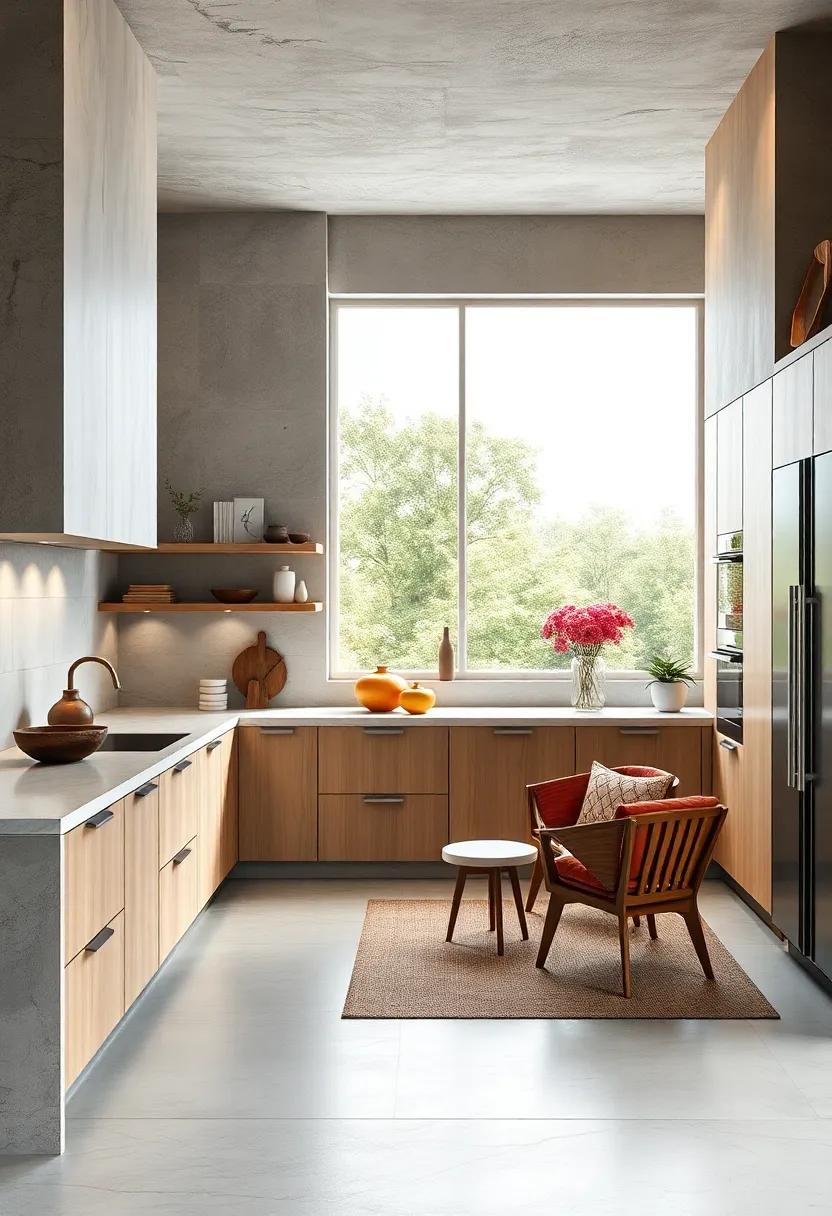
In a Japandi kitchen, achieving a harmonious aesthetic is crucial for enhancing the minimalist appeal. Matching cabinetry tones are essential for establishing a cohesive look. Opt for wood finishes that echo the natural elements typical of both Japanese and Scandinavian designs. Shades of soft oak, deep walnut, or brushed ash can create warmth while maintaining a clean and modern vibe. When selecting cabinetry, prioritize streamlined designs that feature integrated handles or push-to-open mechanisms, allowing the wood’s natural beauty to take center stage.
Seamless transitions between different kitchen zones can elevate the overall design and functionality. consider the following elements to create visual continuity:
- Open Shelving: Use the same wood tones for shelves as cabinetry to maintain harmony.
- Flooring: Choose a flooring material that complements the cabinetry; light-toned wood can enhance openness.
- Countertops: Select solid surfaces that match or contrast subtly with cabinetry, such as a white quartz paired with dark wood.
To visualize how these elements interact,here’s a simple breakdown:
| Zone | Recommended Finish |
|---|---|
| Cabinetry | Soft Oak |
| Shelves | Matching Soft Oak |
| Flooring | Natural Ash |
| Countertops | White Quartz |
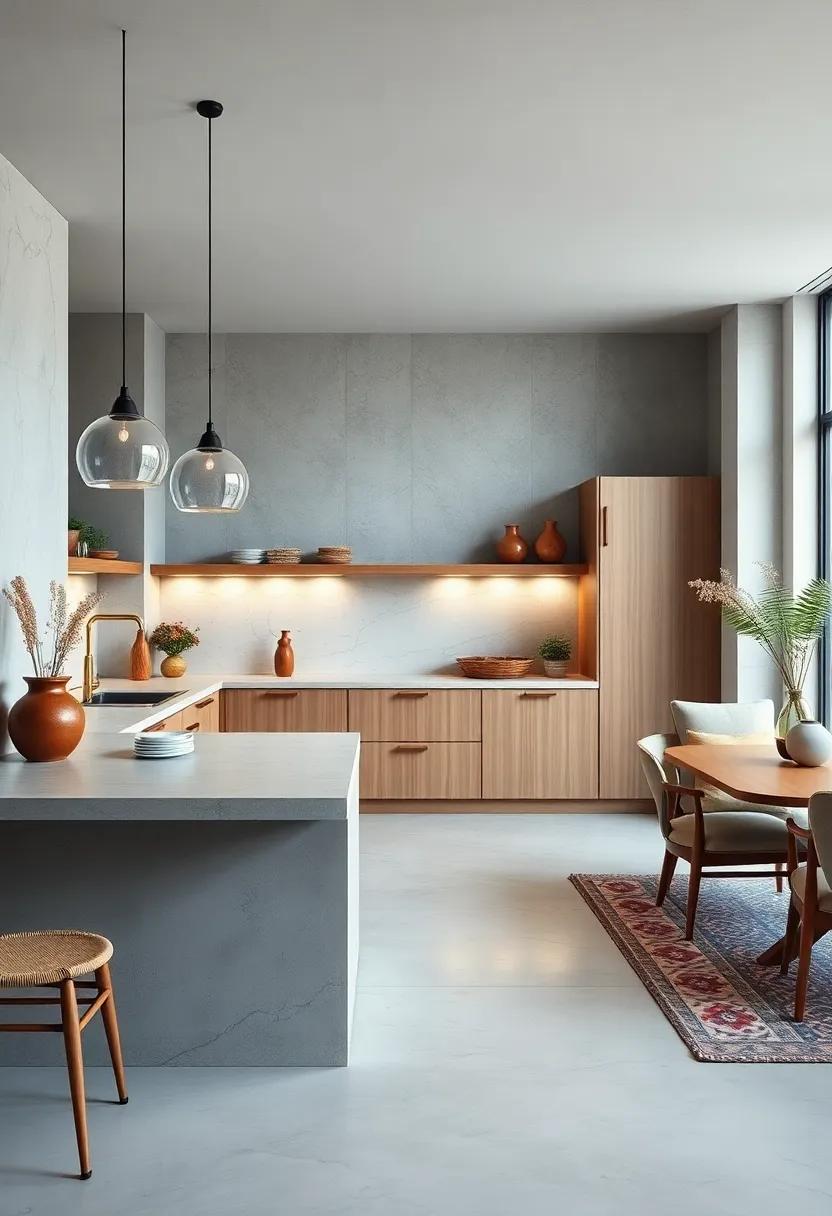
Encourage social interaction with an inviting breakfast bar that combines functionality with casual elegance
Infuse a sense of order with neatly organized spice racks and herb gardens, merging utility with beauty
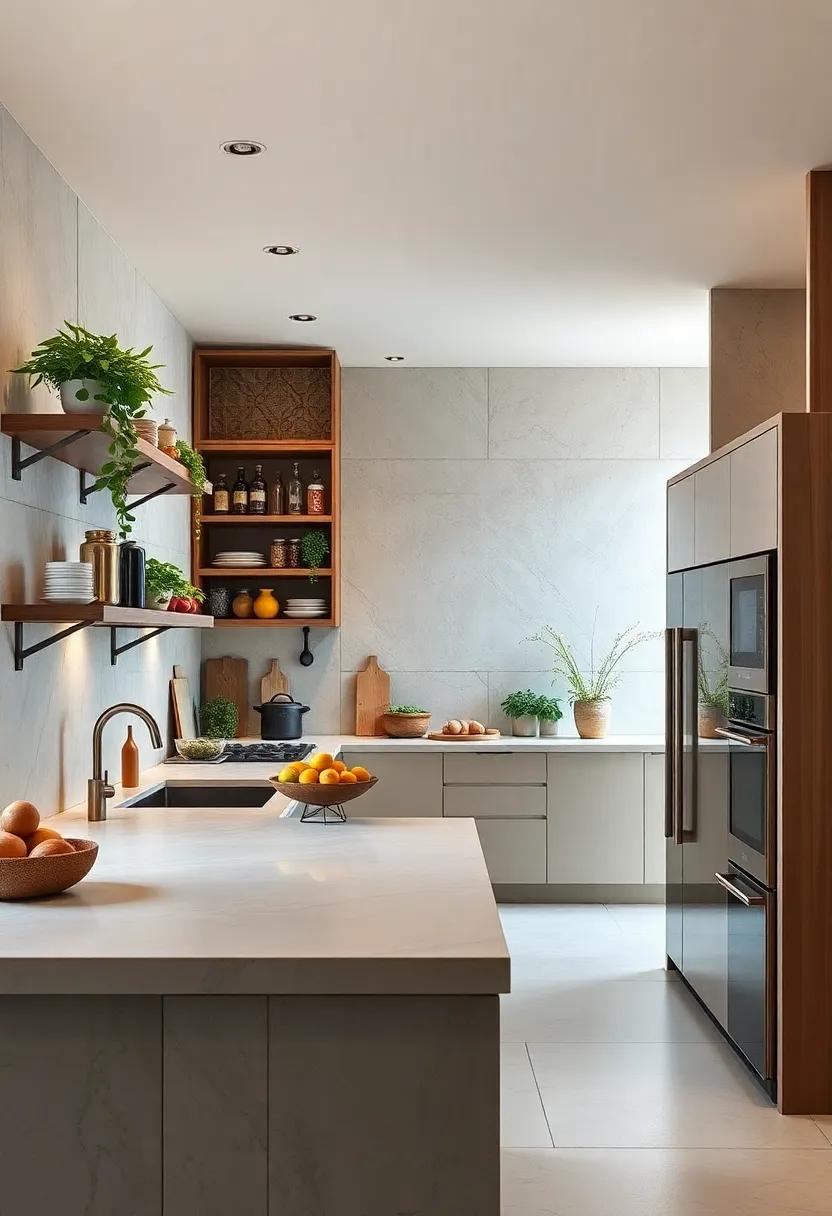
Elevate your kitchen space with meticulously arranged spice racks and vibrant herb gardens that serve both aesthetic and functional purposes. Imagine wall-mounted shelves showcasing your spice collection in clear glass jars, their rich colors popping against a neutral backdrop. This design approach not only keeps your seasonings easily accessible but also creates an artful display that enhances your kitchen’s minimalistic charm. Consider pairing your spice rack with small, stylish herb pots on a windowsill or countertop, planting favorites like basil and thyme for a touch of greenery that infuses your cooking with fresh flavors.
To create a harmonious blend of utility and beauty,explore various organizational methods. Choose racks made from sustainable materials like bamboo or reclaimed wood to reflect Japandi principles of simplicity and nature. opt for labels that are understated, potentially using elegant scripts or clear fonts. You might also implement tiered herb gardens to maximize space and sun exposure for each plant. The result is a serene culinary corner where preparation feels effortless, fostering a calm atmosphere where clean lines thrive in perfect order.
Layer lighting with ambient, task, and accent fixtures to enhance both functionality and the overall mood of the kitchen
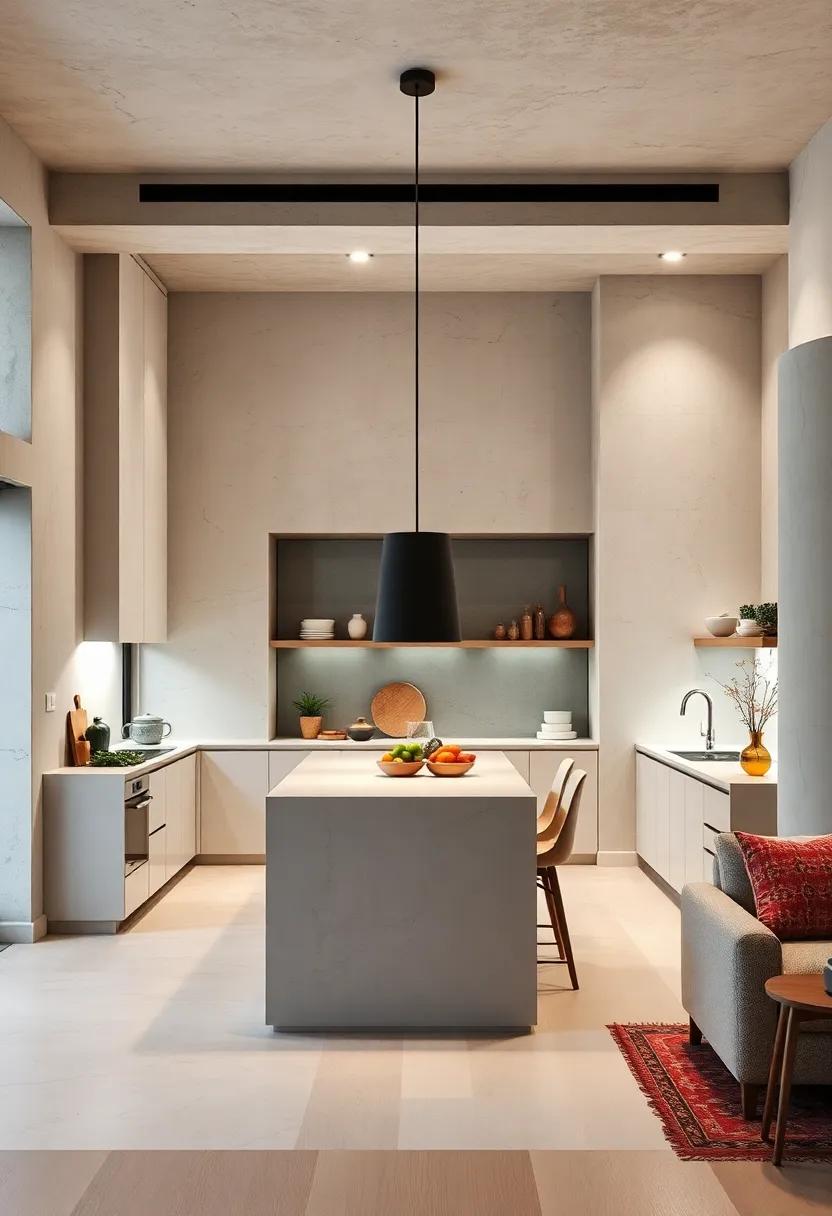
To achieve a harmonious atmosphere in your Japandi kitchen, it’s essential to layer your lighting thoughtfully. Consider incorporating ambient, task, and accent fixtures to create a balanced illumination that caters to both functionality and aesthetics. start with ambient lighting, ideally from overhead sources like recessed lights or minimalist pendant lamps, which can provide a warm, inviting glow that envelops the entire space. Complement this base layer with task lighting, such as under-cabinet LEDs or articulated wall sconces positioned over work areas. This will not only enhance visibility during food preparation but also highlight the beauty of your countertops or backsplash materials.
For an artistic touch, integrate accent lighting to draw attention to specific features, such as a statement piece of pottery or a carefully curated plant display. Use the soft glow of spotlights or LED strips to create a focal point on shelves or within cabinetry. Not only does this layering technique elevate the overall mood of the kitchen, but it also ensures a practical approach to lighting that meets your daily needs. Pair your lighting design with natural materials and neutral colors, and watch how the interplay of light and shadows enhances the clean lines and minimalist elegance fundamental to Japandi aesthetics.
Conclude with a touch of personalization, perhaps through a well-placed family photo or a thoughtfully arranged cookbook collection
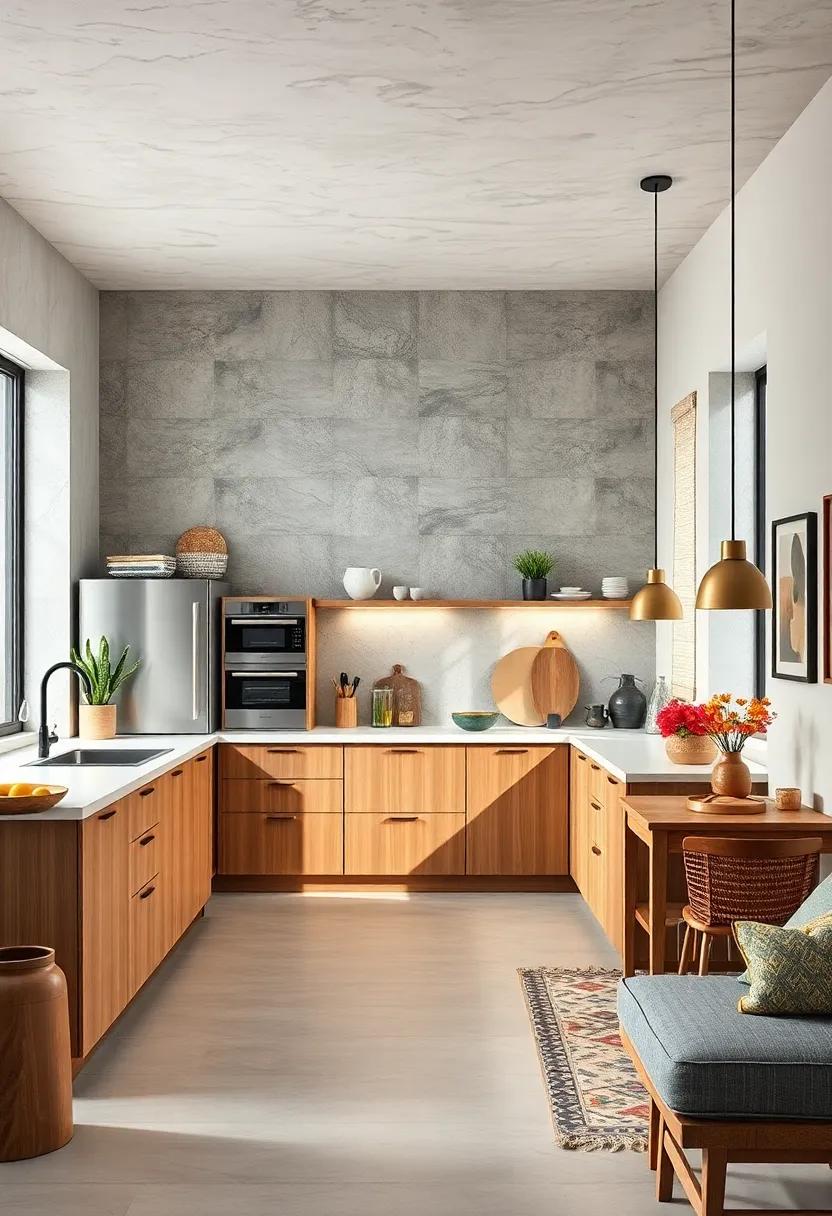
To truly personalize your Japandi kitchen, consider the power of visual memories and culinary traditions. Incorporating a family photo can bring warmth and a sense of history to the minimalist aesthetics. A beautifully framed picture—perhaps a candid moment of shared cooking or a festive gathering—can serve as a focal point on a subtle wall shelf. Position it near your cooking zone, where it not only enhances the décor but also inspires moments of togetherness as you whip up a meal. Use frames with natural wood finishes or sleek metal to maintain that harmonious blend of Scandinavian and Japanese design principles.
Another excellent way to reflect your personality is through a thoughtfully curated cookbook collection. Display your favorite titles on open shelves or a dedicated kitchen cart. Arrange them in a manner that highlights their beauty—organize them by color or size, or stack them horizontally with a small potted plant or kitchen tools on top for a layered look. This not only adds a personal touch but also invites creativity in your cooking space. To help you select the perfect cookbooks, here’s a simple reference table:
| Cookbook Title | Theme | highlight |
|---|---|---|
| The Minimalist Kitchen | Efficiency | Quick, easy recipes |
| Japanese Cooking: A Simple Art | Tradition | Authentic recipes and techniques |
| Plenty | Vegetarian | Vibrant vegetable dishes |
Insights and Conclusions
As we conclude our journey through these 29 Japandi kitchen inspirations, it’s clear that this beautiful design philosophy brilliantly fuses the tranquility of Japanese aesthetics with the warmth of Scandinavian simplicity. Each kitchen showcased reflects a commitment to clean lines, functional elegance, and a harmonious balance between form and function.Whether you’re considering a complete renovation or simply looking to refresh your space, let these inspirations guide you toward creating a kitchen that is not only visually appealing but also serves as a sanctuary for culinary creativity and connection. The essence of Japandi invites you to embrace minimalism, allowing your surroundings to breathe and your moments to resonate.
So take a step back, assess your own space, and ask yourself: how can you invite the serenity and sophistication of Japandi into your home? The possibilities are endless, and the journey toward a more mindful kitchen begins now. Happy decorating!
As an Amazon Associate I earn from qualifying purchases.